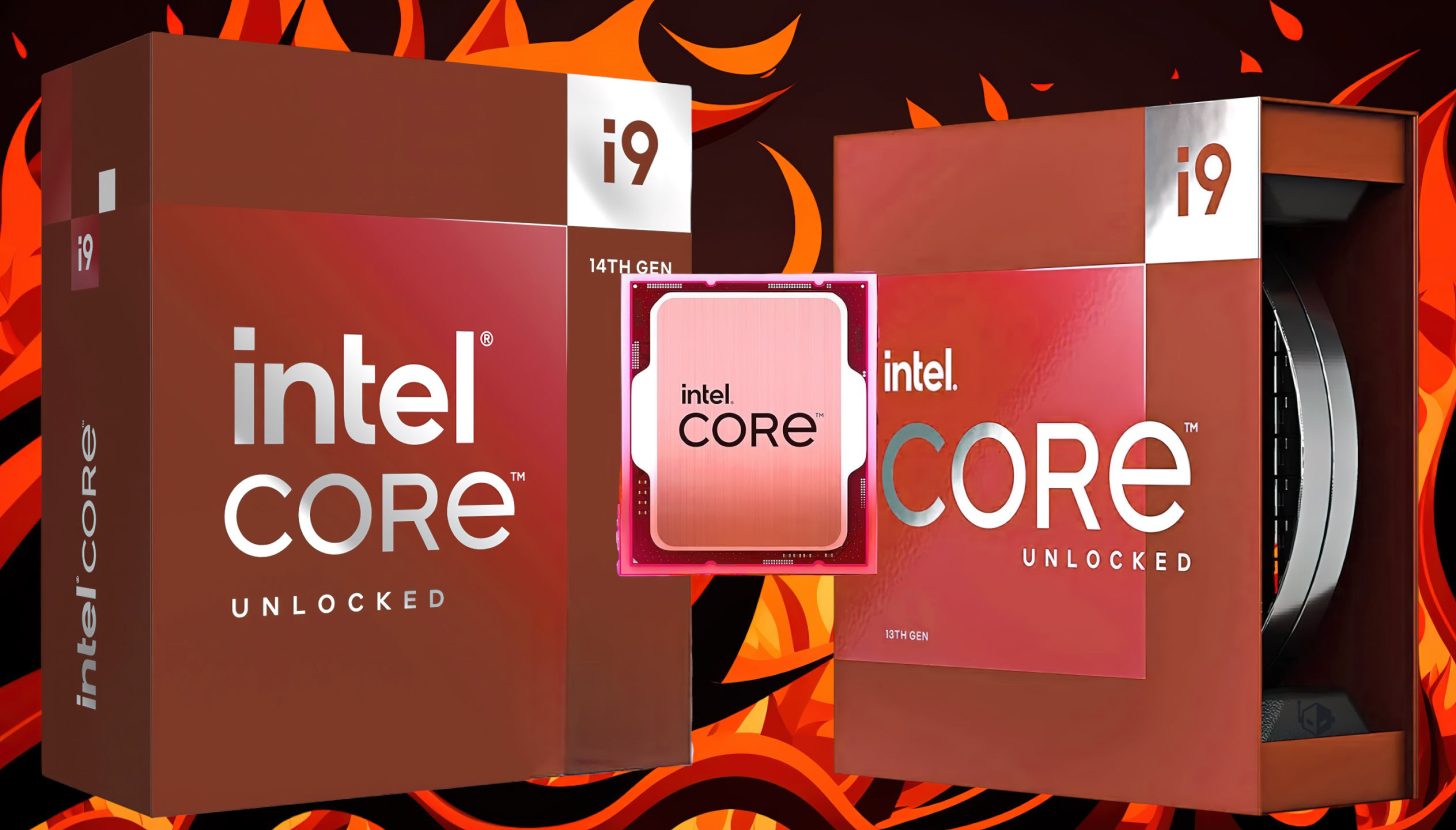
Used Intel Raptor Lake CPUs look like bargains right now, but there’s a big catch. The 13th Gen and 14th Gen lineup has a well-documented history of stability problems, and a recent real-world test shows why you should think twice before snapping up one of these processors on the cheap.
Many PC builders are familiar with the saga: as the Raptor Lake series approached end-of-life, reports of instability under heavy workloads accelerated. Users saw voltage fluctuations, thermal issues, and crashes serious enough to trigger widespread returns and replacements. Even with expanded RMA options, not everyone found relief.
To see how those issues play out in today’s used market, YouTuber Iceberg Tech picked up a second-hand Core i9-13900K for €240 from CeX, a retailer known for pre-owned tech. That’s less than half its original €550 MSRP—a tempting deal on paper. But minutes into a CPU‑Z benchmark, the system threw a black screen crash commonly associated with voltage instability. Multiple BIOS tweaks and power limit adjustments didn’t fix it. The takeaway from this hands-on test mirrors what many enthusiasts have observed: bargain pricing doesn’t erase underlying reliability concerns.
That’s the uncomfortable reality behind the “throwaway” prices we’re seeing on 13th Gen and 14th Gen Intel CPUs. On raw performance, these chips are still plenty capable, but persistent stability problems have weighed down their value, both new and used. And for buyers hoping the next generation would make the decision easier, sentiment around Arrow Lake hasn’t universally reassured long-time Intel fans either.
If you’re shopping the used CPU market right now, especially for a Core i9-13900K or other Raptor Lake parts, it’s wise to hold off unless you’re prepared for potential troubleshooting—or walk away if issues arise. At a minimum, insist on a solid return window, test immediately with extended stress workloads, and be ready to pivot if you encounter voltage or thermal instability that BIOS tuning can’t resolve.
Bottom line: those cut-rate prices are appealing, but for most builders, it’s safer to avoid 13th Gen and 14th Gen Raptor Lake CPUs for now, whether used or new, until there’s a clear, reliable fix for the stability concerns.