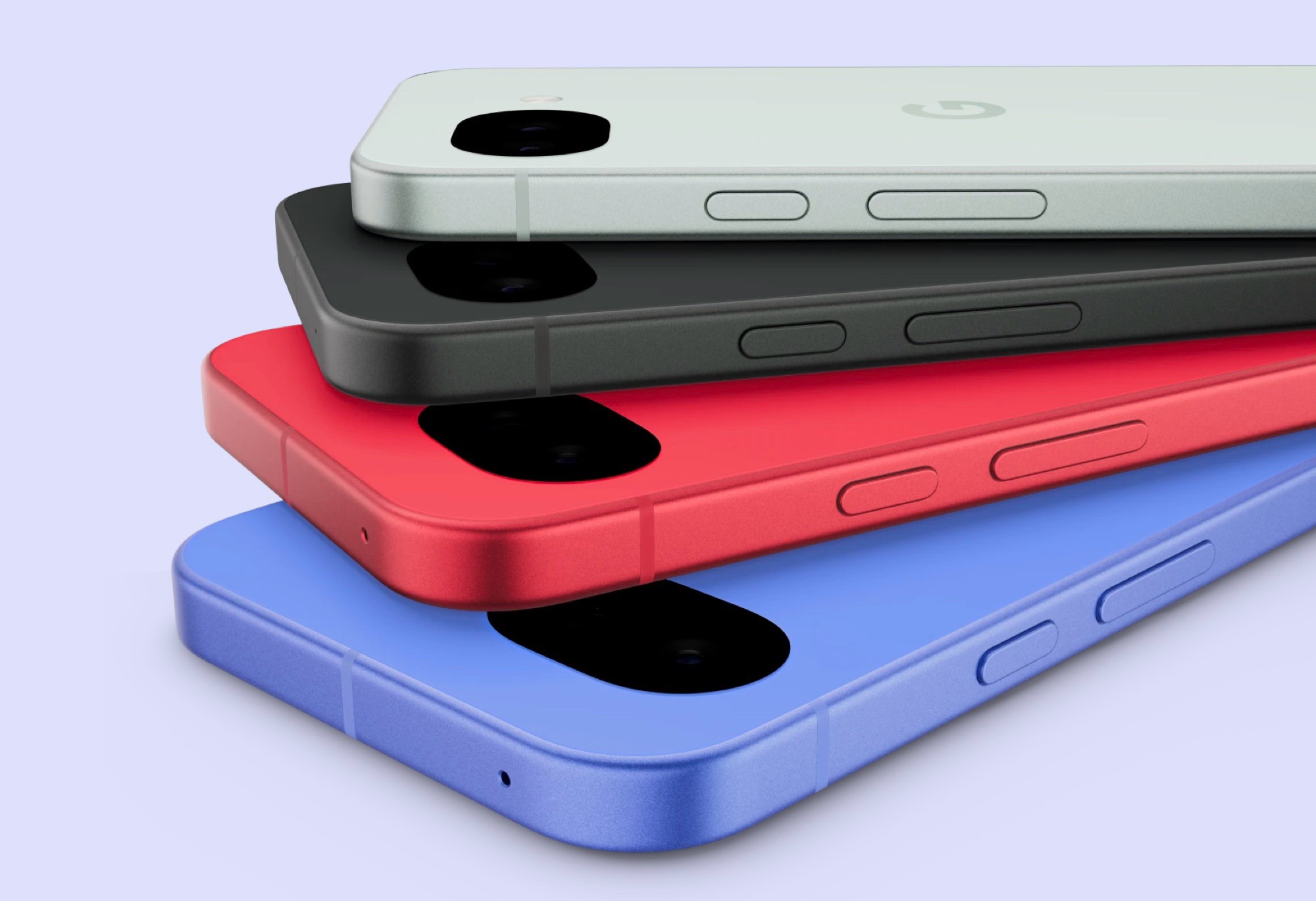
Fresh camera benchmark results paint a clear picture of what the Google Pixel 10a does well—and where it still falls short when compared with some of Google’s own earlier models.
In overall performance, the Pixel 10a can’t quite keep pace with the Pixel 8a in the same type of testing, mainly because image quality drops faster once the lights go down. The biggest hit comes from clearly visible image noise in low-light scenes, which isn’t too surprising given the phone’s smaller camera sensors. In darker environments, the camera’s auto-exposure and white balance can be inconsistent, sometimes producing shots that look dim, off-color, or less natural than expected.
Video is another area where the Pixel 10a shows its limits. It captures comparatively less fine detail, especially indoors or at night, and autofocus doesn’t always lock on correctly. That can lead to clips where the subject looks slightly soft or the focus “hunts” before settling.
That said, the Pixel 10a still delivers strong value for its class and manages to outperform several well-known phones in the same scoring environment, including the iPhone 14, Google Pixel 6, and Samsung Galaxy S23. In good lighting, the camera system is far more confident: exposure and white balance generally behave well in daylight, and the phone can capture photos and videos with a relatively wide dynamic range—helpful for keeping detail in both bright skies and shaded areas.
Portrait mode is a standout, working exactly as you’d hope, with reliable subject separation and a pleasing background blur effect.
The one limitation that’s impossible to ignore is zoom. Since the Pixel 10a doesn’t include a telephoto camera, its telephoto score is predictably low at 25 points. For context, the top-performing phones in this category can reach around 140 points, so anyone who frequently relies on optically sharp zoom shots may find the Pixel 10a less satisfying.
Overall, the Pixel 10a looks like a capable midrange camera phone for everyday shooting, particularly in daylight and portrait photos, while low-light photography, video detail, autofocus reliability, and true zoom performance remain the main trade-offs.