The Android smartphone market is more crowded than ever, and standing out has become expensive. Brands are pouring money into flashy marketing and headline-grabbing features, yet profits can still be thin. Now add a continuing DRAM shortage to the mix, along with rising NAND flash prices, and it’s easy to see why many phones are getting more expensive—and why buyers may be less eager to upgrade.
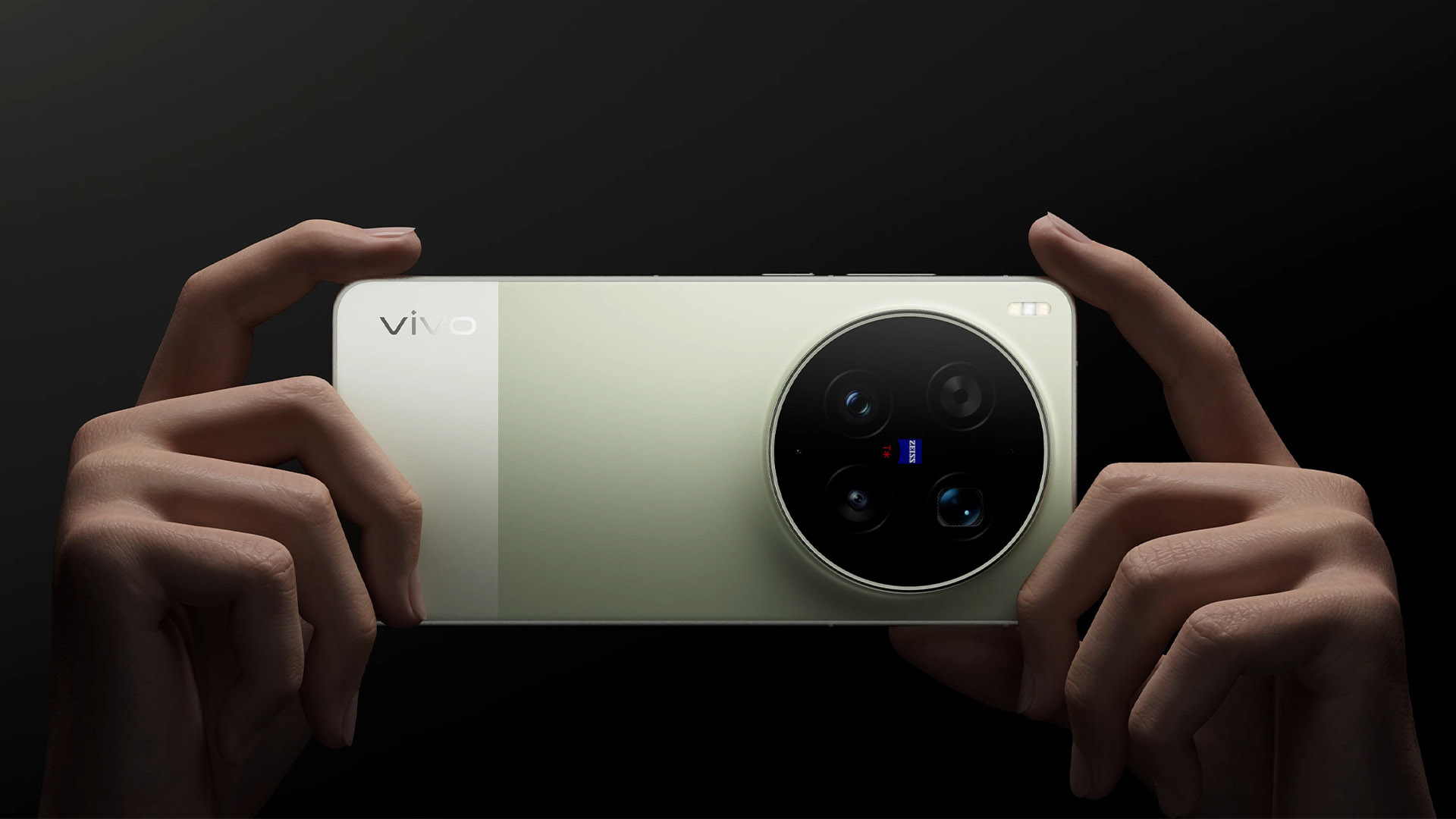
According to a well-known tipster, several smartphone makers are taking a hard look at where their money is going, and the conclusion is surprising: demand for ultra-high-end camera sensors may be cooling. Premium sensors cost significantly more than slightly lesser options, but in many real-world scenarios the difference in image quality isn’t dramatic enough to justify the extra expense—especially when shoppers are already facing higher device prices overall.
Instead of paying top dollar for flagship-grade sensors across the board, manufacturers are reportedly considering a shift toward more affordable camera hardware while putting more emphasis on computational photography. The idea is simple: hire more imaging engineers, improve camera algorithms, and make “non-flagship” sensors perform close to high-end units through smarter processing—particularly for common pain points like telephoto shots and low-light photography.
This change also reflects a bigger cost problem inside modern smartphones. Memory and storage are becoming a larger slice of the bill of materials, leaving less room for expensive extras. Another industry tipster has claimed that pairing next-generation LPDDR6 RAM with UFS 5.0 storage could cost more than a single top-tier flagship chipset. And with premium mobile processors rumored to be priced in the hundreds of dollars, something has to give. Cutting spending on top-end camera sensors becomes a logical way to protect margins without drastically hurting the user experience.
Of course, high-end sensors do bring real advantages on paper, such as larger physical sensor sizes and bigger pixels that can improve low-light performance and video capture. But smartphone photography today isn’t just about hardware specs—it’s increasingly defined by software. Some of the biggest names in the industry have already shown that you can reuse camera sensors across multiple generations and still deliver noticeable improvements by refining image processing, HDR, noise reduction, and zoom enhancement.
From a business standpoint, this strategy checks out. With memory and storage costs climbing and supply pressures continuing, manufacturers are incentivized to optimize what they can control. Better algorithms can help close the gap between mid-tier and premium camera sensors, letting brands manage rising component costs while still delivering strong camera performance—something that remains one of the biggest factors people care about when buying a new Android phone.