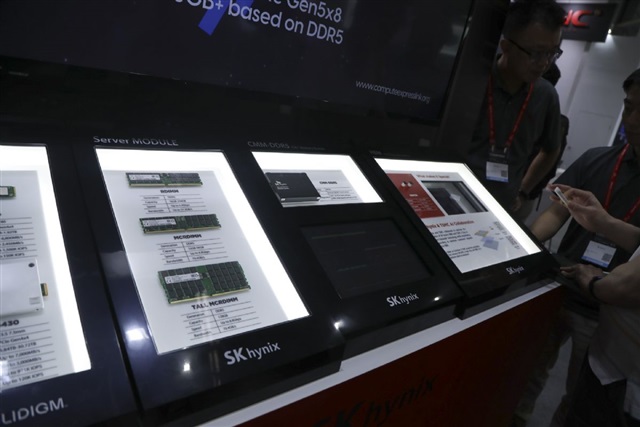
A fresh wave of AI-driven data center expansion is reshaping the global memory market, and the impact is increasingly clear: DRAM prices are expected to climb sharply in the second quarter of 2026, with industry watchers warning of increases that could reach as high as 70%.
Unlike past memory booms that followed familiar supply-and-demand patterns, the current cycle is being described as a structural shortage. In short, demand isn’t just spiking temporarily—it’s becoming a sustained, long-term force. As more companies scale up AI training and inference infrastructure, data centers are consuming massive volumes of memory, keeping pressure on available supply and making it harder for the market to normalize.
One of the biggest signals of this imbalance is the growing disconnect between spot prices and contract prices. According to industry sources, the gap has widened to around 40% to 50%. Spot pricing often reacts faster to immediate market conditions, while contract pricing tends to move more gradually. When the gap becomes this large, it creates intense pressure on suppliers to adjust contract prices upward to catch up with real-time market levels.
That’s why memory suppliers are expected to pursue multiple rounds of contract price increases rather than a single adjustment. The goal is to narrow the spread between spot and contract rates, but with shortages deepening, the upward momentum in DRAM pricing may continue.
For buyers across the hardware ecosystem—especially those tied to AI servers and large-scale computing—this could mean higher procurement costs and tighter planning cycles through Q2 2026. More broadly, this DRAM price surge narrative underscores how AI infrastructure growth is now influencing core component markets in ways that look less like a normal cycle and more like a fundamental shift.