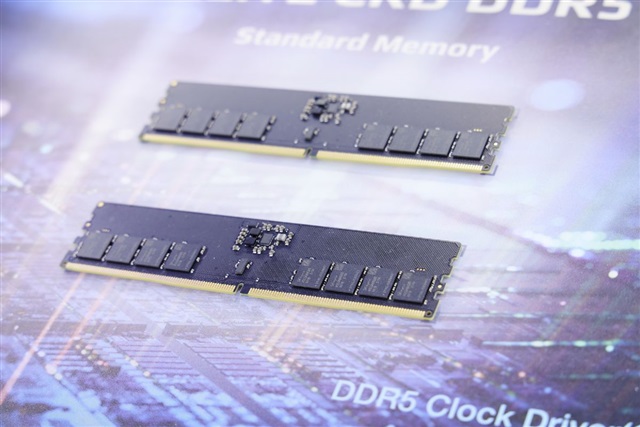
As 2026 gets underway, the global DRAM memory market is kicking off the year with something the tech industry doesn’t see often: a sharp, fast-moving price spike. After a long stretch where memory prices could swing wildly in both directions, the latest trend is clearly upward—and it’s being fueled by a combination of tight supply, surging AI demand, and a return of expectation-driven buying behaviors that look a lot like stockpiling.
DRAM prices began climbing in the second half of 2025, but the momentum has carried straight into early 2026, with gains that have reportedly outpaced most major commodities over the same period. In plain terms: the memory chips that power data centers, AI servers, PCs, graphics cards, and countless everyday devices are getting more expensive, and the market is reacting quickly.
A major driver behind the surge is the rapid expansion of AI infrastructure. Training and running large-scale AI models requires enormous computing resources, and that demand doesn’t stop at GPUs and processors—high-capacity memory is just as critical. As cloud providers and enterprise customers race to expand AI-ready hardware, DRAM demand rises in parallel. The result is a market where supply is being strained just as buyer urgency increases.
At the same time, supply conditions appear unusually tight. When availability feels limited, buyers often shift from “purchase as needed” to “secure inventory now,” especially if they expect prices to keep rising. That kind of expectation-driven buying can amplify market pressure: once companies start ordering earlier or in larger volumes to stay ahead of future hikes, available stock shrinks faster, and prices climb even more.
This is where the return of hoarding behavior becomes a key part of the story. Even the perception of an incoming shortage can push manufacturers, distributors, and large purchasers to increase orders beyond immediate needs. In the DRAM industry, that dynamic has historically been capable of accelerating price increases in a short window—particularly when demand from high-growth segments like AI is already stretching the supply chain.
For consumers and businesses alike, higher DRAM prices can eventually influence the cost of products that rely heavily on memory, from servers and workstations to everyday computing devices. Whether those increases show up quickly at retail often depends on existing inventory levels and how long the price spike persists. But when DRAM pricing rises broadly, it tends to ripple through the broader electronics ecosystem.
With AI investment still accelerating, and buyers clearly watching the market for signs of further tightening, the early-2026 DRAM surge is shaping up as one of the most notable memory market shifts in recent years. If supply remains constrained and expectations stay bullish, DRAM pricing could remain elevated—and the pressure to stockpile may keep intensifying rather than fading.