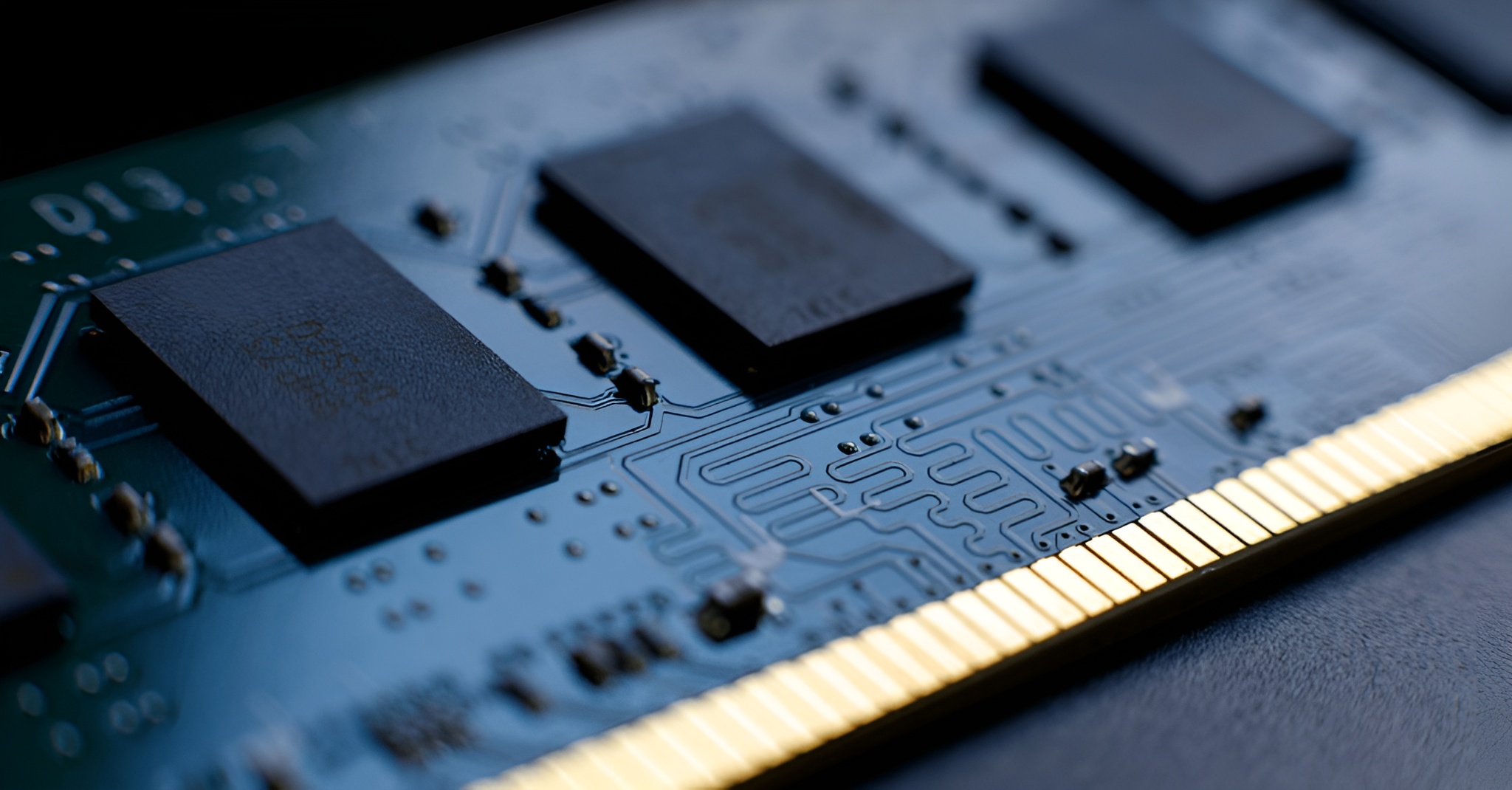
PC memory prices are poised to climb again as the world’s top DRAM manufacturers shift more capacity toward server-grade DDR5 and high-bandwidth memory designed for data centers and AI workloads. According to TrendForce, Samsung, SK Hynix, and Micron are prioritizing server DRAM and HBM production, leaving fewer chips for PC, mobile, and consumer markets. That imbalance is already pushing prices up across the board, and it’s not just the latest modules that are affected.
TrendForce forecasts that conventional DRAM prices will rise by 8–13% quarter over quarter in Q4 2025. When HBM is factored in, the increase could reach 13–18%. Both DDR4 and DDR5 for PCs are expected to get more expensive, and the same trend is set to hit mobile memory, including LPDDR4X and LPDDR5X. LPDDR4X, in particular, is projected to jump around 10% QoQ in Q4 2025, while the extent of the LPDDR5X increase is still unclear.
The pricing pressure isn’t just about manufacturing priorities. Weaker PC sales in Q4 2025 mean OEMs are trimming orders, which further reduces leverage on pricing. Meanwhile, cloud service providers in the U.S. and other regions are accelerating server builds and could even pull DRAM purchases forward into early Q4, tightening supply just as PC makers step back. With more wafers earmarked for server DDR5 and HBM, desktop and laptop memory is left competing for a smaller slice of production.
Looking ahead, there’s added uncertainty if suppliers pivot more aggressively to HBM4 in the first half of 2026. Such a move would likely restrict DDR5 availability for PCs even further, extending the period of elevated prices.
Graphics memory is in the crosshairs too. GDDR6 and GDDR7, used across current-generation GPUs, are expected to feel the squeeze. GDDR7 powers cards such as the RTX 6000 and GeForce RTX 50 series, while the Radeon RX 7000 family still relies on GDDR6. Supply of GDDR6 is said to be tighter than GDDR7, which could lead to faster price increases for GDDR6-based products.
What this means for buyers and builders:
– If you’re planning a PC upgrade with DDR4 or DDR5, consider moving sooner rather than later.
– Keep an eye on seasonal promotions; sales may help offset quarter-over-quarter increases.
– Laptop shoppers should expect higher configurations with LPDDR4X or LPDDR5X to carry a premium.
– GPU pricing could reflect memory cost pressures, especially on models using GDDR6.
Bottom line: demand from servers and AI is reshaping the DRAM market. With production tilting toward server DDR5 and HBM—and a possible shift to HBM4 on the horizon—PC and mobile memory are set for tighter supply and higher prices through late 2025, with ripple effects potentially extending into 2026.