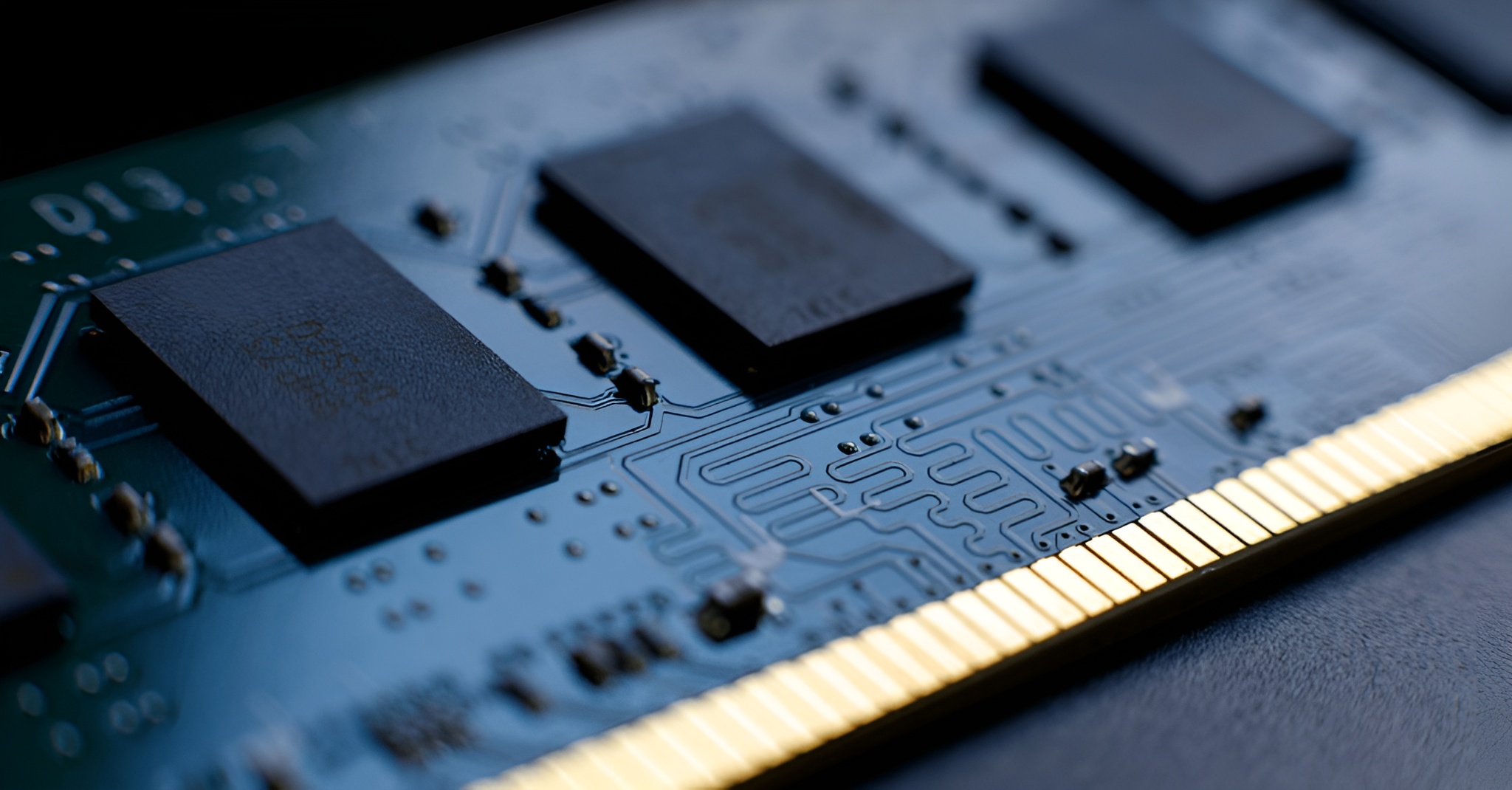
The DRAM industry finds itself bracing for another round of uncertainty as Samsung gears up to implement a global price hike. Both Samsung and Micron are poised to increase the prices on DRAM and NAND products, making consumer memory more expensive for buyers.
This price adjustment comes at an inconvenient time for consumers already dealing with market volatility linked to trade policies and tariffs. Companies are attempting to outmaneuver potential tax implications by importing goods in substantial quantities upfront. According to Korean news sources, Samsung and its competitor Micron are both ramping up prices in response to burgeoning demand in the semiconductor sector.
Following the economic slowdown triggered by the COVID-19 pandemic, the DRAM industry has experienced a revival of sorts. Previously, the demand for DRAM plummeted, leading to sizable financial losses for Samsung. However, the dynamic has shifted drastically with an upswing in demand for DRAM products, primarily traced back to stockpiling by consumers. As a result, manufacturers, including Samsung, are seizing this opportunity to elevate prices.
Data from DRAMeXchange highlights a notable price increase, with DDR5 memory modules climbing by as much as 12%, driven largely by high-performance computing servers. Meanwhile, NAND prices have jumped 9%. This surge in demand is not coming predominantly from the consumer PC market. Instead, it’s the AI industry fueling the upswing.
With Samsung and Micron’s current pricing strategy, further price hikes are likely on the horizon, which doesn’t bode well for consumer markets. For consumers eyeing RAM for personal computers, now might be an ideal time to purchase, especially in light of potential price increases due to trade uncertainties and tariffs. The consumer PC market is expected to feel the sting of these rising costs in the months to come.