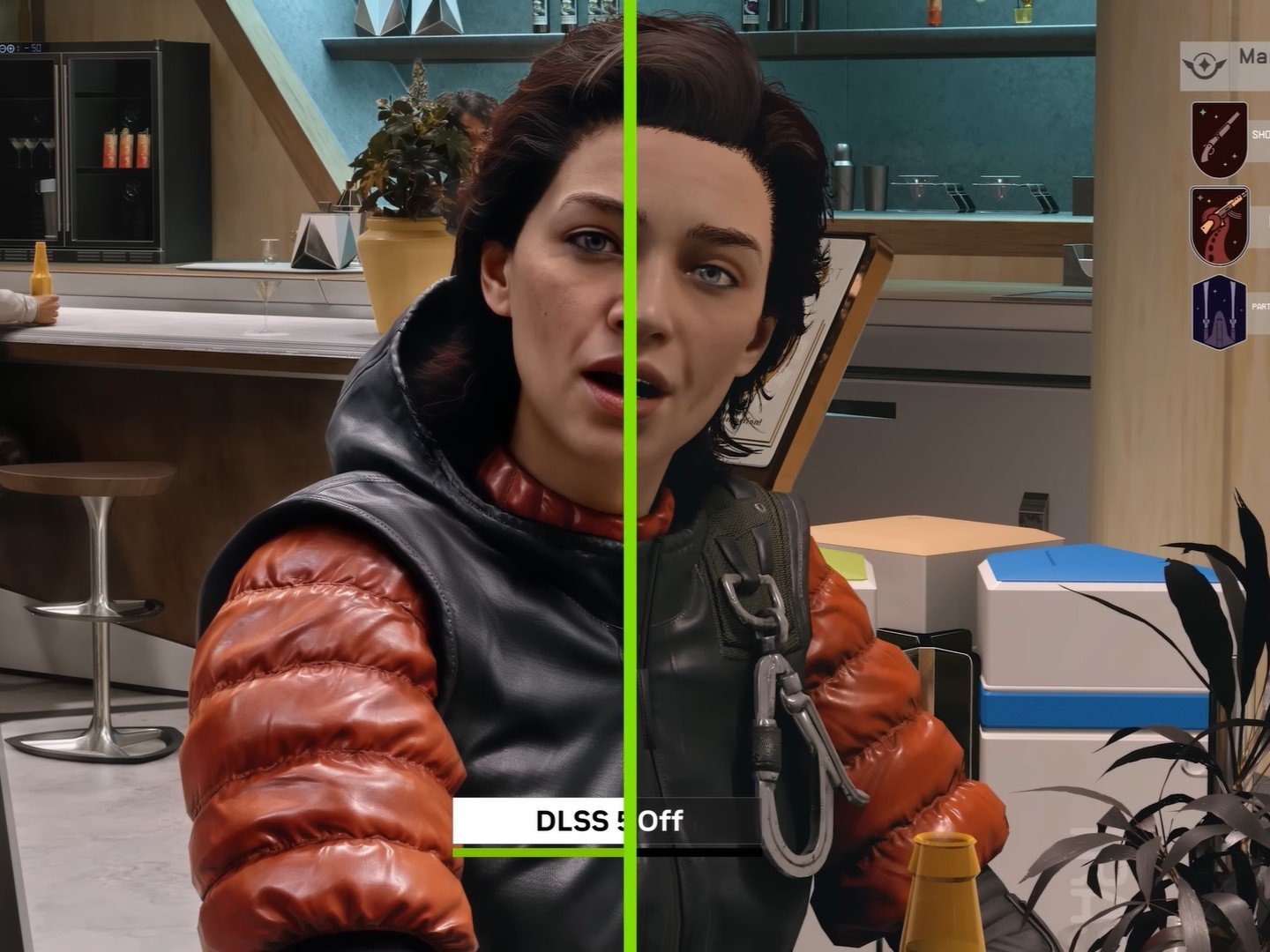
Nvidia’s DLSS 5 is already sparking a heated debate in the gaming community, and now one of the most recognized voices in graphics analysis is pushing back on what the technology is doing to games. According to Digital Foundry’s Alex Battaglia, DLSS 5 isn’t merely polishing visuals or improving lighting—it can end up reshaping the actual creative intent of a scene, including how characters look.
The controversy accelerated after DLSS 5 was revealed and quickly drew strong backlash. While criticism was aimed at Nvidia, it also spilled over toward Digital Foundry following the group’s early, very positive hands-on coverage. In response, the outlet later acknowledged that their first look didn’t fully capture DLSS 5’s downsides, and they addressed questions from viewers to clarify what they’d learned since.
Battaglia’s main concern is blunt: DLSS 5 appears to “trample on artistic vision” in an unusually aggressive way. He points to an especially striking example involving Grace from Resident Evil Requiem, where enabling DLSS 5 can make her look like a different person altogether, with noticeably altered facial features. For players and creators alike, that crosses a line from “enhancement” into “replacement,” where the AI’s output competes with the original art rather than respecting it.
On the technical side, Battaglia suggests the issue may be rooted in the kind of data DLSS 5 can access. As explained, it may be working primarily with 2D information such as motion vectors instead of richer, specialized inputs like 3D face scan data tied to a character model. If that’s the case, the system may be “averaging” results based on training and inference behavior, producing a smoothed, synthetic look that many gamers have begun to associate with unwanted “AI slop.” The end result is not just a small deviation—it can look like the AI is inventing details the artists never authored.
But the debate doesn’t stop at image quality. Battaglia also frames DLSS 5’s ability to radically change characters and environments as an ethical concern. Nvidia has said it received permission from studios for DLSS 5 demos. However, other reporting indicates some developers—specifically teams connected to Ubisoft and Capcom—may not have been fully aware of how dramatic the visual changes could be. If true, that would intensify concerns about consent, transparency, and who ultimately controls how a game’s final presentation is perceived by the public.
As DLSS 5 discussions continue, the core question is becoming clearer: should upscaling and AI-driven rendering be allowed to reinterpret a game’s art direction, or must these tools be constrained to preserve the original look and identity of characters, lighting, and environments? For now, Battaglia’s criticism adds momentum to calls for stronger safeguards, improved developer controls, and clearer disclosure about what DLSS 5 is actually changing when players flip that switch.