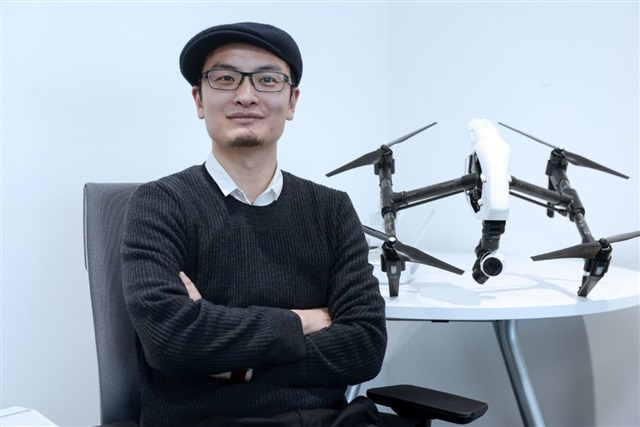
SZ DJI Technology founder Frank Wang has broken a decade-long silence, giving his first interview to Chinese online media in 10 years and offering a rare look at where the world’s best-known drone maker is headed next. In the conversation, Wang described a major evolution in DJI’s strategy: the company is no longer relying solely on a product-driven playbook. Instead, it’s moving toward a dual focus that balances standout products with deeper, long-term capabilities designed to keep DJI ahead in imaging and aerial technology.
The timing is notable. DJI has grown from a drone pioneer into a global force in consumer and professional imaging, with products used widely by filmmakers, photographers, industrial inspectors, public safety teams, and everyday creators. Wang’s comments suggest DJI is positioning itself for a bigger mission than staying on top of drones—it wants to become a long-term leader in imaging technology overall.
According to the interview, DJI has set a massive financial milestone, aiming to surpass the US$11 billion mark. But the bigger headline may be the company’s ambition beyond revenue: Wang indicated DJI is targeting imaging leadership within the next decade. That goal points to a future where DJI’s core strengths—stabilization, cameras, intelligent flight systems, and software—extend further into how people capture and work with visual data.
Wang’s remarks also highlight a subtle but important shift in how DJI thinks about growth. A purely product-first approach can win fast in competitive consumer markets, but it can also make a company vulnerable to copycats and short release cycles. By pairing product excellence with broader strategic building blocks—think deeper research, stronger supply chain resilience, and long-range investment in imaging tech—DJI appears to be preparing for an era where innovation is judged not just by the next drone launch, but by the company’s ability to define the category itself.
For consumers and professionals watching DJI closely, this could mean the next wave of DJI devices will be shaped by a wider “imaging ecosystem” approach. Drones may remain central, but the company’s vision suggests continued expansion of imaging performance, smarter automation, and more refined creative tools—developments aimed at keeping DJI’s cameras and aerial platforms at the front of the market for years to come.
Wang’s first public interview in a decade doesn’t just offer a glimpse into DJI’s internal thinking—it signals a company that believes its next chapter will be bigger than drones alone. With aggressive growth targets and a 10-year push toward imaging leadership, DJI is making it clear it intends to set the pace for the future of visual technology.


