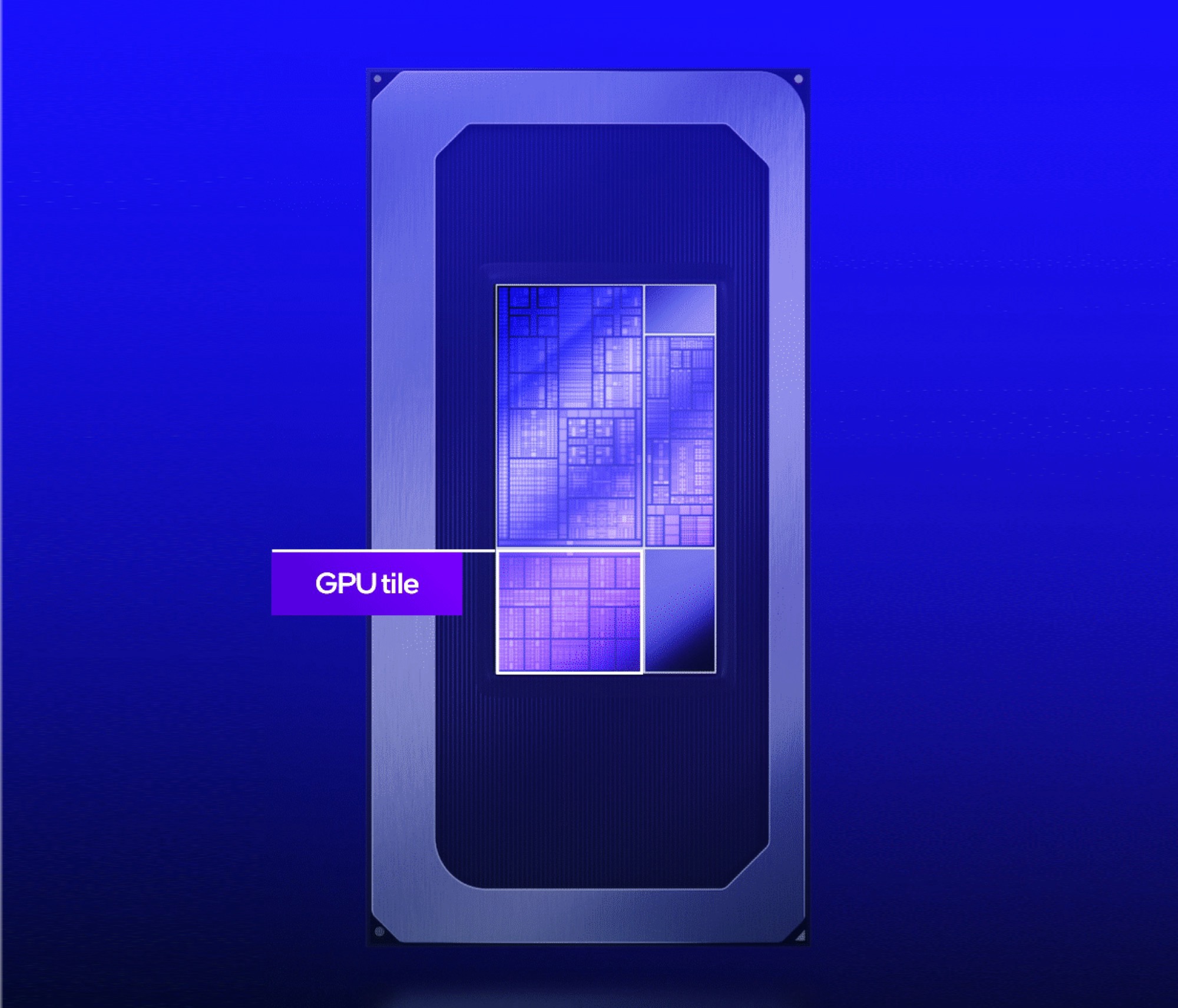
Interest in Intel’s latest integrated graphics, the Arc B390, has surged after CES 2026 and the first wave of laptop reviews. A lot of the buzz has been fueled by eye-catching claims that Arc B390 performance can match—or even beat—the NVIDIA GeForce RTX 4050. Those headlines aren’t completely baseless, but the real-world story is more nuanced once you compare actual retail laptops and test more than just synthetic benchmarks.
To get a clearer picture, this comparison looks at two off-the-shelf configurations of the Dell XPS 14: a 2026 model using a Core Ultra X7 358H with Intel Arc B390 integrated graphics, and a 2024 Dell XPS 14 built with a GeForce RTX 4050. On paper, this is an ideal matchup because both systems come from the same laptop family, helping reduce variables like chassis design and display options that can heavily influence performance.
In synthetic tests such as 3DMark, the Arc B390-equipped Dell XPS 14 comes out swinging. Scores can land roughly 30 to 40 percent higher than the RTX 4050 version, suggesting a sizeable leap in raw graphics throughput. If you’ve seen “Arc B390 beats RTX 4050” headlines, these types of 3DMark-style results are likely where that narrative started.
Gaming performance is where expectations should be tempered. In real games, the advantage shrinks dramatically. Titles like Cyberpunk 2077 and Baldur’s Gate 3 typically run only about 5 to 15 percent faster on the Arc B390 XPS 14 compared with the RTX 4050 XPS 14. And it’s not a clean sweep—older or differently optimized games such as GTA V and X-Plane can actually favor the RTX 4050 model.
There’s also a bigger context many quick comparisons leave out: RTX 4050 performance varies wildly depending on the laptop. Many RTX 4050 machines come in thicker, more performance-oriented designs with higher power limits and better cooling. Those systems can outperform the Arc B390 XPS 14 by a large margin simply because they’re allowed to run the GPU harder for longer. Add upscaling and frame-generation ecosystems into the equation—and the gap can widen further in favor of NVIDIA, depending on settings and game support.
Outside of gaming, content creation workloads continue to lean toward the RTX 4050 even more strongly. In Blender, for example, the RTX 4050 can deliver more than double the performance when using NVIDIA’s OptiX compared with Intel’s OneAPI path. For 3D rendering, GPU-accelerated workflows, and creator-focused tasks, the RTX 4050 remains the safer pick if speed is the priority.
Where Intel’s Arc B390 truly stands out is efficiency. The performance-per-watt story is compelling, especially for thin-and-light laptops where heat and battery life matter. In one example, Cyberpunk 2077 on the Arc B390 XPS 14 can draw around 52 W, while a more power-hungry RTX 4050 laptop like the Lenovo Yoga Pro 7 14 can consume roughly 95 W. Despite that big power gap, the NVIDIA system’s frame rate might only be about 20 percent higher before enabling any AI-based enhancements. That makes Arc B390 an attractive option for buyers who care about cooler operation, quieter fans, and better energy efficiency without giving up much gaming performance.
The takeaway is simple: Intel Arc B390 can look like an RTX 4050 killer in synthetic benchmarks, but real-world gaming results are much closer, and creator workloads still heavily favor NVIDIA. If you want strong efficiency in a premium thin-and-light laptop, Arc B390 is genuinely impressive. If your priority is consistently higher game performance across a wide range of laptops—or faster rendering and GPU-accelerated creation—the RTX 4050 still has clear advantages.