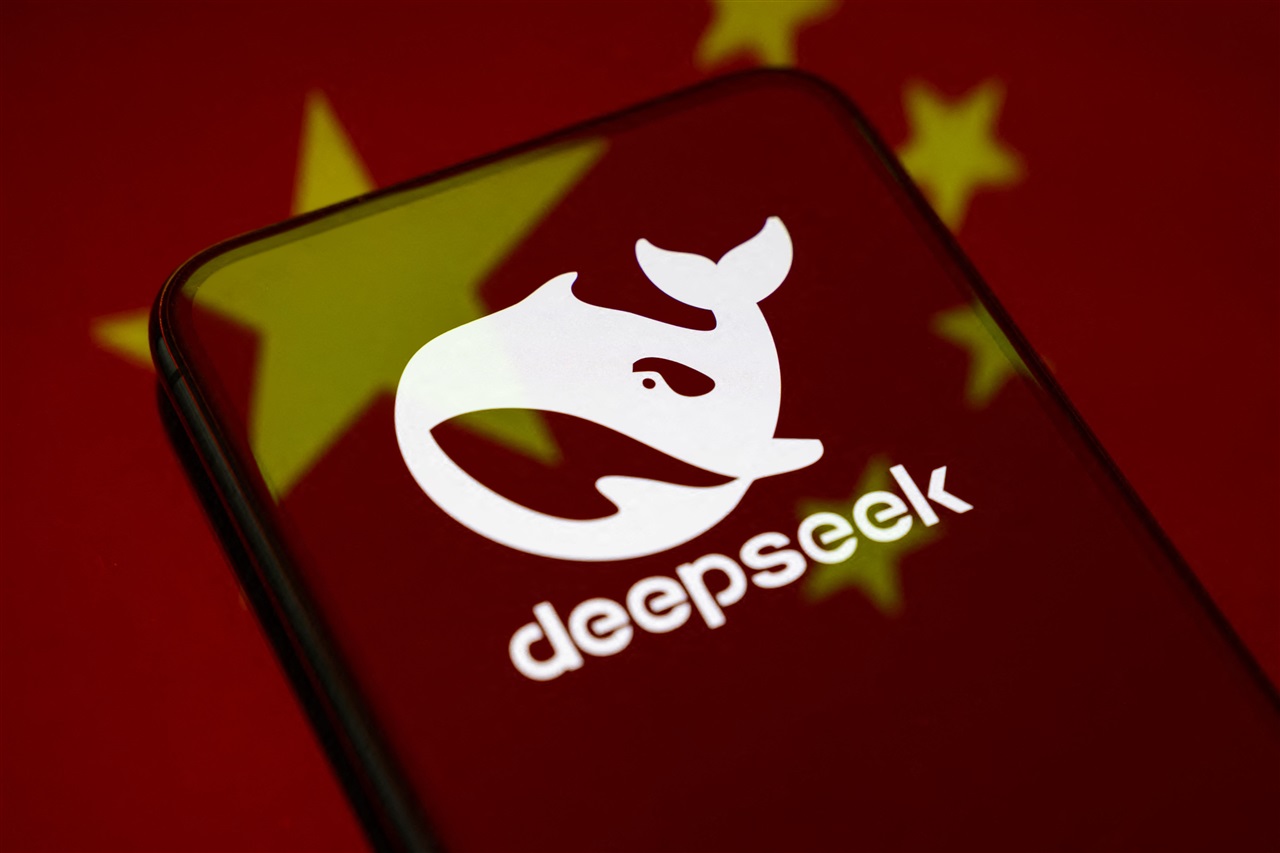
DeepSeek reportedly plans massive Huawei chip order for 1 GW AI data center in Inner Mongolia
DeepSeek is reportedly preparing to buy around 160,000 Huawei chips for a major artificial intelligence data center project in Inner Mongolia, a move that could become one of the largest Huawei AI chip deployments so far. The facility, said to have a planned power capacity of 1 gigawatt, highlights how rapidly China is expanding its domestic AI infrastructure while reducing dependence on Nvidia hardware.
The reported order is significant not only because of its size, but also because of what it represents for China’s technology ambitions. AI companies need enormous computing power to train and run large language models, and high-end chips remain one of the most critical resources in the global AI race. For years, Nvidia GPUs have dominated this market, but export restrictions and supply limitations have pushed Chinese firms to look for local alternatives.
Huawei has emerged as one of the most important domestic chip suppliers in China’s AI ecosystem. Its Ascend series of processors has been positioned as a homegrown option for companies building large-scale AI computing clusters. If DeepSeek moves forward with the purchase, the deployment could become a major test of Huawei’s ability to support demanding AI workloads at massive scale.
The Inner Mongolia location is also notable. The region has become attractive for large data center projects due to available land, cooler climate conditions, and access to energy resources. A 1 GW data center would require an enormous power supply, placing it among the more ambitious AI infrastructure projects currently being developed in China.
DeepSeek’s reported plan comes at a time when China is working to strengthen its domestic semiconductor supply chain. Authorities have been encouraging local technology firms to adopt Chinese-made chips wherever possible, especially in strategic sectors such as artificial intelligence, cloud computing, and high-performance computing. However, the transition away from foreign hardware is not simple.
One major challenge remains production capacity. While Huawei’s AI chips are increasingly important, China still faces limits in advanced semiconductor manufacturing. Building enough high-performance chips to support the country’s rapidly growing AI industry remains difficult, particularly as demand from cloud providers, research labs, and model developers continues to rise.
Even so, an order of 160,000 chips would send a strong signal to the market. It would suggest that leading Chinese AI firms are willing to build large clusters around domestic hardware, even as they continue to optimize software and infrastructure for maximum performance. This could accelerate the development of China’s own AI hardware ecosystem and reduce reliance on imported components over time.
For DeepSeek, the data center could provide the computing foundation needed to train more advanced AI models and support larger-scale services. As competition in artificial intelligence intensifies, access to dedicated computing resources has become a major advantage. Companies that control their own large AI clusters can move faster, reduce bottlenecks, and scale products more efficiently.
The reported Huawei chip purchase also reflects a broader shift in the global AI market. Computing power is now a strategic asset, and governments are paying close attention to where chips are made, who controls them, and how they are used. China’s push for AI self-sufficiency is likely to continue, especially as demand for large language models, enterprise AI tools, and cloud-based AI services keeps growing.
If completed, DeepSeek’s Inner Mongolia data center could become a landmark project for China’s AI infrastructure strategy. It would combine massive energy capacity, a large domestic chip cluster, and the ambitions of one of the country’s rising AI players. While questions remain about manufacturing supply, performance, and deployment timelines, the project underscores a clear trend: China is moving quickly to build an AI computing ecosystem that relies less on Nvidia and more on homegrown technology.


