DDR5 RAM Prices Surge Again, Making PC Upgrades Harder for Builders
DDR5 memory prices continue to climb at an alarming pace, putting serious pressure on PC builders, gamers, and professionals planning hardware upgrades. What was already an expensive component category has become even harder to justify, with some memory kits now selling for several times their price from just a year ago.
A recent retail price survey from Akihabara, one of Japan’s most well-known PC hardware markets, shows another steep jump in DDR5 RAM pricing. The latest increases are not limited to one brand or capacity. Instead, they appear to be affecting a wide range of DDR5 memory kits, from mainstream 32 GB configurations to high-capacity 128 GB kits.
One of the most dramatic examples is a Corsair DDR5-6000 128 GB kit, configured as two 64 GB modules. The kit is now listed at 514,800 yen, which is more than $3,200. That marks a huge increase from its previously recorded price of 316,980 yen, or roughly $2,000, in September. In just over a month, the price rose by around 62%.
The year-over-year comparison is even more striking. Around the same period last year, the same type of 128 GB DDR5 kit was reportedly selling for about 59,800 yen, or around $378. That means the current price is roughly 761% higher than it was just over a year ago.
For perspective, $3,200 is enough to build a powerful gaming PC with a high-end graphics card in a normal market. Now, that same amount may only cover a single 128 GB DDR5 memory kit. This shift is making high-capacity DDR5 upgrades extremely difficult for creators, workstation users, and enthusiasts who rely on large amounts of RAM.
Other DDR5 kits are also becoming much more expensive. A Crucial DDR5-5600 128 GB kit, also using two 64 GB modules, is now priced at around 399,980 yen, or about $2,532. Some retailers are reportedly pushing similar kits closer to the 440,000 yen range, showing that prices may still have room to climb.
Laptop memory and compact system upgrades are not escaping the trend either. DDR5 SO-DIMM kits have also seen major price increases, with 96 GB and 128 GB configurations appearing at extremely high prices. This is bad news for users hoping to upgrade mini PCs, laptops, or small-form-factor systems that depend on SO-DIMM memory.
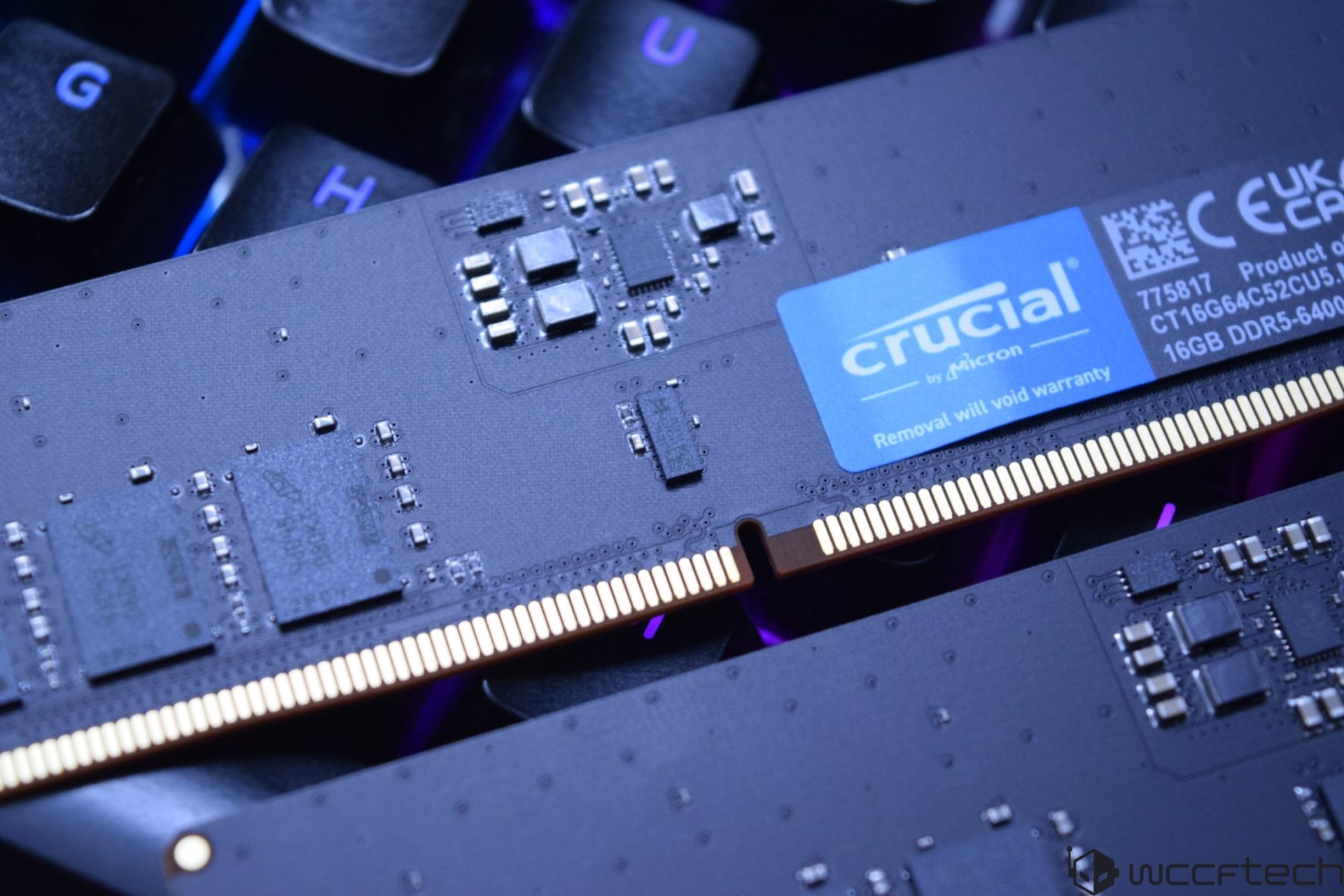
Mainstream DDR5 kits are also affected, although the increases are not as dramatic as the premium high-capacity models. A Crucial DDR5-6400 64 GB kit, made up of two 32 GB modules, has risen to around 139,980 yen, or about $886. Meanwhile, a DDR5-5600 64 GB kit is now listed at roughly 104,980 yen, or around $665.
Even smaller 32 GB kits are becoming more expensive. DDR5-6400 and DDR5-6000 kits with two 16 GB modules have seen fresh price hikes as well. While these increases are smaller in absolute terms, they still make budget and mid-range PC builds more costly than expected.
The current DDR5 price surge is creating a difficult situation for anyone planning to move to a newer platform. Modern Intel and AMD systems increasingly rely on DDR5 memory, but the cost of RAM is now a major barrier. For many users, the price of memory alone could disrupt an entire PC build budget.
Because of this, upgrading from DDR4 to DDR5 may no longer make sense for everyone. Users who already have a stable DDR4 system may be better off waiting until prices cool down. Unless a DDR5 upgrade is absolutely necessary for productivity, gaming performance, or platform compatibility, staying with an existing DDR4 setup could be the smarter choice for now.
The biggest concern is that these price increases are not isolated. DDR5 prices have been rising across multiple regions, and the latest figures from Japan suggest that the global memory market remains under heavy pressure. If the trend continues, PC building could become even more expensive during the coming months.
For gamers, creators, and workstation users, DDR5 memory has quickly changed from a standard upgrade into a premium purchase. Until supply improves or market conditions stabilize, buyers may need to rethink their upgrade plans, compare prices carefully, and avoid unnecessary memory purchases whenever possible.


