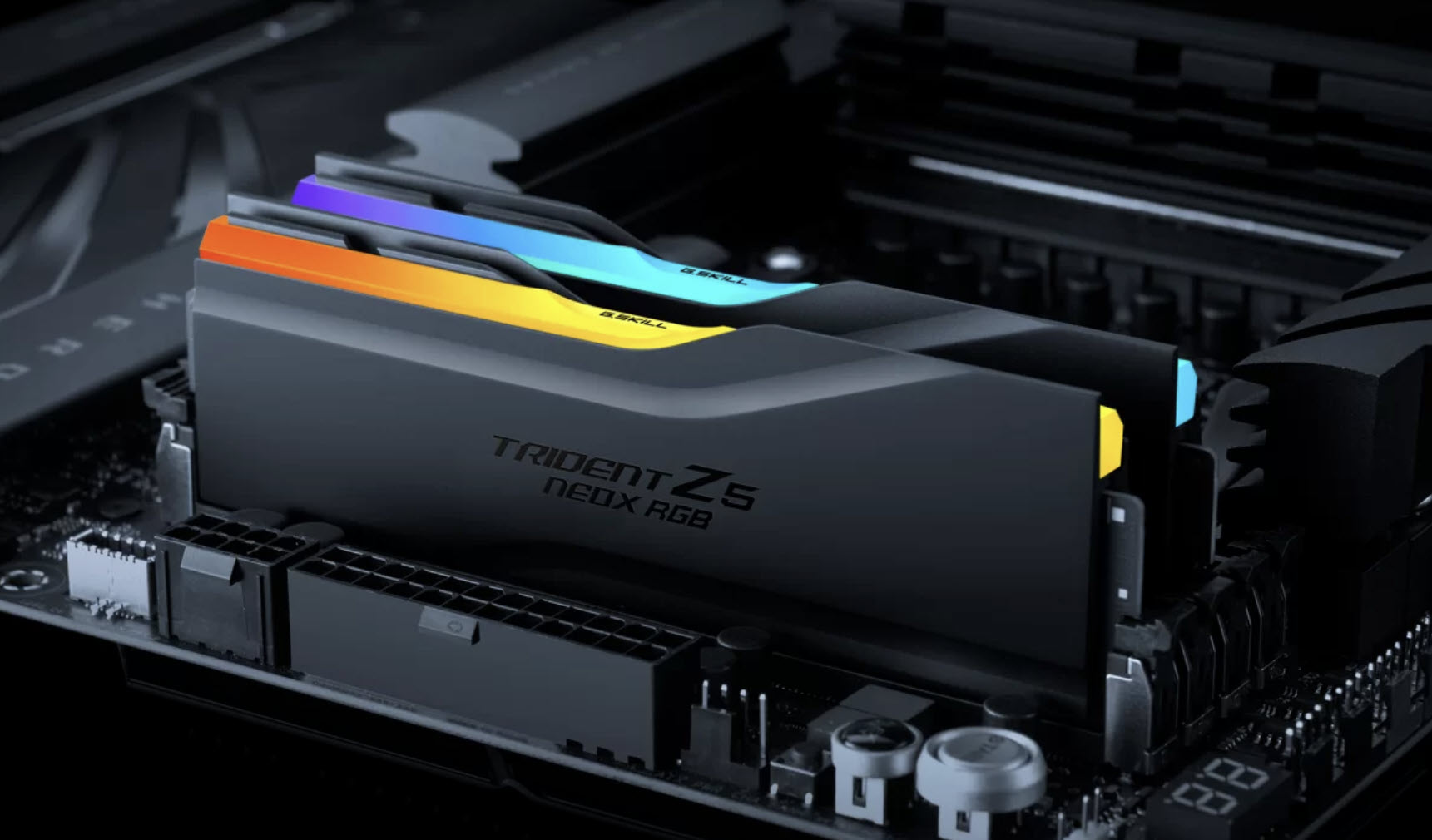
DDR5 RAM prices hit a new high as memory kits become over five times more expensive than July 2025
DDR5 memory prices are climbing at an alarming pace, and the latest market data from Germany shows that the situation is getting worse for PC builders and upgraders. In September, average DDR5 RAM kit prices jumped by around 12% in just one month, pushing the market to a new record level.
The latest figures indicate that DDR5 memory kits are now more than five times more expensive compared to their July 2025 pricing levels. For anyone planning to build a new gaming PC, workstation, or compact desktop system, this sharp increase could make memory one of the most painful parts of the shopping list.
DDR5 memory pricing breaks past the 500% mark
DDR5 prices have been elevated for months, with average pricing hovering in the 400% to 500% index range throughout the year. However, September marked a major turning point, as average DDR5 RAM prices in Germany climbed from 486% to 544%.
That is one of the steepest monthly increases recorded in recent months and suggests that the DDR5 market is still under heavy pricing pressure. The trend is especially concerning because memory prices have not simply risen slightly; they have moved into record territory.
Germany is often used as a useful market for tracking PC hardware pricing because there is strong price transparency across retailers. The latest DDR5 pricing data was compiled using German retail listings from multiple online vendors, giving a broad view of how memory kit prices are moving across the market.
Several DDR5 kits saw major price hikes in September
The overall 12% monthly increase was not caused by one category alone. Many DDR5 memory kits rose in price during September, with some showing single-digit gains and others seeing much sharper double-digit increases.
The biggest impact came from a 2×16 GB DDR5-6400 CL30 memory kit, which saw an enormous 103% price increase in just one month. That single kit had a strong effect on the average DDR5 pricing index and helped push the market past its previous highs.
Other popular DDR5 configurations also became more expensive. A 2×32 GB DDR5-6400 kit rose by around 33%, while several 32 GB and 24 GB DDR5 kits increased by as much as 18%. Even 16 GB DDR5 kits, which are often used in more affordable PC builds, recorded noticeable price growth during the same period.
This matters because DDR5-6400 kits are popular among gamers, enthusiasts, and PC builders looking for fast memory with strong latency performance. As these kits become more expensive, the cost of building a modern system continues to rise.
DDR4 prices remain more stable
While DDR5 RAM prices are surging, DDR4 memory has remained relatively stable in recent months. There has been little noticeable growth in DDR4 pricing, which may make older platforms more attractive for budget-conscious buyers.
However, DDR4 is not an option for many newer systems. Modern desktop platforms, laptops, compact PCs, and upcoming processors increasingly rely on DDR5 memory. That means buyers who want current-generation hardware often have no choice but to pay the higher DDR5 prices.
This creates a difficult situation for users who need larger memory capacities. A system with 32 GB or 64 GB of DDR5 RAM can now cost significantly more than expected, especially when choosing faster kits or low-latency modules.
Budget PCs are becoming more expensive
The rising cost of DDR5 memory is also affecting affordable PCs. Systems that were expected to target lower price points are becoming noticeably more expensive once memory is added.
Even small mini PCs based on budget-focused platforms are being pushed into higher price ranges. Some compact systems with only 16 GB of RAM are now approaching or exceeding the $1,000 mark, showing how much memory pricing can influence the final cost of a complete computer.
For PC builders, this could mean making compromises. Some may choose lower-capacity kits, slower DDR5 modules, or delay upgrades until prices improve. Others may look toward DDR4-based systems where possible, though that usually means choosing older hardware platforms.
What this means for PC builders and upgraders
The September DDR5 price jump is a clear warning sign for anyone planning a new PC build. Memory is no longer the relatively predictable component it once was. With DDR5 kits now sitting at more than 5x their July 2025 price level, buyers may need to adjust their budgets or rethink their hardware choices.
Gamers building high-performance PCs may feel the impact when selecting 32 GB or 64 GB memory kits. Content creators, developers, and workstation users may be hit even harder, since they often need higher-capacity RAM configurations for demanding workloads.
If DDR5 prices continue rising, the cost of next-generation desktops, mini PCs, and laptops could remain under pressure for months. For now, the market shows little sign of returning to normal, and September’s sharp increase suggests that the DDR5 memory price surge may not be over yet.