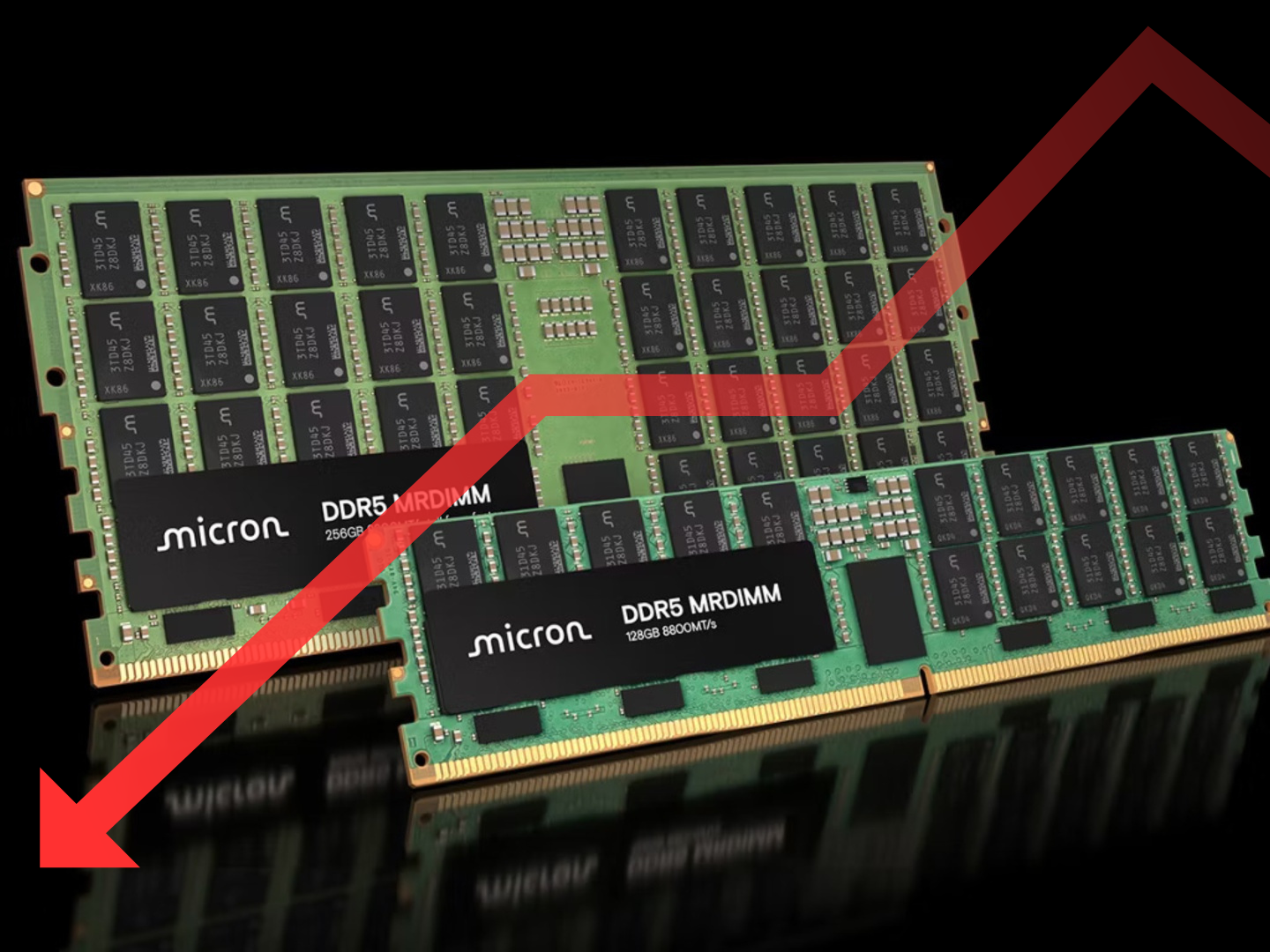
RAM and storage prices have been on a wild ride lately, and it hasn’t just hit PC builders. Smartphones, laptops, desktops, and nearly every tech category have felt the squeeze as memory and storage costs climbed month after month. After months of frustrating price hikes, though, a new pricing snapshot is offering a small but welcome hint that the DDR5 market may finally be easing—at least in one region.
One of the biggest forces behind the recent surge is the rapid growth of AI. Training and running AI workloads requires enormous amounts of DRAM and storage capacity, and that demand has helped push prices higher across the supply chain. The result has been a steady upward trend lasting roughly nine to ten months, creating a “new normal” that’s been painful for consumers and disruptive for manufacturers alike.
Now for the hopeful part: price tracking in Germany has detected a slowdown that could signal the first crack in DDR5’s upward momentum. A Germany-based tracker that has been monitoring RAM and storage pricing since July of last year reports that the most recent data shows a decline in DDR5 pricing pressure. Across 20 DDR5 products analyzed, the average change points to a 7.2% decrease. That might not sound huge, but it stands out because it follows six straight months of increases (from July 2025 through January 2026), plus two months where prices didn’t budge.
It’s important not to over-celebrate yet. Even with this dip, DDR5 prices remain dramatically higher than they were in July. The analysis suggests DDR5 is still sitting at roughly a 408% average increase compared to that earlier baseline—shifting from about a 4.4x jump to around a 4.1x jump. In other words, this is more like a small step in the right direction than a full-on reversal.
There’s also a major limitation: this picture reflects the German market specifically, not global pricing. Regional supply, local demand, distribution differences, and currency factors can all influence what shoppers see in different countries. So while the data is encouraging, it doesn’t automatically mean buyers everywhere will see DDR5 RAM prices dropping immediately.
The bigger question is what happens next. Industry chatter and reporting continues to point in both directions—some expect RAM and storage pricing to stabilize and gradually cool off over the year, while others believe demand (especially from AI and large-scale computing) could keep pushing memory costs higher. What’s already clear is that the market has undergone a significant shift. PC gaming budgets have been affected, smartphone pricing pressure has increased, some devices have been discontinued, and parts of the DRAM industry have seen companies exit the space entirely.
For anyone waiting to upgrade a PC or buy a new device, this DDR5 pricing dip is best viewed as a “glimmer of hope,” not a guarantee. Still, after months of one-way movement, even a modest decline is notable—and it’s exactly the kind of early signal buyers and builders watch for when trying to time a memory upgrade.