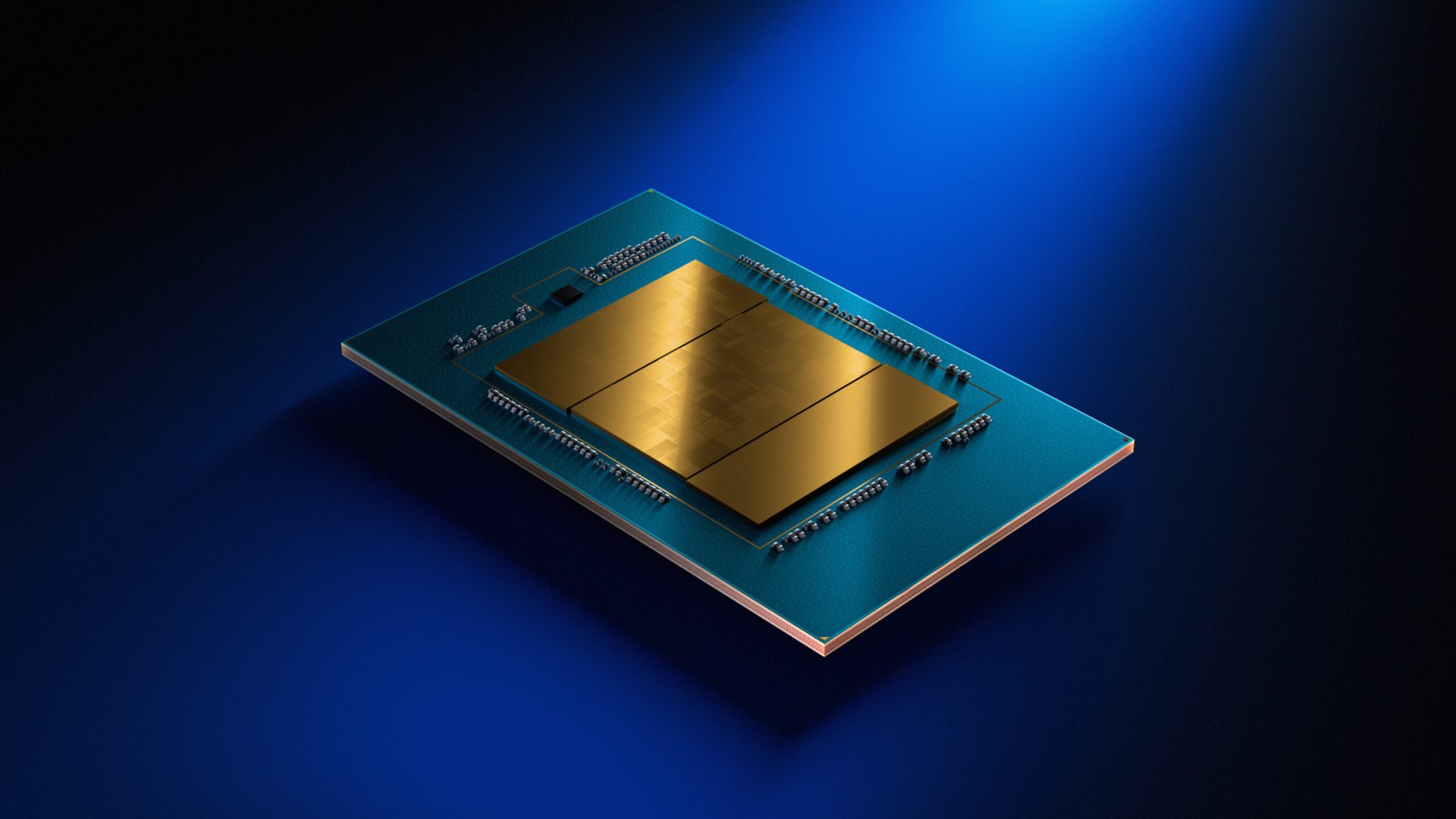
Intel and NVIDIA’s long-rumored collaboration is now taking a clearer shape, with Intel’s Xeon 6 server processors officially landing inside NVIDIA’s Rubin-based systems. The move signals an important shift in how next-generation AI infrastructure is being built, especially as modern “agentic” AI workloads demand more from the CPU than simply feeding data to the GPU.
As AI systems evolve, hyperscalers and platform providers are paying closer attention to the CPU’s role in orchestration, memory access, and model security. These responsibilities are becoming increasingly central to AI performance and efficiency, which is why NVIDIA’s latest Rubin DGX NVL8 configuration now includes Intel Xeon 6 processors—similar in approach to how host CPUs have been used in prior DGX platforms.
According to Intel, pairing Xeon 6 with the DGX NVL8 is designed to strengthen inference and improve overall total cost of ownership. The idea is straightforward: shift portions of agentic and system-level workload handling onto the x86 host CPU so the GPU resources can stay focused on acceleration where they matter most. That balance can help improve utilization, streamline operations, and potentially reduce waste across the stack.
Intel says Xeon 6 brings several advantages to NVIDIA’s Rubin DGX NVL8 offering, including efficient performance per watt, reliability in mission-critical environments, and improved orchestration of GPU-accelerated heterogeneous systems. Intel also highlights ecosystem-level software support, including new support for NVIDIA Dynamo, intended to enable heterogeneous inference that spans CPU resources and future GPU generations.
While Intel hasn’t confirmed which specific Xeon 6 models are being used in these Rubin DGX NVL8 systems, expectations point toward a configuration similar to what’s been seen in other recent high-performance AI server pairings. One likely candidate is the Xeon 6776P, a performance-core-focused chip featuring 64 cores and 128 threads with a 2.30 GHz base clock. It also supports PCIe 5.0 connectivity and MRDIMM memory, both of which are attractive for bandwidth-heavy AI server designs. The broader inclusion of Granite Rapids-based Xeon 6 parts further suggests Intel is aiming for stronger placement across hyperscalers and major AI platform deployments.
For readers watching the bigger server market picture, one detail stands out: this Xeon 6 integration currently appears limited to NVIDIA’s DGX NVL8 baseline Rubin offering. Wider rack-scale adoption—such as larger NVL72 rack configurations—doesn’t seem to be on the table yet. That said, Intel and NVIDIA are also reportedly working on a joint x86 server CPU solution, and that project could eventually lead to broader adoption across NVIDIA’s rack-scale AI infrastructure.
For now, Xeon 6 taking a formal role in Rubin DGX NVL8 is a meaningful milestone: it underscores the rising importance of CPUs in AI data centers and shows NVIDIA’s platform strategy is increasingly about optimizing the full system—not just pushing GPU performance alone.