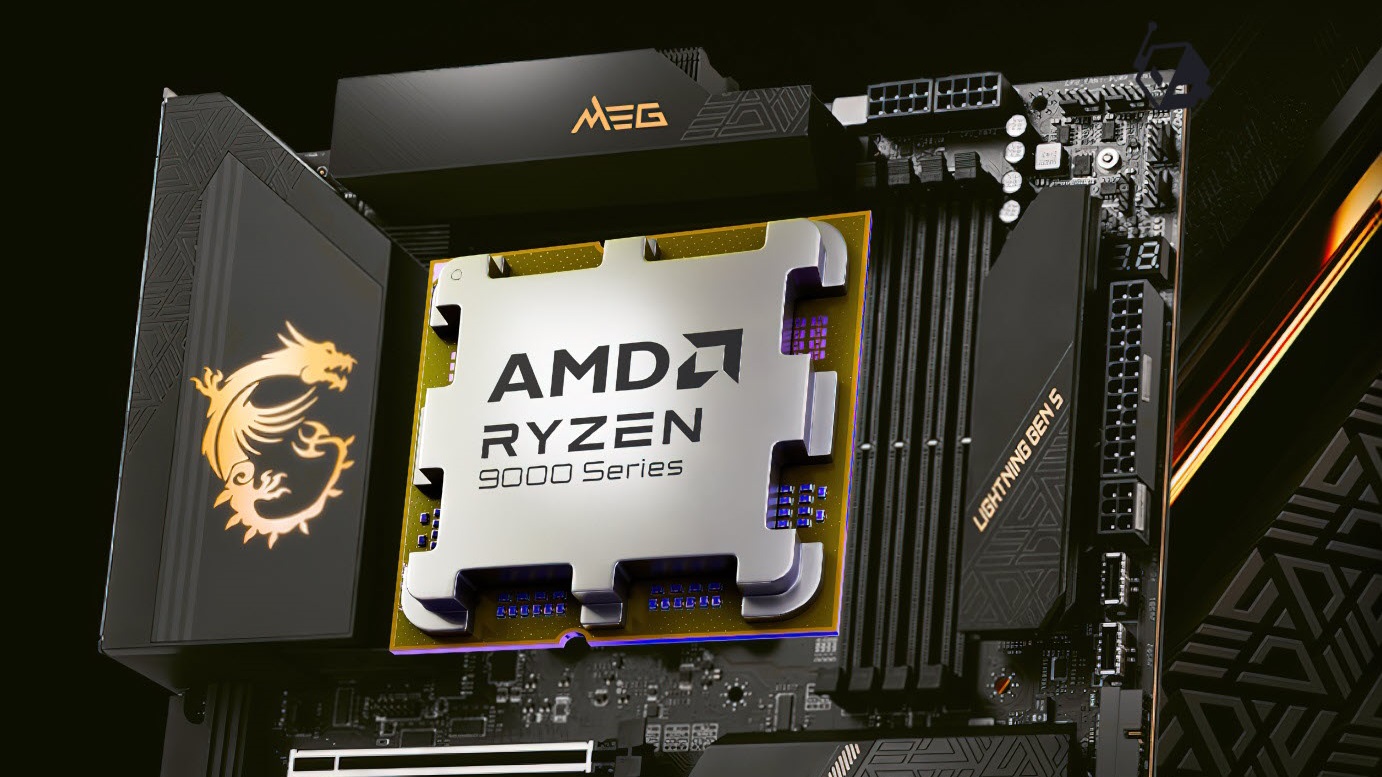
AM5 and DDR5 Surge in Germany as AM4 Motherboard Sales Fall Sharply
Germany’s PC hardware market appears to be shifting rapidly toward DDR5 platforms, with AMD’s AM5 ecosystem now dominating motherboard sales at a major German retailer. After months of renewed interest in older DDR4-based systems, the latest sales figures suggest that buyers are once again moving strongly toward newer-generation hardware.
According to May 2026 motherboard sales data from Mindfactory, AM5 captured an impressive 81% share of total motherboard sales. That marks one of the strongest showings for AMD’s latest desktop platform since its launch and highlights how quickly the market can change when memory prices, CPU availability, and platform costs begin to stabilize.
The biggest surprise is the sharp decline of AM4. AMD’s older DDR4-based platform had enjoyed a major comeback during the period when DDR5 memory prices were unusually high and availability was less favorable for budget builders. During that time, AM4 gained significant traction because it offered affordable CPUs, cheaper motherboards, and mature DDR4 memory support.
At its peak during that period, AM4 reportedly reached around 40% of the motherboard sales share in Germany. Now, however, its position has weakened dramatically. In May 2026, AM4 fell to just 6.2% of total motherboard sales at Mindfactory, with only 165 units sold.
That drop puts AM4 behind Intel’s newer LGA 1851 platform, which reached an 8.8% share during the same period. While LGA 1851 has not been especially dominant in recent sales comparisons, it still managed to move ahead of AM4, showing just how much demand for older DDR4 systems has cooled.
Intel’s previous LGA 1700 platform also continues to struggle. It sold only 110 motherboard units across the month, further showing that buyers are becoming less interested in older-generation platforms, whether from AMD or Intel.
Overall, DDR5-based motherboards now account for around 91.2% of the platform share in this sales snapshot, while DDR4 platforms sit at just 8.8%. This is a major reversal from the months when DDR4 builds looked like the safer and more affordable choice for many PC builders.
The reasons behind AM4’s decline are likely tied to several factors. DDR5 memory pricing has become more reasonable compared with the earlier period of inflated costs. AM5 motherboard options have also expanded, giving buyers more choices across different budgets. At the same time, AMD’s newer Ryzen processors continue to make AM5 more attractive for users who want a longer upgrade path.
Among individual motherboard chipsets, AMD’s B850 lineup is currently the strongest performer, taking nearly 50% of total motherboard sales. The higher-end X870E motherboards follow with an 18.4% share, showing that both mainstream and enthusiast AM5 boards are seeing strong demand.
The older B650 chipset, once one of the most popular AM5 options, is now slowing down. It sold around 250 units in May, giving it a 10.7% share. While B650 is still relevant for many budget-conscious AM5 builds, newer chipset options appear to be taking momentum away from it.
AMD remains far ahead of Intel in this particular motherboard sales data. The company holds close to 87% of the total motherboard market share at the retailer, while Intel sits at roughly 13%. That gap reinforces how strong AMD’s desktop platform position currently is in Germany, especially as AM5 continues to gain traction.
The latest numbers suggest that the temporary DDR4 revival may be coming to an end. AM4 is still a capable and affordable platform for many users, particularly those upgrading an existing system, but new PC builders in Germany are clearly leaning toward DDR5 and AM5 in much larger numbers.
If current trends continue, AM5 could remain the preferred choice for gamers, creators, and PC enthusiasts looking for a modern platform with better long-term upgrade potential. DDR4 may still serve the entry-level and second-hand markets, but the mainstream desktop motherboard market is now moving decisively into the DDR5 era.


