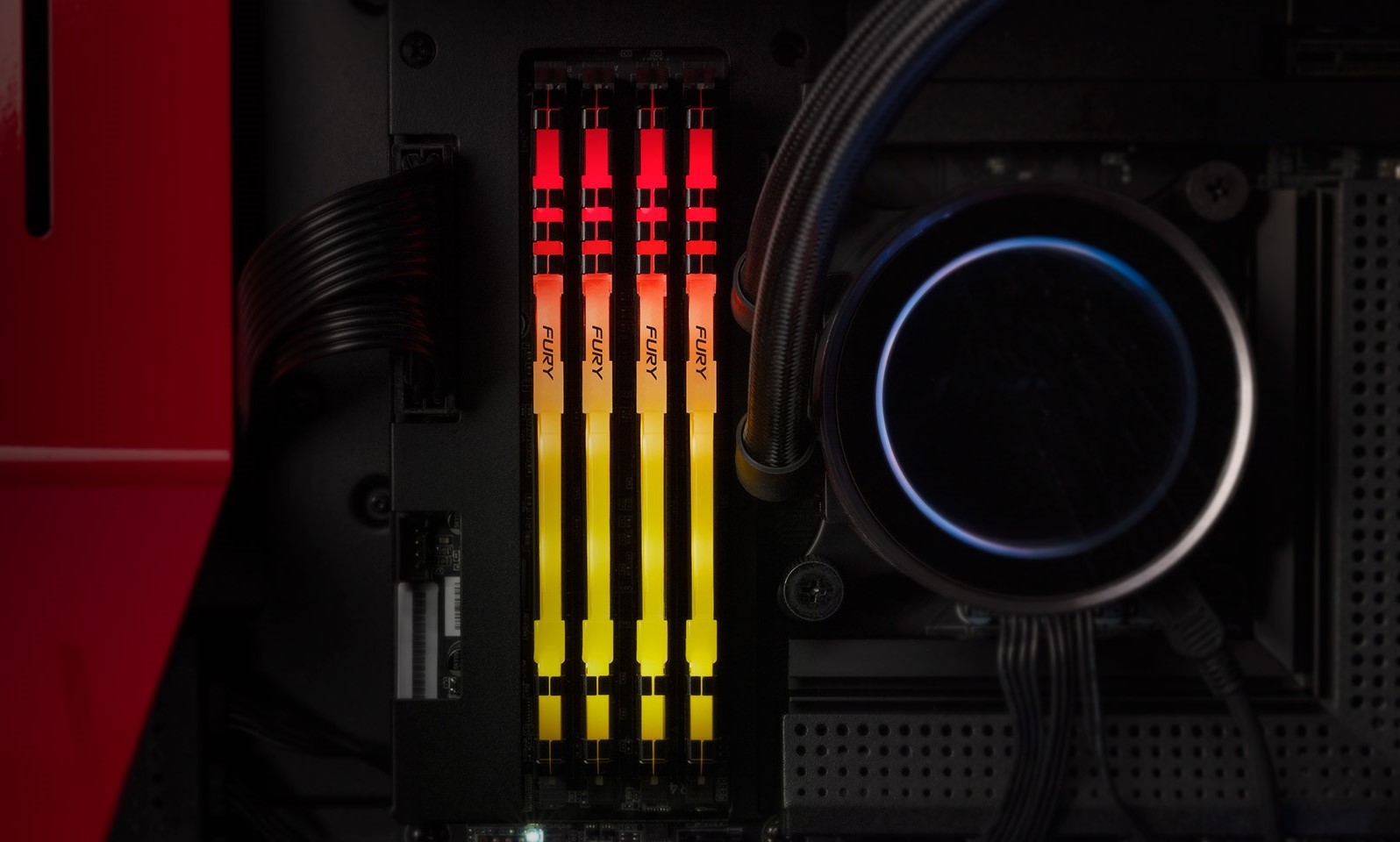
DDR4 Demand Surges Again as DDR5 Prices Keep PC Builds Expensive
DDR4 memory is proving it still has plenty of life left. While some markets have seen a temporary slowdown in DDR4 platform interest, demand remains strong in many regions as PC builders look for more affordable hardware options.
The biggest reason is simple: DDR5 memory and newer platforms remain expensive. With DDR5 modules reportedly selling at several times the price of comparable DDR4 kits in some cases, building a budget gaming PC or entry-level desktop has become far more difficult. Rising SSD prices have added even more pressure, making it challenging for many users to assemble a complete system under $1,000.
As a result, DDR4-based systems are becoming more attractive again. DDR4 RAM is not as cheap as it once was, but it is still generally far more affordable than DDR5 at similar capacities. Motherboards that support DDR4 also tend to cost less than newer DDR5-focused platforms, including AMD AM5 and Intel LGA 1851 options. Even Intel LGA 1700 systems with DDR5 support can be more expensive than DDR4 alternatives.
Motherboard makers are reportedly responding to this shift. Several vendors are said to be preparing to restart or increase production of DDR4-compatible motherboards as demand continues to grow. This renewed interest comes as many consumers prioritize value over the latest platform features, especially when performance on older platforms remains more than enough for gaming, office work, and general productivity.
AMD’s AM4 platform is one of the clearest examples of DDR4’s staying power. Despite being older than AM5, AM4 continues to attract buyers thanks to its lower platform cost and strong processor lineup. Ryzen 5000 chips such as the Ryzen 5 5500 and Ryzen 7 5800XT continue to rank among popular choices for budget-conscious builders, showing that older hardware can still offer excellent performance per dollar.
The continued popularity of AM4 also suggests that AMD’s previous-generation platform may remain relevant longer than expected. With more affordable motherboards, wide CPU availability, and mature DDR4 memory support, AM4 remains a practical option for users who want a capable PC without paying the premium attached to newer DDR5 systems.
Intel’s LGA 1700 platform is also benefiting from the DDR4 comeback. Since LGA 1700 supports both DDR4 and DDR5 depending on the motherboard, manufacturers have a clear opportunity to bring back or increase production of DDR4 versions. In several markets, LGA 1700 remains highly competitive with newer Intel platforms, especially for users who want strong performance without investing in expensive DDR5 memory.
This shift does not mean DDR5 is failing. DDR5 is still the future of PC memory and is required for the newest mainstream platforms. However, high pricing has slowed adoption among value-focused buyers. For many users, the performance gains of DDR5 may not justify the extra cost, especially in budget and mid-range builds where every dollar matters.
For PC builders in 2026, DDR4 remains a smart choice. It offers lower platform costs, strong availability, and enough performance for most real-world workloads. As long as DDR5 prices remain high, DDR4 motherboards and memory kits are likely to stay in demand.
The return of DDR4 motherboard production shows that the PC market is adapting to what consumers actually need: affordable, reliable, and capable hardware. New platforms may grab the spotlight, but DDR4 is still playing a major role in keeping PC building accessible.