Apple’s Next Memory Move Could Bring CXMT Into the iPhone Supply Chain
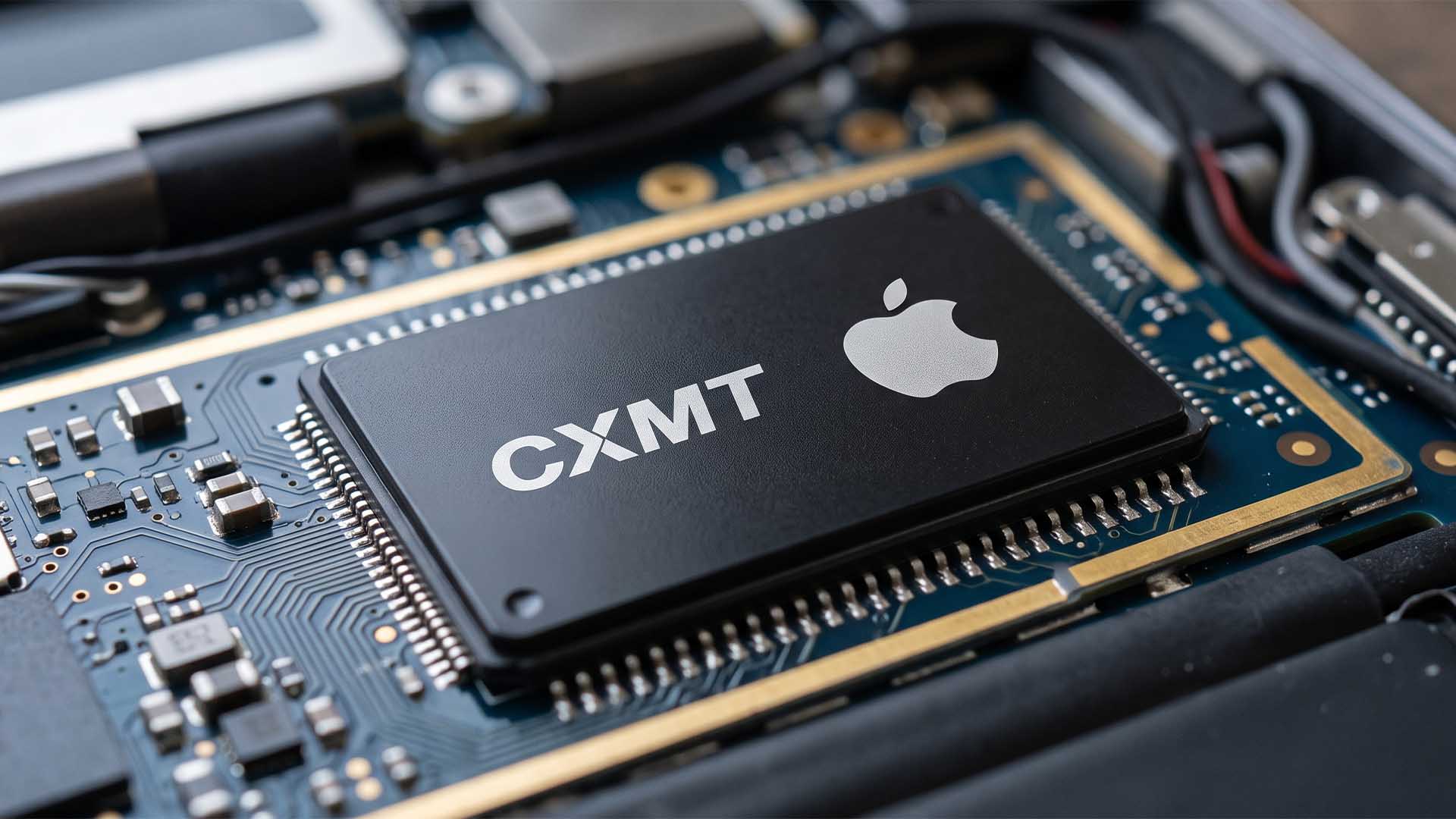
Apple is reportedly exploring a closer relationship with Chinese memory maker CXMT as it looks to reduce the risk of future DRAM shortages. The move appears less focused on securing cheaper components and more about building a stronger, more flexible supply chain at a time when demand for memory is rising sharply.
One major reason is artificial intelligence. AI data centers are expected to absorb a huge share of global memory shipments in the coming years, potentially taking more than 60 percent of available supply by next year. That kind of demand could put pressure on consumer electronics brands, including Apple, which depends on reliable access to DRAM for products such as the iPhone, iPad, Mac, and other devices.
According to a new report, CXMT has started research and development on an advanced type of DRAM that could increase both memory capacity and performance while still relying on older DUV manufacturing equipment. This is important because China’s semiconductor industry faces restrictions that limit access to cutting-edge EUV lithography machines. If CXMT can make meaningful progress using DUV tools, it could strengthen its position in the global memory market without needing the most advanced chipmaking equipment.
The technology in question is known as bonding DRAM. It uses Wafer-to-Wafer Hybrid Bonding, also called W2W hybrid bonding, instead of traditional microbumps to connect DRAM chips. In simple terms, two wafers are precisely aligned and fused together, creating a more compact and efficient structure.
CXMT is said to be testing this process on a pilot production line in Hefei, China. The long-term goal is to develop high-density DRAM that can deliver faster performance, better power efficiency, and greater capacity without taking up more physical space.
A key part of this approach is separating the memory cell array from the peripheral control logic circuits. By placing these components on different wafers, each section can be manufactured using the process best suited for its function. That could improve efficiency and help overcome some of the limitations found in traditional DRAM designs.
Removing microbumps also brings several potential advantages. Microbumps take up physical space, add latency, and increase electrical resistance. By replacing them with hybrid bonding, CXMT may be able to shorten internal wiring, reduce power consumption, and improve data transmission speeds.
For Apple, these improvements could be especially valuable. High-density DRAM that uses less space could free up room on an iPhone logic board. Even small space savings matter in smartphone design, where every millimeter can affect battery size, camera hardware, thermal performance, or other internal components.
This is why CXMT’s progress could catch Apple’s attention. Apple has a long history of securing early access to important components when it believes they can improve future products. The company often uses its massive purchasing power to reserve supply ahead of competitors, especially when dealing with advanced chips and key hardware technologies.
If CXMT can prove that its bonding DRAM meets Apple’s performance, reliability, and quality standards, the Chinese company could become an important supply chain partner. Apple would benefit from another DRAM source, while CXMT would gain a major global customer with enormous order volumes.
The timing could also be significant. Samsung and SK hynix currently dominate the global DRAM market, but China has been working aggressively to close the gap. The report claims that Chinese companies hold a notable number of patents in this area, which could help them compete more seriously over the next three to five years.
However, there are still major uncertainties. CXMT’s bonding DRAM is reportedly only in the research and development stage, meaning commercial production could still be years away. Moving from a pilot line to stable mass production is difficult, especially for advanced memory technologies that require high yields and strict quality control.
There is also no guarantee that Apple will approve CXMT as a supplier. Apple is known for demanding extremely high standards from its hardware partners. Even if CXMT succeeds technically, its DRAM would still need to pass Apple’s internal testing and supply chain requirements before it could appear in future iPhones or other Apple products.
Political approval may also play a role. Any deeper Apple-CXMT relationship would likely be watched closely due to ongoing U.S.-China technology tensions. While Apple may want to diversify its memory supply, it must also navigate regulatory and geopolitical challenges carefully.
For now, the reported development should be viewed as a promising but early-stage move. CXMT’s work on bonding DRAM could eventually reshape its role in the memory industry, and Apple may have strong reasons to pay attention. But until the technology reaches mass production and an official supplier relationship is confirmed, the situation remains speculative.
Still, the bigger picture is clear: memory is becoming more strategically important than ever. As AI data centers consume more DRAM and mobile devices demand higher performance in smaller packages, companies like Apple will continue searching for secure, efficient, and advanced memory supply options. CXMT’s bonding DRAM could become part of that future if the technology delivers on its potential.