CXMT Moves Closer to LPDDR6 Memory Mass Production as AI Demand Heats Up
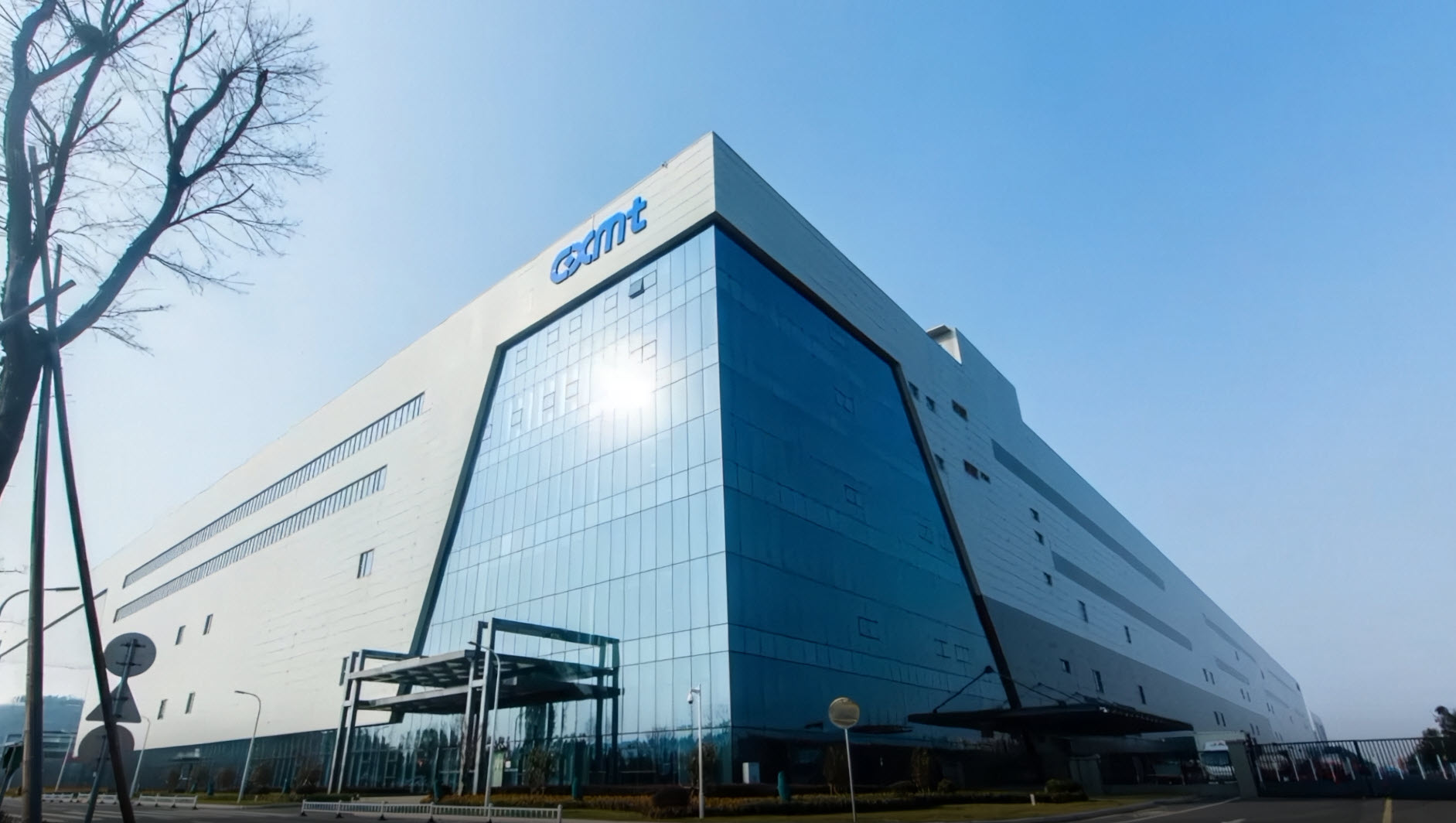
Chinese memory maker ChangXin Memory Technologies, better known as CXMT, is reportedly nearing a major milestone in its push to produce next-generation LPDDR6 memory chips at scale. The development could strengthen China’s position in the global DRAM market at a time when demand for advanced memory is rising sharply due to artificial intelligence, mobile computing, and high-performance consumer devices.
According to recent reports from Chinese media, CXMT’s LPDDR6 chips have completed the research and development verification stage. This is an important step in the semiconductor production process, coming after single-chip verification and before small-batch trial production. If the company successfully clears the next validation phase, it could move closer to full-scale mass production.
LPDDR6 is expected to become a crucial memory standard for future smartphones, tablets, laptops, AI devices, and other low-power computing products. Compared with current-generation mobile DRAM, LPDDR6 is designed to deliver faster data speeds while maintaining energy efficiency, making it especially valuable for devices that need high performance without excessive power consumption.
The reported specifications of CXMT’s first LPDDR6 chips are notable. The chips are said to feature a design speed of 12,800 Mbps, or 12.8 Gbps, with a base speed of 10,667 Mbps, or about 10.7 Gbps. They are also expected to offer 16Gb capacity and use a 1295-ball POP package. These figures place the chips in line with the kind of performance expected from next-generation low-power memory solutions.
The timing is significant. SK hynix has also been linked to LPDDR6 production plans, with mass production expected in the second half of 2026. The company previously revealed LPDDR6 details, including a 10-nanometer-class manufacturing process, speeds above 10.7 Gbps, and 16Gb density. With major memory suppliers preparing for the transition to LPDDR6, CXMT’s progress suggests it wants to compete more aggressively in a segment that could become essential for AI-enabled mobile hardware.
The global memory market is undergoing rapid change. Demand for high-bandwidth memory, server DRAM, and AI-focused memory products has forced major players such as Samsung, SK hynix, and Micron to prioritize advanced data center and AI infrastructure needs. This shift may create opportunities in mobile DRAM and low-power memory, where CXMT appears eager to expand its presence.
CXMT has also attracted attention because of its potential role in consumer electronics supply chains. Reports have suggested that Apple has shown interest in sourcing memory chips from the Chinese manufacturer, particularly for products sold in China and other Asian markets. If such a supply relationship develops, it could help Apple ease supply chain pressure while giving CXMT a major credibility boost in the global technology industry.
The company has already drawn market attention for its financial activity. Its stock debut reportedly saw shares soar by 466%, closing at CNY49 after opening at CNY8.66 per share. That surge reflected strong investor interest in China’s semiconductor ambitions and in CXMT’s potential to become a larger force in memory manufacturing.
While CXMT still faces challenges in technology maturity, yield improvement, and large-scale production reliability, completing LPDDR6 R&D verification would mark a meaningful step forward. Moving from validation to small-batch production will be critical, as this phase allows manufacturers to fine-tune equipment, improve yields, and prepare production lines for commercial output.
If CXMT succeeds, it could become a more influential player in the next wave of mobile DRAM. With AI smartphones, edge computing devices, and premium consumer electronics requiring faster and more efficient memory, LPDDR6 is expected to play a key role in the future of device performance.
For now, CXMT’s reported progress signals that competition in the memory chip industry is set to intensify. As leading manufacturers focus heavily on AI servers and high-bandwidth memory, CXMT may be positioning itself to capture demand in the fast-growing LPDDR6 market.