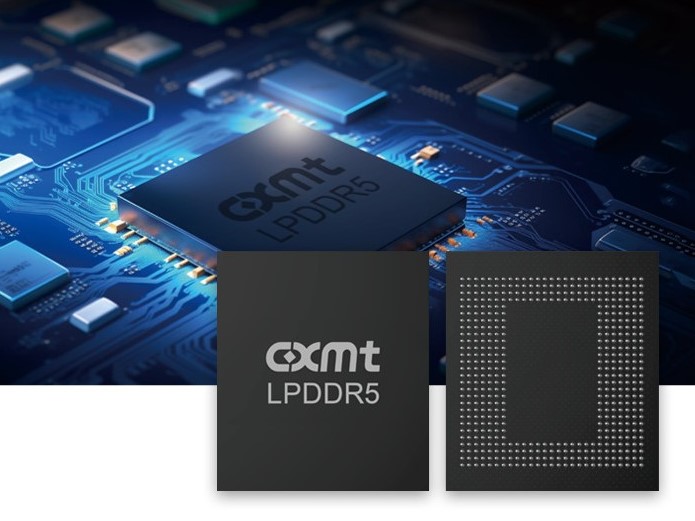
Chinese memory manufacturer CXMT is on track to make a significant impact in the global DRAM market, with predictions suggesting they could secure a 15 percent market share by the end of 2025. This ambitious growth target is fueled by accelerated production, advanced technological developments, and competitive pricing strategies.
CXMT’s influence has been particularly noted in the mobile markets, although they continue to face hurdles in penetrating the enterprise sector. Trade restrictions remain a significant obstacle, limiting their global expansion. Nevertheless, their progress is remarkable, considering that just a few years ago, their market share was below 2 percent.
The company’s strategy has involved ramping up production capacity significantly—from 70,000 wafers per month in 2022 to an anticipated 200,000 by 2024. They’ve also entered the DDR5 arena and plan to expand LPDDR5 shipments in the coming year.
This momentum has caught the attention of industry leaders like Samsung and SK Hynix, who have reportedly reduced their production for non-AI applications in response to CXMT’s aggressive growth and pricing strategies. Samsung currently holds the largest market share at 42.9 percent, followed by SK Hynix’s 34.5 percent, and Micron with 19.6 percent.
CXMT has also forged important supply partnerships with prominent phone manufacturers Xiaomi and Transsion, together representing a significant segment of the global smartphone market. Their competitive pricing has been particularly disruptive in the DDR4 space, with reports of CXMT offering modules at about half the price of their competitors.
Despite these advancements, CXMT still faces challenges in the enterprise sector, where established providers are the norm, and U.S. and Dutch sanctions add to their international expansion constraints. Their primary focus remains on the domestic market, particularly government-related entities, but they aim to broaden their global reach in the coming years.
As CXMT continues to navigate these industry dynamics, their progress will be a trend to watch, with implications for both market competition and technological innovation in the DRAM sector.