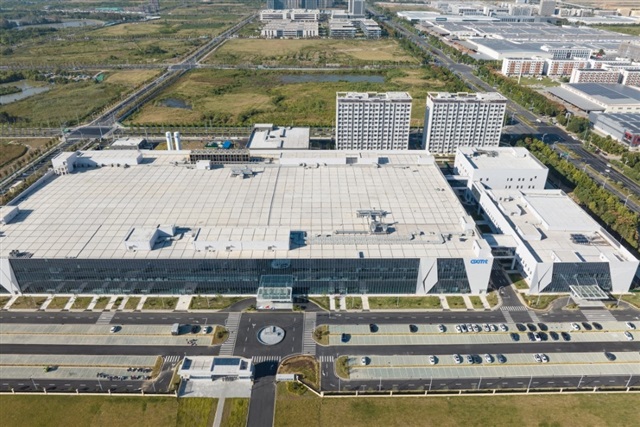
CXMT IPO Signals a Focus on Mainstream DRAM Instead of a Rapid HBM Push
CXMT’s planned IPO on China’s STAR Market is drawing attention across the semiconductor industry, but not because it points to an immediate breakthrough in high-bandwidth memory. Instead, the funding plan suggests that China’s largest DRAM manufacturer is staying focused on expanding and improving its core commodity memory business.
High-bandwidth memory, better known as HBM, has become one of the most important components in the global AI hardware boom. It is used alongside advanced AI accelerators and high-performance computing chips, making it a key technology for companies racing to supply data centers and artificial intelligence infrastructure. Because demand is rising so quickly, any sign of a new competitor entering the HBM market can attract major interest.
However, CXMT’s IPO documents appear to show a more practical near-term strategy. Rather than placing HBM at the center of its fundraising plans, the company seems to be directing resources toward conventional DRAM products. These memory chips remain essential for smartphones, PCs, servers, consumer electronics, networking equipment, and a wide range of industrial devices.
That approach suggests CXMT may be prioritizing scale, yield improvement, and competitiveness in established memory markets before making a stronger move into more advanced segments. Commodity DRAM is highly competitive, but it is also the foundation of the global memory industry. Strengthening production capacity and technology in this area could help CXMT secure a more stable position in both domestic and international supply chains.
The IPO also offers a clearer view of China’s semiconductor ambitions. While the country continues to invest heavily in self-sufficiency, advanced memory development remains difficult, expensive, and time-consuming. HBM production requires complex packaging, tight integration, and advanced manufacturing expertise. It is not simply a matter of increasing output; it requires mature processes and strong ecosystem support.
For now, this could ease concerns that Chinese memory suppliers are on the verge of quickly disrupting the HBM market. Leading global memory companies still hold a significant advantage in advanced DRAM and HBM production, especially as demand from AI chipmakers continues to surge.
Still, CXMT’s focus on commodity DRAM should not be overlooked. Building strength in mainstream memory can provide the financial base, manufacturing experience, and technical foundation needed for future expansion into more advanced products. If the company succeeds in improving yields and increasing production efficiency, it could become a more influential force in the global DRAM market over time.
In short, CXMT’s IPO does not appear to signal an immediate challenge in high-bandwidth memory. Instead, it points to a more measured strategy: grow in commodity DRAM first, strengthen manufacturing capabilities, and potentially move toward advanced memory technologies later. For the global semiconductor market, that means the HBM race remains dominated by established players for now, while China’s biggest DRAM maker continues building its position from the ground up.