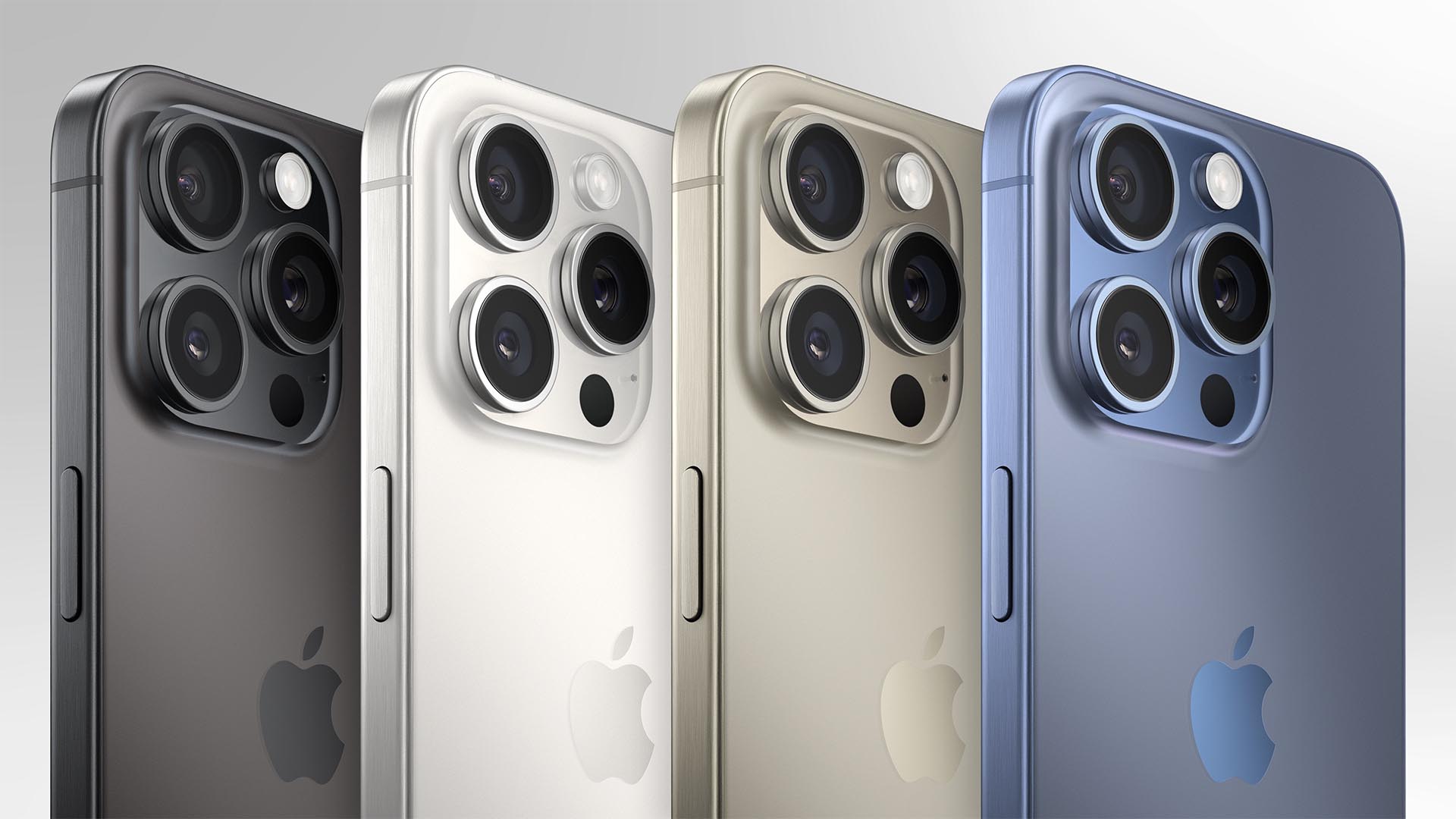
Apple’s much-anticipated iPhone 16 series is expected to make a grand entrance, believed to be scheduled for September 10. Consumers around the world are eagerly anticipating the arrival of the new iPhone, poised to capture the essence of the latest technology with an emphasis on photography as hinted by the ‘Ready. Set. Capture.’ promotional material. While some are ready to pre-order or queue up for the new release, not everyone is gearing up to make the switch to the new models.
A recent survey focusing on consumer upgrade intentions towards the iPhone 16 has shed light on the varying perspectives regarding Apple’s next big launch. Based on the study, when asked about the primary barrier to upgrading, affordability tops the list among 766 respondents. About 34.2 percent indicated the high cost as the primary deterrent from acquiring the upcoming iPhone.
Remaining content with current iPhone models is the second most common reason for customer hesitation in moving to the iPhone 16. Around 34.1 percent of surveyed individuals expressed satisfaction with their existing iPhones, perceiving negligible benefits in upgrading to the latest one.
It’s a pragmatic stance, especially for users of recent models like the iPhone 13 or iPhone 12, who find their present smartphones to be performing up to the mark for their daily needs. Thirdly, 12.8 percent of the surveyed group attributed their decision to existing contractual obligations preventing them from switching phones at this time.
Notably, there’s a sentiment among 5.5 percent of participants that the yearly upgrades between iPhone models lack significant differentiation in features and specs. For these consumers, the similarities between generations do not justify the cost of an annual upgrade.
A small but insightful 3.3 percent mentioned they believe the iPhone 16 doesn’t offer enough to warrant an upgrade this year and are already setting their sights on the iPhone 17. These responses reflect a broader consumer strategy of engaging in a biennial upgrade cycle, which can optimize the value derived from the phone’s technological advancements.
Apple, undeterred, is reportedly aiming for a shipment of 90 million units for the new models in anticipation of solid demand. The drive to upgrade varies for different customers, with some driven by the lure of new features, and others by the need to replace aging devices.
As Apple readies itself for the latest chapter in its storied history of product launches, affordability and the pacing of technological advancements are pivotal factors in consumer decision-making. Potential buyers will weigh these factors heavily as they consider whether to embrace the new iPhone 16 or stick with their current devices.
While many aspects such as the cost and minor annual upgrades influence customer decisions, Apple continues to maintain a vast loyal customer base excited by the innovation and prestige the brand represents. Whether this excitement translates into the expected sales figures remains to be seen upon the release of the iPhone 16 series.


