Xiaomi warns of rising memory costs squeezing margins as EV unit posts first-ever quarterly profit
Xiaomi is navigating a tale of two businesses. The company flagged mounting pressure on profit margins due to sharply higher memory prices, even as its electric vehicle division continued to accelerate and delivered its first profitable quarter. Executives emphasized they are actively balancing cost challenges in smartphones while keeping growth on track across the broader portfolio.
What’s driving the pressure
Memory components like DRAM and NAND are among the most expensive parts inside modern phones. When these costs climb quickly, it puts immediate strain on device margins, particularly for models that offer larger RAM and storage configurations. Xiaomi’s update underscores how sensitive smartphone profitability can be to swings in component pricing and how vital it is to manage bill-of-materials carefully during up-cycles in memory.
How Xiaomi is responding
While the company didn’t dive into specifics, the message was clear: it’s working to balance higher input costs with disciplined execution. In practice, that typically includes:
– Fine-tuning product mix toward configurations and price points with healthier unit economics
– Tightening supply and procurement strategies to secure favorable component allocations
– Pacing feature rollouts to prioritize high-impact upgrades that resonate with buyers
– Streamlining operations and marketing spend without compromising brand momentum
Smartphone buyers may notice more strategic storage tiering, limited-time promotions, or a stronger focus on models that deliver standout value at mainstream prices. The goal is to sustain competitiveness without eroding profitability as memory prices trend higher.
EV business hits a milestone
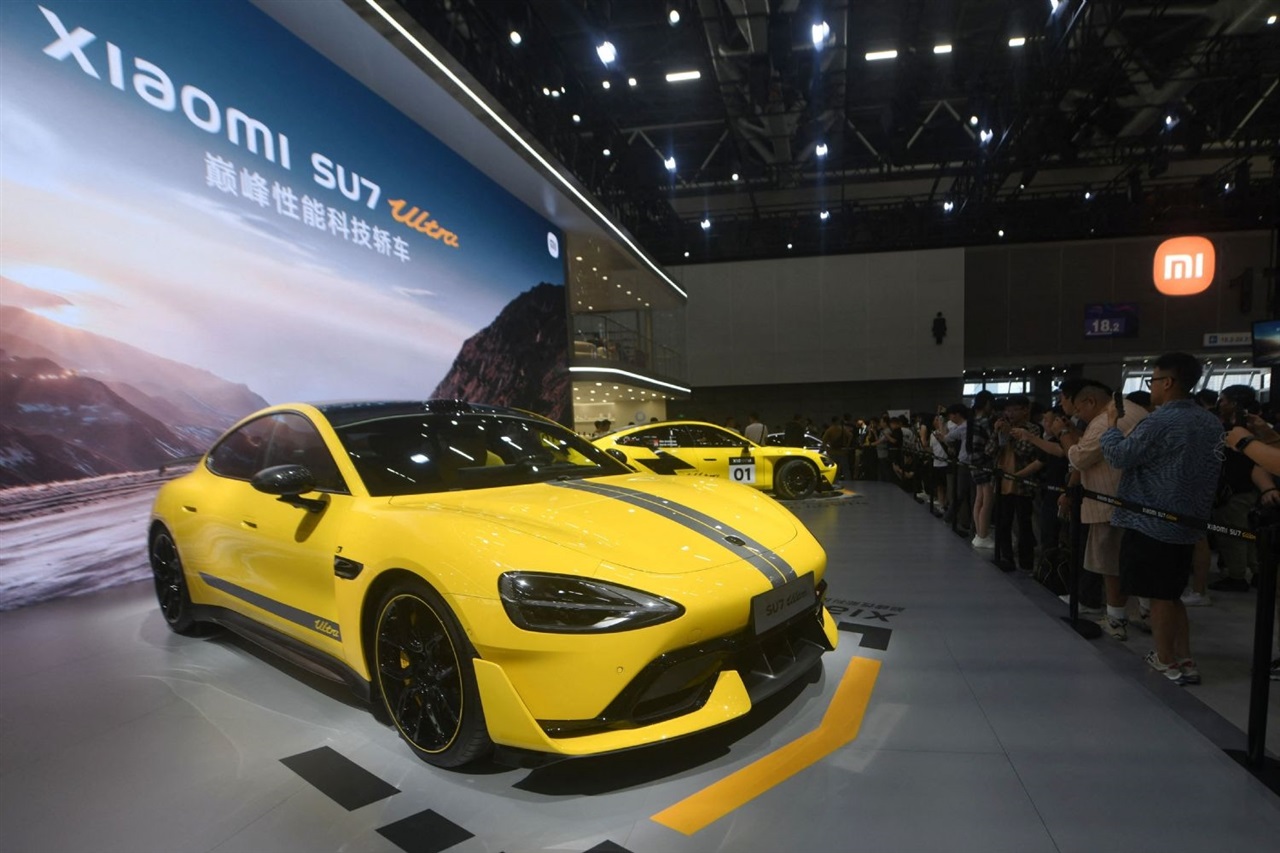
Against that backdrop, Xiaomi’s electric vehicle business continued its rapid expansion and reached first-time quarterly profitability. That milestone signals growing scale, better cost absorption, and encouraging demand for the company’s mobility strategy. Early profitability also gives Xiaomi added flexibility to invest in engineering, software, and charging ecosystem experiences that can differentiate its vehicles in a crowded market.
Why this dual-track matters
Diversification is proving to be a strength. As smartphone margins face cyclical pressure from rising component costs, EV gains are helping offset some of that impact. The combination of a large global phone business and a fast-growing EV operation gives Xiaomi more levers to pull as market conditions shift.
What it means for consumers
– Smartphones: Expect the brand to stay aggressive on value, but with careful choices on configurations and promotions as memory costs rise. Higher-capacity models could see tighter pricing dynamics than entry tiers.
– EVs: Continued momentum and a profitable quarter suggest a focus on scaling production, refining software, and improving ownership experience, all while maintaining competitive pricing.
What to watch next
– The trajectory of DRAM and NAND pricing over the coming quarters
– How Xiaomi calibrates its smartphone lineup and storage options
– The pace of EV deliveries and any signs of sustained profitability
– Broader supply chain stability and currency movements that affect component costs
Bottom line
Xiaomi is threading the needle between cyclical cost headwinds in smartphones and structural growth in electric vehicles. Rising memory prices are pressuring margins, but the company’s EV breakthrough into quarterly profitability shows the benefits of a diversified strategy. If it continues to balance cost control with product appeal, Xiaomi is positioned to weather component cycles while building a stronger foothold in both mobile and mobility.