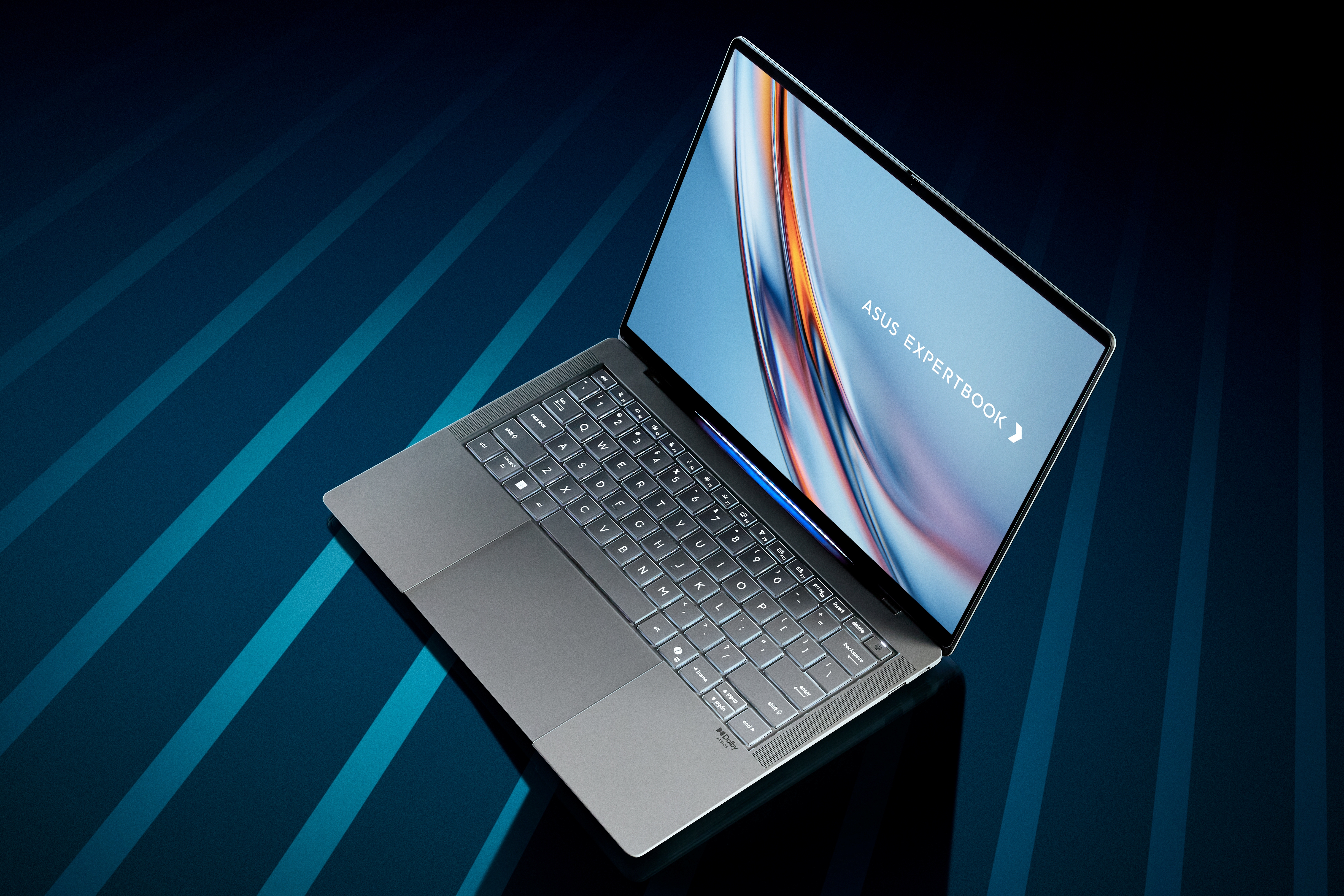
Early benchmark results for Intel’s upcoming Panther Lake-H laptop processors are starting to surface, and the first signs are encouraging ahead of wider availability expected in Q2 2026. While the headline year-over-year CPU speed gains may look modest at first glance, the real story becomes clearer once sustained performance and throttling are taken into account.
Intel is rolling out Panther Lake-H with two high-end chips positioned as direct replacements for the previous Arrow Lake-H lineup. The Core Ultra X7 358H is aimed at the same segment as the Core Ultra 7 255H, while the Core Ultra X9 388H steps in for the Core Ultra 9 285H. Much of the early excitement around Panther Lake has focused on graphics, thanks to the new integrated Arc B390 GPU and its sizeable jump over earlier integrated Arc solutions. On the CPU side, improvements are more subtle, but they can matter a lot in real-world workloads.
In early testing, an Asus ExpertBook Ultra equipped with the Core Ultra X7 358H not only posts faster results than comparable 14-inch laptops running the Core Ultra 7 255H, but it also holds onto its performance more consistently over time. That consistency is important because it suggests Turbo Boost clocks can stay higher for longer under continuous load, rather than dropping off after the initial burst.
One example comes from running Cinebench R15 xT in a loop. On the ExpertBook Ultra, scores remain relatively steady across repeated runs, indicating better sustained CPU behavior. In contrast, a thin-and-light 14-inch model using the older Arrow Lake-H platform can fall behind significantly as the test continues. In the comparison mentioned, the Lenovo Yoga Book 9 14 showed a drop that translated into nearly a 25% performance deficit once the loop exposed longer-term throttling behavior.
That stronger sustained performance doesn’t come free, though. Under heavy loads for extended periods, the Panther Lake CPU in the Asus system levels off at around 89°C. That’s noticeably warmer than what many other 14-inch laptops typically show during demanding use, where temperatures often land somewhere in the mid-70s to mid-80s Celsius. In other words, some of the extra consistency may be tied to how aggressively this specific laptop is willing to run the processor.
It’s also worth noting that these results don’t automatically guarantee every Panther Lake laptop will perform the same way. Panther Lake chips are designed to operate across multiple power envelopes to suit different laptop designs and screen sizes, which means cooling solutions and manufacturer tuning will play a major role. A thin, quiet ultrabook may prioritize lower temperatures and noise, while a performance-focused model may let the CPU run hotter to sustain higher clocks.
More Panther Lake laptops are expected to arrive in Q2 2026, including upcoming refreshed models in the MSI Prestige lineup. As more systems launch, a clearer picture will emerge of how consistent Panther Lake-H performance is across different brands, chassis designs, and thermal limits. For now, these early benchmarks suggest that while peak CPU gains may not look dramatic, Panther Lake could deliver a meaningful advantage in sustained productivity and long-running workloads—especially for buyers who care about consistent performance rather than short-lived bursts.