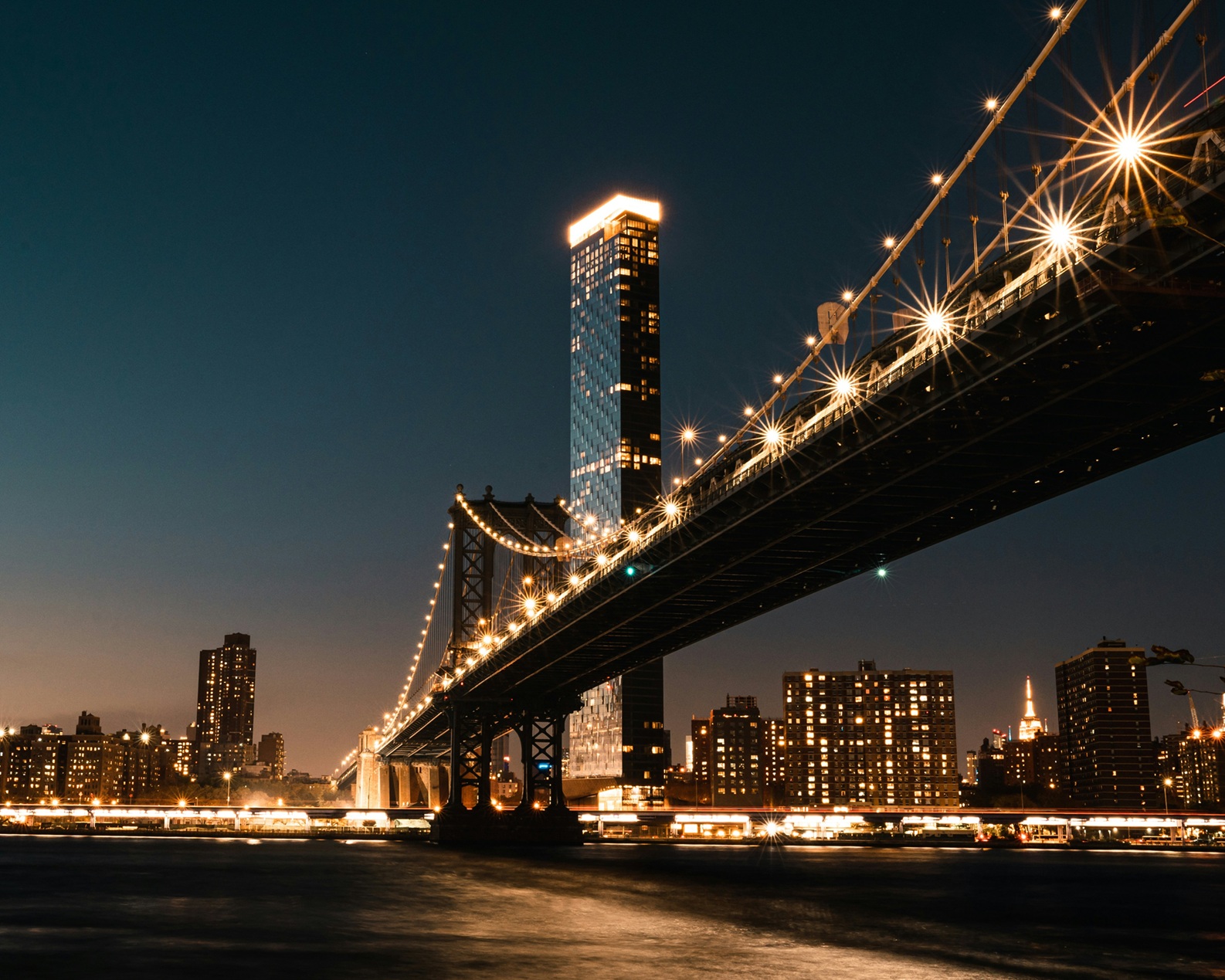
Artificial light is drowning out the Moon. Here’s what that means for people and wildlife.
For most of human history, moonlight set the tone of the night. It guided sleep, signaled tides, and cued migrations and reproduction across countless species. Today, that ancient beacon is fading behind a blanket of artificial glow. Streetlamps, billboards, stadiums, illuminated skylines, and even the phones in our hands keep nights bright, often all night long.
The scale of the problem is staggering. More than 80 percent of people now live under light‑polluted skies, and in the United States and Europe that figure jumps to 99 percent. Urban glow bleeds far beyond city limits, brightening landscapes hundreds of kilometers away. On clear nights, the lights of sprawling metro areas can be seen from national parks once known for their darkness.
Why this matters for humans
Our bodies run on tightly tuned biological clocks. The 24‑hour circadian rhythm regulates sleep, wakefulness, hormone release, metabolism, and immune function. But humans also carry traces of a slower, lunar clock—one that for millennia aligned aspects of sleep, fertility, and hormone patterns with the Moon’s cycle.
Artificial light at night (ALAN) is weakening that link. A 2025 analysis found that women’s menstrual cycles showed strong synchronization with lunar phases before 2010, a pattern that largely disappeared afterward—except in January. Researchers point to the rapid rise of blue‑rich LED lighting and heavy smartphone use after 2010. Their hypothesis: only the year’s strongest gravitational alignments in January still overcome the mounting effects of nighttime illumination, while the rest of the year the coupling is disrupted.
ALAN also interferes with melatonin, the hormone that signals darkness to the body. Suppressed melatonin is associated with poorer sleep quality, inflammation, mood disturbances, and metabolic dysfunction. In short, brighter nights can make for tired, irritable, and less healthy days.
Coral reefs and the Moon’s reproductive metronome
Corals may live underwater, but their survival depends on the sky. Entire reef communities synchronize mass spawning to lunar phases—a precision timing system refined over millions of years. When scientists replaced natural moonlight with constant light or total darkness in controlled settings, the corals’ clock genes fell out of rhythm and spawning collapsed. While this took place in a lab, reefs near brightly lit coasts could be experiencing similar disruptions, compounding other stressors like warming seas and pollution.
Small creatures, big consequences
Even tiny marine insects such as Clunio marinus time reproduction to low tides, which are governed by the Moon. These species possess internal lunar clocks that rely on monthly light cues. Under relentless illumination, those cues can vanish, throwing breeding cycles off course.
Migratory animals are also at risk. Many birds navigate by the Moon and stars; intense light near cities and coastlines can disorient flocks, drawing them into illuminated zones where collisions and exhaustion are common. Sea turtles offer another vivid example: hatchlings instinctively crawl toward the brightest horizon, historically the moonlit ocean. On artificial beaches, they head inland toward hotels and streets instead of the water.
A fraying bond with the night
From people to plankton, life evolved with reliable cycles of light and dark, sun and moon. As ALAN spreads, that deep connection is fading. Nights are seldom truly dark, and the Moon’s once‑reliable signal—so central to sleep, reproduction, and navigation—is increasingly drowned out.
What you can do to bring back the night
– Choose warmer light. Use warm‑white LEDs (ideally below 3000K) instead of bright blue‑white bulbs, which are more disruptive to humans and wildlife.
– Dim, shield, and direct. Install fully shielded fixtures that point light downward, add dimmers or motion sensors, and avoid lighting that spills into the sky or neighboring habitats.
– Light what you need, when you need it. Turn off exterior lights after hours, set timers, and avoid all‑night illumination where safety isn’t affected.
– Protect sleep spaces. Use blackout curtains and enable night modes on screens to cut blue light in the evening.
– Support dark‑sky policies. Encourage community standards for responsible outdoor lighting and advocate for preserving naturally dark areas.
Restoring darkness is not about turning off the world—it’s about lighting more wisely. When we reduce unnecessary glow, stars return, sleep improves, and nature’s lunar rhythms have a chance to recover. Bringing back the night is a simple, powerful step toward healthier people and a healthier planet.