China’s Weak Holiday Sales Show Memory Price Hikes Are Still Pressuring the Tech Market
China’s recent holiday shopping season has delivered a clear message for the consumer electronics industry: rising memory prices are still weighing heavily on demand. Despite a modest recovery in memory spot prices toward the end of May 2026, the broader market remains under pressure as tight supply and cautious consumer spending continue to shape the outlook for PCs, smartphones, servers, and other electronics.
The memory market saw sharp price swings throughout April and May, but the underlying supply-demand situation has not changed much. Supply remains tight, while demand from major sectors is uneven. As a result, memory manufacturers and device makers are still dealing with higher costs, and those costs are increasingly difficult to absorb.
Spot memory prices recovered slightly from their April lows by the end of May, suggesting that buyers are returning to the market. However, the rebound has been limited, and it does not yet point to a full recovery in end-user demand. Instead, it reflects a market that is still adjusting after months of volatility.
One of the biggest concerns now is the expected increase in third-quarter memory contract prices. Contract pricing is especially important because it affects large buyers, including PC brands, smartphone makers, cloud service providers, and data center operators. If contract prices continue to rise, many companies may face higher production costs just as consumers are becoming more selective with spending.
China’s underwhelming holiday sales add another layer of uncertainty. Holiday periods are usually important indicators of consumer appetite, especially for electronics and digital devices. Weak performance during this period suggests that shoppers may be delaying upgrades or choosing lower-priced products due to higher device prices and broader economic caution.
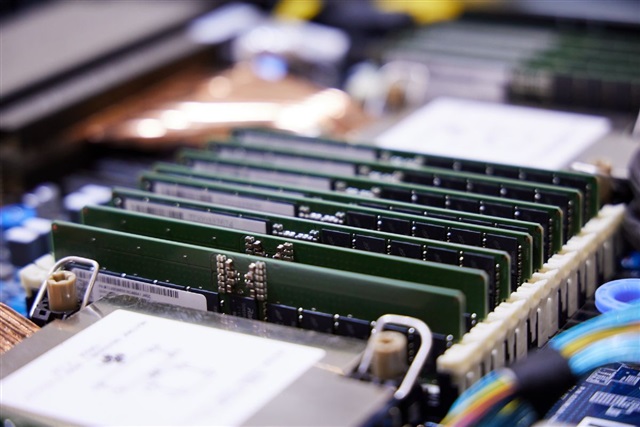
Memory chips are essential components in nearly every modern device. DRAM is used for system performance in PCs, smartphones, gaming devices, and servers, while NAND flash powers storage in phones, SSDs, tablets, and data centers. When memory prices rise, the impact spreads across the entire technology supply chain.
For consumers, this can mean higher prices for laptops, smartphones, tablets, gaming hardware, and solid-state drives. For manufacturers, it creates a difficult balancing act: raise prices and risk weaker demand, or absorb the higher costs and accept thinner profit margins.
The current market situation is also being influenced by demand from artificial intelligence and high-performance computing. AI servers require large amounts of advanced memory, and this demand has tightened supply for certain types of DRAM and high-bandwidth memory. While AI growth is positive for memory suppliers, it can also create supply pressure in other parts of the market.
At the same time, traditional consumer electronics demand remains softer than expected. The PC market has shown signs of recovery, but the improvement is gradual. Smartphone demand is also uneven, with consumers holding onto devices longer and becoming more careful about upgrades.
This split market is creating a complex pricing environment. On one side, AI and server demand are supporting higher memory prices. On the other side, weak consumer electronics sales are limiting how much pricing power device makers really have.
Looking ahead, the third quarter of 2026 could be a crucial period for the memory industry. If contract prices rise significantly, manufacturers may need to adjust product pricing or reduce component purchasing. If demand remains soft, buyers could push back against aggressive price increases, slowing the pace of recovery.
For now, the memory market remains tight, but not fully strong. Prices have recovered from April’s weaker levels, yet consumer demand has not improved enough to remove concerns. China’s disappointing holiday sales highlight the risk that higher component costs may continue to suppress electronics purchases.
The next few months will show whether the market can absorb higher memory prices or whether rising costs will further slow the recovery in consumer technology demand. For buyers, manufacturers, and investors, memory pricing will remain one of the most important trends to watch through the second half of 2026.