In recent years, China’s semiconductor industry has undergone transformative growth, particularly in response to U.S. sanctions aimed at curbing its technological advancements. With a renewed focus on self-reliance and innovation, Chinese chipmakers are closing in on their global counterparts. An insightful analysis reveals that China trails just three years behind Taiwan’s TSMC in reaching semiconductor parity.
The narrative of “Made in China” has taken on new significance, driving major firms like Huawei to bolster domestic production capabilities. Despite numerous obstacles, the evolution of China’s semiconductor sector is evident, demonstrating resilience and progress toward global competitiveness.
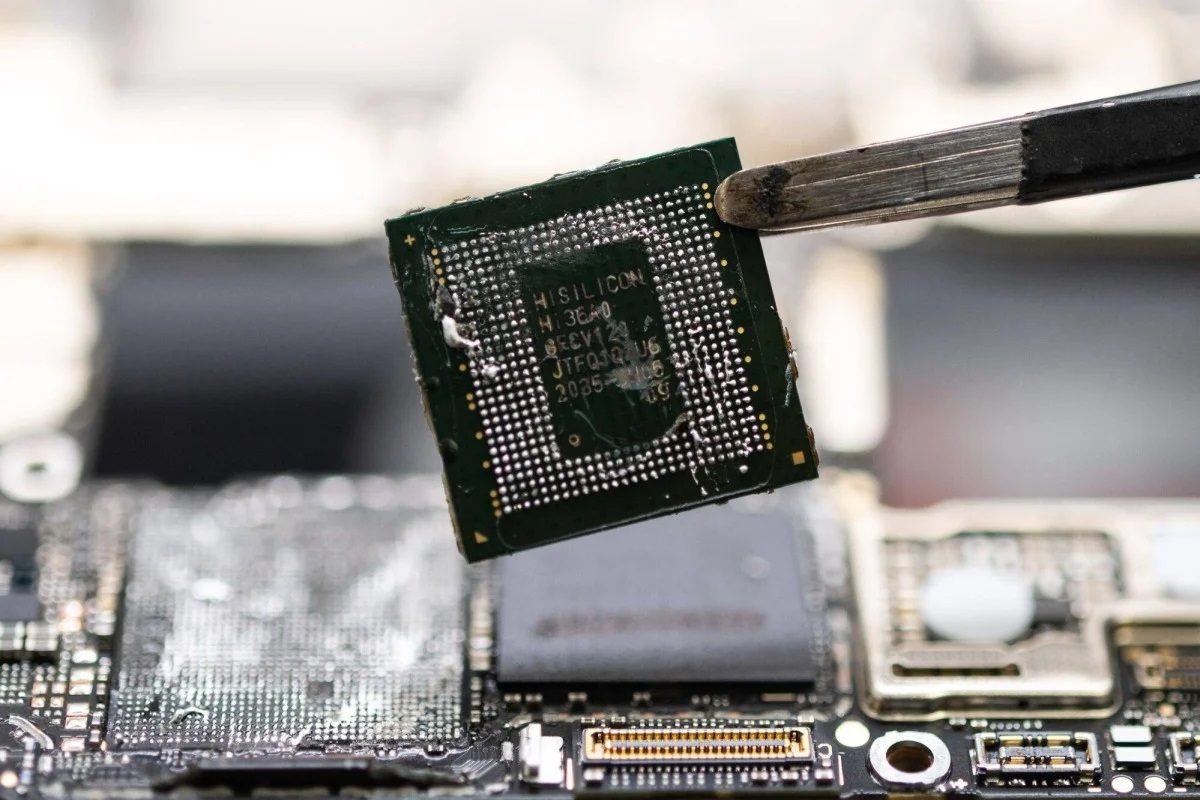
A study by Hiroharu Shimizu, the CEO of TechanaLye, a semiconductor research firm based in Tokyo, compares chips from TSMC and China’s premier semiconductor producer, SMIC. The analysis highlights the subtle yet critical advancements made by SMIC. For instance, Huawei’s Kirin 9010 SoC, manufactured by SMIC, is evaluated alongside the Kirin 9000 SoC, produced using TSMC’s technology.
Despite the Kirin 9010 being built on SMIC’s 7nm process and the Kirin 9000 on TSMC’s 5nm process, SMIC manages to narrow the performance divide through innovative chip design in collaboration with Huawei’s subsidiary, HiSilicon. This achievement underscores SMIC’s capability to rival TSMC, even when utilizing ostensibly less advanced technology and equipment.
Further emphasizing the strides made by China’s semiconductor industry, 2023 saw Chinese firms account for over 34.4% of global chipmaking equipment production—a figure that far exceeds contributions from South Korea and Taiwan. China’s expanding manufacturing capacity is significant enough that ASML’s CEO noted the importance of China’s “legacy chips” for meeting worldwide demand, particularly in Europe.
Talks are rife about a potential breakthrough by SMIC in its 5nm process, purportedly achieved without using DUV equipment, albeit facing challenges related to yield rates and costs. While SMIC still has hurdles to overcome to match TSMC’s market position fully, the rapid advancements in China’s semiconductor landscape suggest that it won’t be long before China reaches a similar level of influence and capability in the global semiconductor industry. However, numerous hurdles need to be addressed before that milestone is achieved.
The ongoing development within China’s semiconductor industry is a testament to its determination and capacity for innovation. As the country continues to ramp up its efforts, the global market watches closely, anticipating when China will take its place beside Taiwan as a leader in semiconductor technology.
Share this story on Facebook and Twitter to join the conversation.