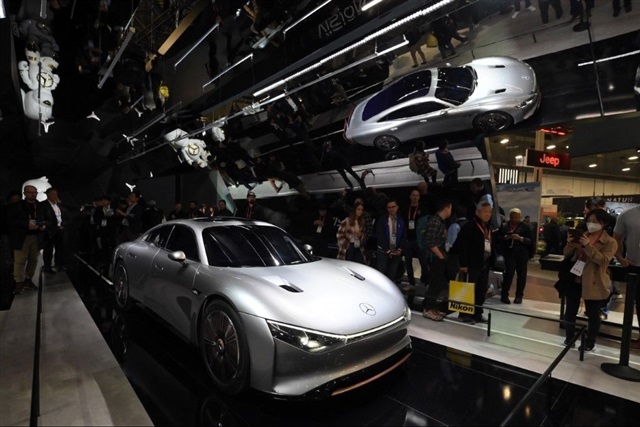
China has recently stepped into the spotlight of the global trade stage after reports emerged suggesting the economic giant is contemplating a significant move in the automotive arena. In what appears to be a strategic measure in an ongoing international trade dispute, China is reportedly weighing the option of leveraging a 25% tariff on imports of large-engine fuel vehicles from Europe, which would primarily affect cars with engines exceeding 2.5 liters in capacity.
The possibility of this tariff imposition illustrates a brewing tension in international trade, especially within the automotive sector, and reflects China’s willingness to use trade tariffs as a countermeasure in broader economic conflicts. Beijing’s indicated approach specifically targets a segment of the industry that traditionally hinges on high-performance and luxury automotive imports, a niche where European manufacturers are historically dominant.
### Implications for the Automotive Industry
The repercussions of such a move could be far-reaching. European carmakers, many of which rely heavily on the Chinese market for a significant share of their sales, could find themselves at a competitive disadvantage. This may prompt a shift in their export strategies or an increase in prices for European luxury vehicles in China.
Car manufacturers might also explore new avenues such as accelerating the development of smaller, more efficient engines or bolstering the innovation and production of electric vehicles (EVs), a sector where China has intense interest and investment.
### Navigating the Automotive Tariff Landscape
Considering the potential changes in the trade landscape, companies and consumers alike should prepare for the impacts of these developments. Manufacturers may need to evaluate supply chains, production costs, and pricing structures to adjust to the implementation of such tariffs.
It will be key for businesses involved in the automotive industry to stay informed and agile, ready to respond to shifting trade policies. They should monitor the situation closely and be prepared to negotiate with trade partners or adapt their market strategies.
For consumers, especially those in China with a preference for European luxury cars, the looming tariffs could serve as a catalyst for exploring alternative options. Potential buyers may consider purchasing vehicles within the country or turn their focus toward other international brands that may not be affected by the tariffs. Embracing electric vehicles, which China is fostering growth in, could also emerge as a viable option.
### Conclusion
The proposed tariff hike by China is a clear indicator of the dynamic and often unpredictable nature of international trade relations. By understanding the intricacies of these trade debates and by considering their immediate and broader impact, automakers, suppliers, and consumers can better navigate this complex landscape. Further, as the situation evolves, staying abreast of the latest developments and trends will provide industry stakeholders and prospective buyers with the insights necessary to make informed decisions in a market influenced by both policy shifts and technological progress.