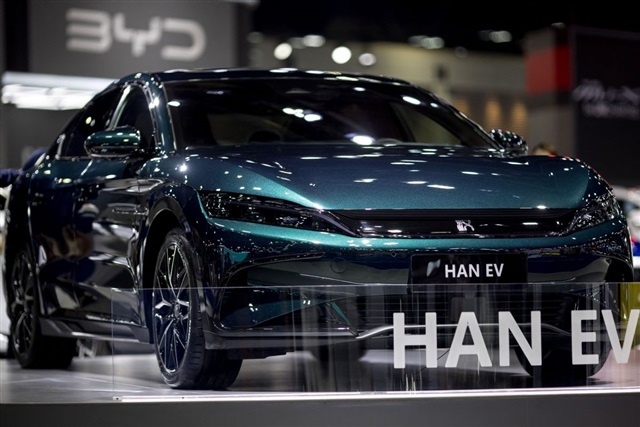
The European Union and its Stance on BEVs from China
The dynamic automotive sector is witnessing a significant policy development from the European Union (EU). The EU has signaled an intention to impose additional tariffs of up to 38.1% on battery electric vehicles (BEVs) manufactured in China. Expected to take effect on July 4, this step is a remarkable change in the trading landscape for electric vehicles.
Understanding the Motive Behind EU’s Tariff Decision
This decisive move by the EU seems to be grounded in a blend of economic protectionism and a strive towards sustainable automotive practices within its member states. The possibility of imposing these tariffs on Chinese-made BEVs suggests a bid to encourage local production, support European car manufacturers, and perhaps, a strategic play to ensure technology transfer standards are met.
The tariffs might also be tackling the aspect of unfair competition. European regulators have long been wary of the advantages Chinese manufacturers might hold due to alleged state subsidies that could constitute unfair pricing practices and market distortion in the global market.
Negotiations on the Horizon
The specified date for the tariff implementation indicates a window period for negotiations. This is an opportunity for EU member states, the Chinese government, and stakeholders in the automotive sector to engage in dialogue to resolve outstanding disputes that could be the catalysts for the proposed tariffs.
Impact on the Global BEV Market
Should these tariffs be enforced, the repercussions on the global market for battery electric vehicles could be substantial. It might deter Chinese carmakers from penetrating the European market, which is a significant consumer of environmentally friendly vehicles. Moreover, it could lead to a reshuffle in global supply chains and the strategic directions of car manufacturers, influencing production and pricing structures.
On the flip side, European BEV manufacturers may benefit from reduced competition, potentially leading to an acceleration in local innovation and increased investment in the European automotive industry.
Implications and Strategies for Consumers and Manufacturers
For consumers, the looming tariffs may imply a shift in the market offerings and possible price changes for electric vehicles. It’s essential for potential buyers to stay informed about the developments, as this could influence the timing of their purchase decisions and the options available to them.
Manufacturers, particularly those outside the EU, may need to reconsider their strategies, possibly exploring partnerships, local production within the EU, or engaging in research and development to enhance their competitive edge.
The Path Forward
As the discussions unfold and the July deadline approaches, the automotive industry and the market at large will be closely monitoring the situation. The real intention behind the EU’s proposed tariffs appears to be multifaceted, aiming not just at market regulation but also at fostering a more localized and sustainable electric vehicle industry.
The Future of BEVs and EU’s Role
Ultimately, the outcome of these negotiations and the potential implementation of tariffs will play a crucial role in shaping the future of the battery electric vehicle industry, not only in Europe but globally. Observers will be keen to see how this move accelerates the EU’s transition towards a green mobility future and how it will impact the global commitment to sustainable transport solutions.


