China Cracks Down on Fake EV Crash Videos as Xiaomi Battles AI-Generated Rumors
China is intensifying its campaign against social media creators who publish fake electric vehicle crash footage, staged safety failures, or misleading rumors about driver-assistance systems. The crackdown comes as automakers face growing pressure from viral posts that can quickly damage public trust, especially in the highly competitive Chinese EV market.
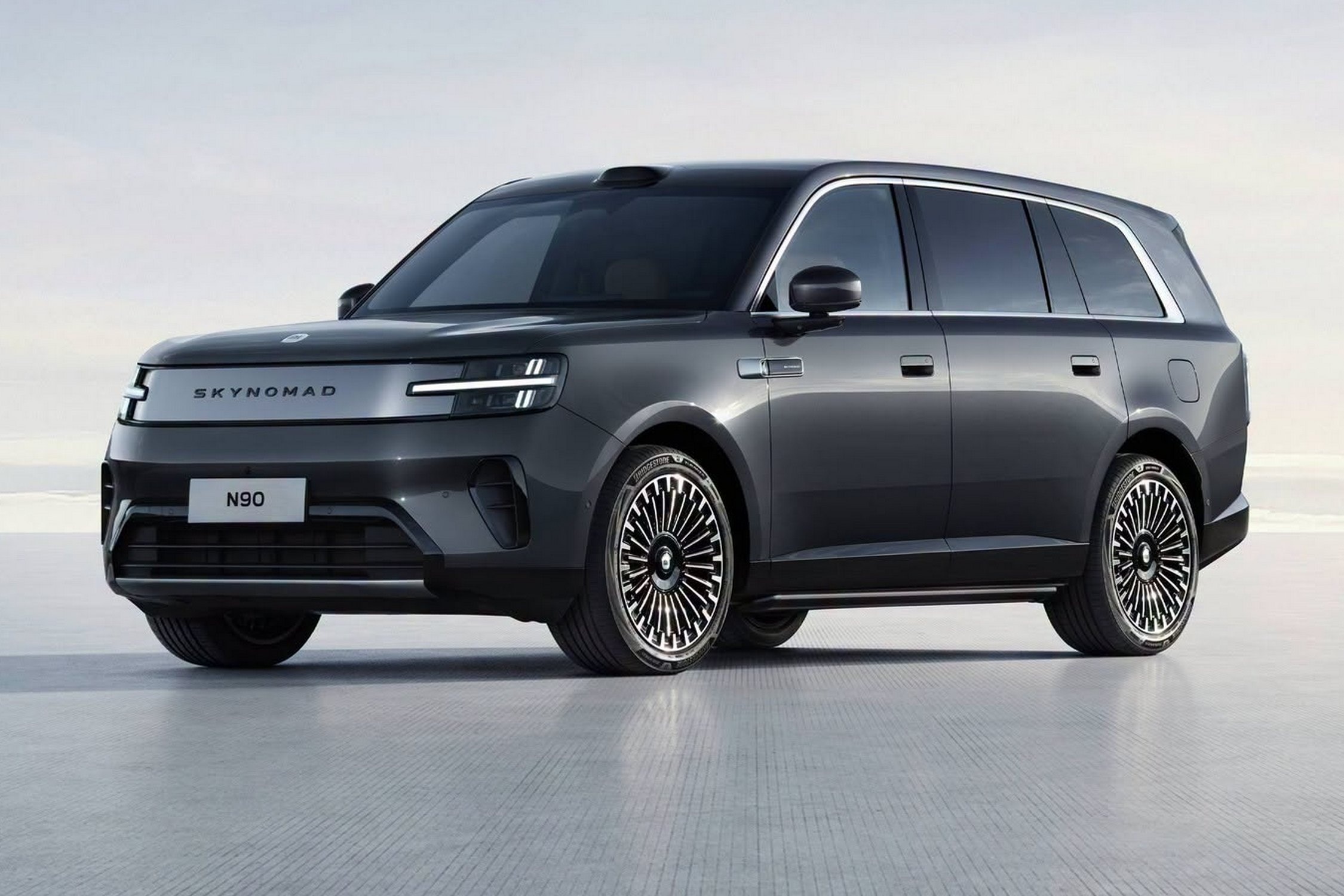
One of the companies at the center of the controversy is Xiaomi’s electric vehicle division. As Xiaomi prepares for the launch of its Skynomad EREV lineup, the brand has repeatedly reported online smear campaigns targeting its vehicles, executives, and safety reputation.
In the latest case, Chinese authorities penalized two users accused of creating fabricated crash test videos that falsely suggested Xiaomi vehicles performed poorly in a collision. Police issued administrative detentions and fines, while Xiaomi confirmed that the misleading posts had been removed.
The problem appears to go beyond a few isolated posts. Earlier this year, authorities in Xi’an uncovered a larger operation involving three MCN content agencies and more than a dozen individuals. Investigators accused the group of producing AI-generated videos and social media posts at scale, many of them aimed at damaging Xiaomi’s image. Several suspects were detained, and equipment was reportedly seized.
Xiaomi has warned that using artificial intelligence to spread false information will bring serious consequences. The company’s message is clear: fake EV crash videos, manipulated safety claims, and malicious rumors will not be treated as harmless online content.
The rise of AI-generated misinformation is becoming a serious issue for China’s electric vehicle industry. Some drivers have attempted to blame drunk driving, reckless behavior, or accidents on autonomous driving features, braking failures, or sudden acceleration claims. In a market where safety trust is crucial, even a single viral video can influence consumer confidence.
Xiaomi is not the only automaker dealing with this type of attack. NIO has also reported a wave of fabricated content spread through social media accounts. Police recently arrested a suspect accused of using AI tools to distribute false information about NIO across thousands of accounts, generating tens of millions of views.
NIO has also filed civil defamation cases against bloggers and has pointed to similar attacks targeting its Onvo brand and battery swap network. The timing of some of these campaigns, often appearing close to new vehicle launches, has raised concerns about coordinated efforts to disrupt automakers during critical sales periods.
BYD has taken legal action as well. The company recently won a court ruling against a blogger accused of spreading false claims about its vehicle components. These cases show that China’s EV makers are increasingly willing to fight online misinformation through both police action and civil lawsuits.
For Xiaomi, the stakes are especially high. The Skynomad EREV models mark the company’s first major move into extended-range electric vehicles, a fast-growing segment in China. These vehicles are designed to offer long electric-only driving range before a gasoline generator provides additional power, making them attractive to families and long-distance drivers.
Because extended-range EVs are often marketed as practical family vehicles, safety perception is a major factor in buying decisions. False crash footage or fake braking failure claims could harm early sales momentum, even if the claims are later proven untrue.
China’s EV sector has become one of the most competitive auto markets in the world. As brands fight for attention, launch new models, and invest heavily in smart driving technology, the battle for public trust has moved online. Short videos, AI-generated posts, and influencer commentary can shape public opinion faster than traditional advertising.
Authorities now appear determined to send a warning: creators who fabricate crash footage or spread malicious EV rumors may face detention, fines, lawsuits, and public exposure.
Whether these campaigns are driven by individual clout-chasing, commercial rivalry, or more organized efforts remains unclear. What is clear is that Xiaomi, NIO, BYD, and other Chinese electric vehicle brands are no longer ignoring viral misinformation.
As AI tools make fake content easier to produce and harder for the average viewer to identify, China’s crackdown on EV disinformation may become an important test case for the auto industry. For consumers, it is also a reminder to treat dramatic crash videos and sensational vehicle failure claims with caution until verified facts are available.