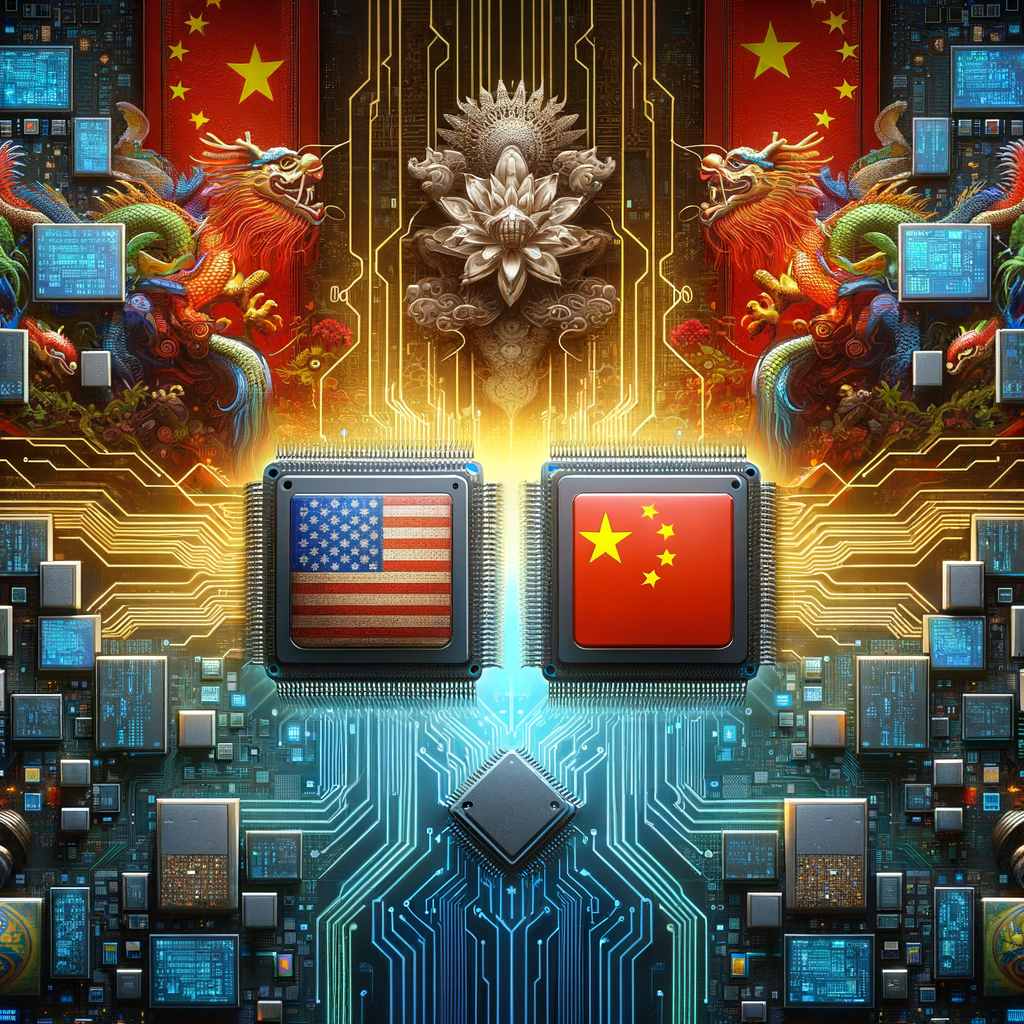
In a move aimed at bolstering domestic technology and reducing reliance on foreign chips, China has initiated a phase-out of AMD and Intel hardware from its government computers and servers. With a focus on transitioning to local technology, China’s decision represents a significant change in its procurement strategy, in line with a broader push for technological self-sufficiency.
The recent shift comes against the backdrop of heightened tensions and an extended economic tussle between China and the United States. The Chinese government has long been a significant customer for high-tech US companies, incorporating hardware from industry leaders AMD and Intel, as well as operating systems and software from Microsoft, into its infrastructure. However, looking ahead, China is now prioritizing homegrown solutions as replacements for these critical technology components.
New procurement guidelines issued recently by the Chinese authorities stipulate that the government’s personal computers and servers must be configured using “safe and reliable” parts. This encompasses processors, operating systems, and centralized database solutions, all sourced from domestic companies. These guidelines suggest a future where Chinese technology takes precedence and aligns with a broader initiative to compile a list of approved vendors, which will remain effective until 2027.
While it might seem that transitioning to local processors for running current Windows-based systems is a straightforward process, the challenge lies in substituting the entire software ecosystem. The roadmap for this transition is still unclear, including what alternatives will be adopted and how smoothly the shift will occur in the long haul.
For those with an interest in China’s internet regulation, the book “The Great Firewall of China: How to Build and Control an Alternative Version of the Internet” offers insightful analysis on the subject. It provides context to the wider narrative of China’s aspirations to carve out an independent digital identity and infrastructure.
As these developments unfold, it’s important to consider the implications for global technology markets and the potential shifts in both supply and demand that may result. It will be instructive to observe how China’s push for domestic tech affects its relationships with foreign technology providers and the broader geopolitical landscape.