In the ever-evolving world of technology and semiconductors, the week of May 12 to May 18 brought some intriguing developments. Here’s a look at the key stories that are shaping the global tech landscape.
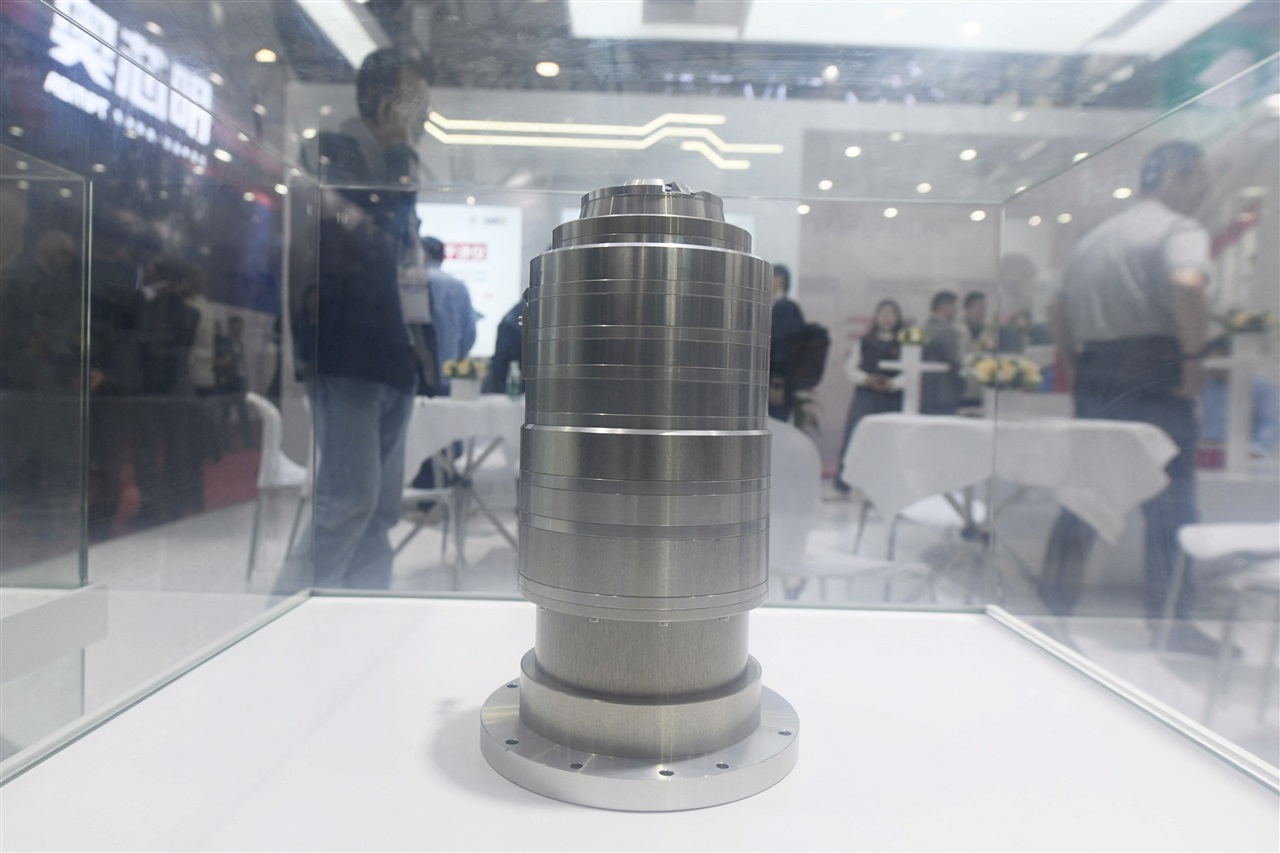
China is making strides in domestic DUV lithography as it seeks independence from US export controls. In September 2024, they unveiled a 193nm dry ArF system with a 65nm resolution and 8nm overlay accuracy. Although this technology still lags behind global standards, it’s a significant step for China’s semiconductor ambitions. Efforts are being spearheaded by the Chinese Academy of Sciences and Beijing RSLaser. Rumors hint that SMEE might have developed a 28nm immersion prototype, signaling China’s commitment to self-sufficiency in semiconductors, though the technology remains years from maturity.
Samsung Electronics gained significant traction by securing an 8nm foundry order from Nintendo for the Switch 2, which is expected to ship 15 million units in fiscal 2025. This deal paves the way for potential future orders from Nvidia and Qualcomm. Samsung is also advancing its 2nm process, with current yields between 40%-50% and aims to boost them to 60% for mass production. With 5nm orders shifting their way due to competitive pricing and faster delivery, Samsung is set to ramp up its production lines by the latter half of 2025.
In the power semiconductor market, Chinese companies are climbing the ranks as European giants lose traction. Silan and BYD have risen to notable positions, driven by strong revenue and impressive electric vehicle sales. Despite local chip self-sufficiency still under 15%, China is pushing to reach 25% by 2025, supported by government initiatives.
TSMC is making bold moves by planning the construction of eight new fabs and an advanced packaging plant to cater to the skyrocketing demand for AI and HPC technologies. Their 2nm facilities in Hsinchu and Kaohsiung are set to start production soon, while the Taichung Fab 25 aims for a 2028 launch. MediaTek is also embracing future trends with advancements in LLMs, edge computing, and 6G, reflecting the growing need for energy-efficient technologies.
The collaboration between MediaTek and Nvidia is set to unveil a joint AI PC platform in 2025. Featuring the GB10 Grace Blackwell chip for Nvidia’s Project Digits, the initiative will venture into sectors like edge AI and smart vehicles with backing from major global players. However, there’s concern over talent migration to Nvidia, which could impact MediaTek’s prospects.
TSMC approved a significant equipment sale, valued at approximately $71 million, to the VisionPower Semiconductor Manufacturing Company (VSMC) in Singapore. A joint venture with Vanguard International Semiconductor and NXP Semiconductors, this venture aims for mass production by 2027.
In Europe, cybersecurity concerns are prompting discussions about banning Chinese solar inverters, primarily from Huawei and Sungrow. With a large portion of Europe’s inverters sourced from China, worries about potential remote disruptions are at the forefront. Proposals for enhanced security measures are being considered, though critics warn that a ban could lead to increased costs. The European Commission is working to address these risks to ensure grid stability.


