OpenAI Smart Speaker Could Bring ChatGPT Into the Home With a Moving, More Personal Design
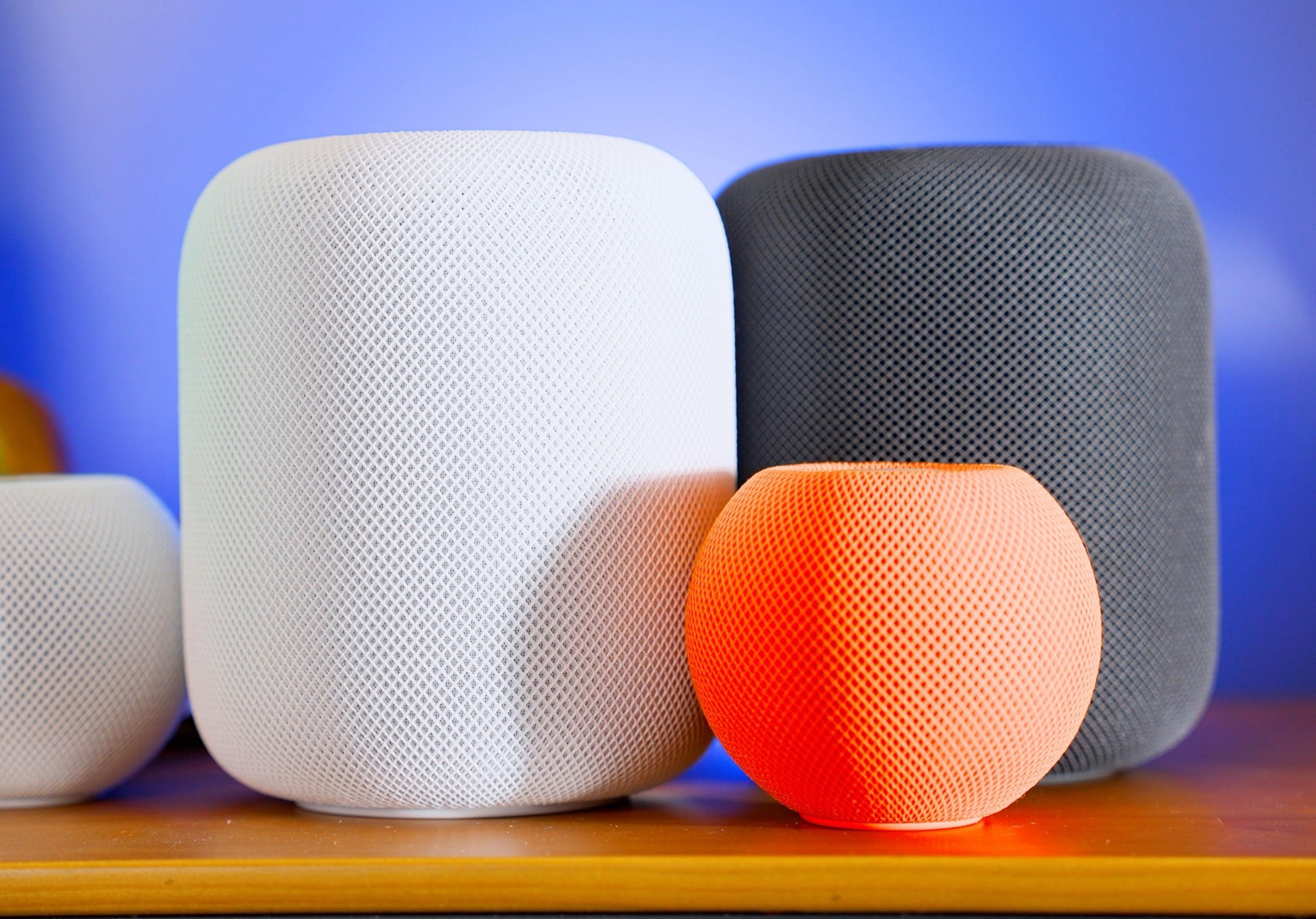
OpenAI is reportedly preparing to enter the smart home hardware market with a new AI-powered smart speaker designed to compete with devices such as the Apple HomePod and Amazon Echo Studio. The product is expected to be one of OpenAI’s first major consumer hardware launches and could arrive as early as 2027.
According to recent reports, the upcoming OpenAI smart speaker may be priced between $200 and $300, placing it in the premium smart speaker category. However, OpenAI appears to be aiming for more than just another voice-controlled music speaker. The device is said to include several standout features that could make it feel more interactive, personal, and lifelike than current smart home assistants.
One of the most interesting rumored features is the use of motorized moving parts. These internal motors could allow the speaker to physically react when users speak to it, helping it feel “more alive” during conversations. While exact design details remain unknown, this could give the device a stronger sense of presence compared with traditional stationary smart speakers.
The biggest difference, however, is expected to be the voice assistant. Instead of relying on a conventional assistant like Alexa or Siri, OpenAI’s speaker is said to use a ChatGPT-based assistant. This could allow for more natural conversations, smarter responses, and deeper personalization over time.
The device may be designed to learn about the user’s habits, preferences, schedule, and needs. Reports suggest it could even use personal information, such as emails, to provide more useful answers and reminders. If true, that would make privacy and data control a major focus for the product, especially as AI devices become more deeply connected to everyday life.
OpenAI’s smart speaker is also expected to include a camera and additional sensors, allowing it to understand its surroundings. This could help it detect people in a room, respond more naturally to context, or support future AI-powered home features. Combined with ChatGPT, these sensors could make the speaker feel less like a simple command-based device and more like an intelligent home companion.
Portability may be another major selling point. Unlike many smart speakers that are meant to stay plugged in, OpenAI’s speaker is reportedly being designed with a rechargeable battery. That would allow users to move it from the kitchen to the living room, bedroom, office, or even outside, making it more flexible than many current smart home speakers.
Despite its advanced AI features, the device is still expected to handle the standard tasks people expect from a smart speaker. That includes playing music, answering questions, managing reminders, controlling smart home devices, and helping with everyday tasks around the house.
The project is reportedly being developed with input from former Apple design chief Jony Ive, whose involvement suggests that OpenAI may be placing strong emphasis on both appearance and user experience. OpenAI has also reportedly hired hundreds of former Apple engineers, giving the company a large hardware development team as it pushes beyond software and into consumer devices.
If the rumors prove accurate, OpenAI’s smart speaker could become one of the most important AI gadgets of the next few years. By combining ChatGPT, a portable design, environmental awareness, and physical movement, the device may offer a fresh take on what a smart speaker can be.
With a possible 2027 launch window and a price range aimed at premium buyers, OpenAI appears to be positioning its smart speaker as more than a home audio product. It could be the company’s first major step toward bringing conversational AI into everyday living spaces in a more natural and personal way.