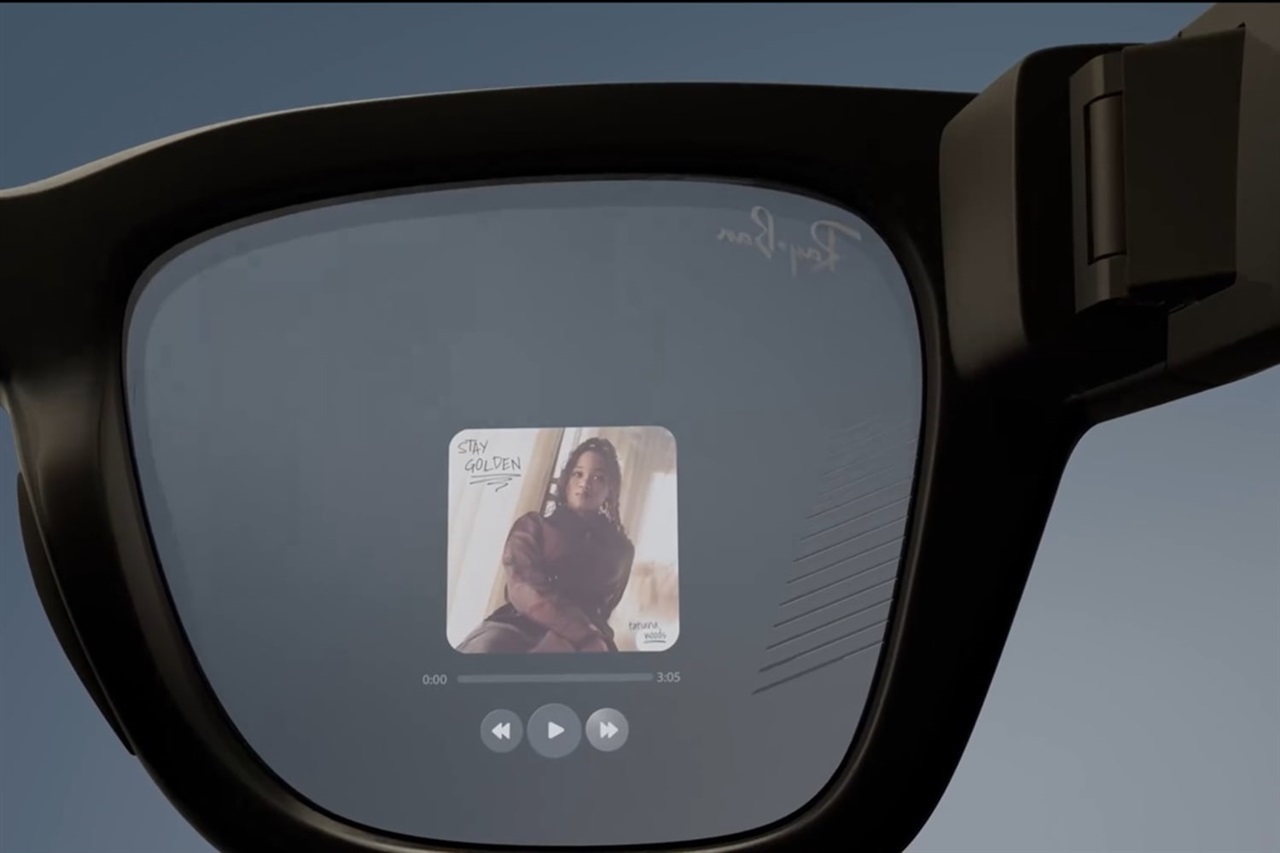
Meta stepped onto the CES 2026 stage with a clear goal: position its AI wearables as serious tools for the workplace, not just flashy consumer gadgets. The company used the show to reveal a set of enterprise-focused upgrades designed to make its wearable ecosystem more practical for real-world business environments, from smoother day-to-day workflows to more scalable deployments for larger organizations.
But while the announcements signaled momentum for Meta’s wearable strategy, the rollout wasn’t without friction. A major logistical shift overshadowed parts of the presentation, highlighting a bottleneck that could slow how quickly these AI wearables can be delivered, supported, or expanded at scale—especially for enterprise buyers that prioritize consistency, supply reliability, and predictable timelines.
CES 2026 made one thing especially clear: interest in AI-powered wearables is accelerating, and Meta wants to capture that demand with more robust, business-ready capabilities. At the same time, the constraints exposed by the logistical pivot underline the toughest challenge in the category right now—turning promising AI wearable technology into a dependable, widely available product ecosystem that can keep up with enterprise expectations.
For Meta, the message coming out of CES is a mix of ambition and reality. The company is pushing its wearable platform forward with meaningful enterprise-grade updates, yet the path to mass adoption may hinge on solving the behind-the-scenes operational hurdles that determine whether those devices can reach customers smoothly and at the scale the market is starting to demand.


