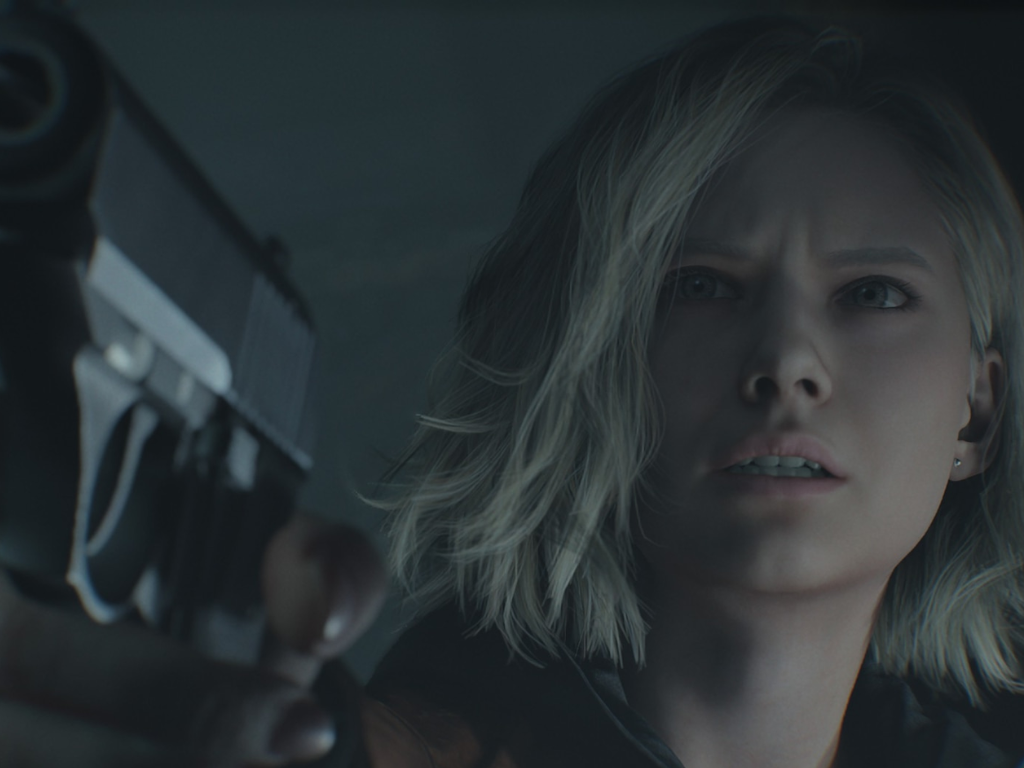
Capcom is treating the recent controversy around Nvidia’s DLSS 5 showcase for Resident Evil: Requiem as an unexpected compliment, not a crisis.
In a new interview, Requiem director Koshi Nakanishi explained that the intense fan pushback to the DLSS 5 “enhanced” look of newcomer Grace Ashcroft actually reassured the development team. The reaction, he suggested, proved that players connected with Capcom’s original character design and didn’t want it “improved” into something else. For the studio, that kind of protectiveness is a sign they landed the character the way they hoped.
The debate kicked off weeks after Resident Evil: Requiem launched on February 27, 2026, when Nvidia revealed a DLSS 5 real-time neural-rendering tech demo featuring side-by-side comparisons of the game’s two leads: series icon Leon S. Kennedy and new FBI agent Grace Ashcroft. While the demo was meant to highlight cutting-edge visual enhancements, many fans focused on how different Grace looked.
The “upgraded” version of Grace quickly became the lightning rod. Viewers pointed out noticeably sharper facial features, different-looking eyes, and fuller lips—changes that made her feel less like the in-game character and more like a heavily filtered social-media makeover. The internet backlash framed it as a “yassified” redesign that clashed with the tone and identity Capcom had already established for her in Resident Evil: Requiem.
As the criticism grew, even Nvidia’s leadership weighed in publicly. CEO Jensen Huang initially dismissed the complaints, suggesting fans were wrong about what the tech was doing. Later, he appeared to soften his stance, saying he personally opposes “generative AI slop” and emphasizing that new rendering tools should preserve creators’ artistic control rather than replace it.
Inside Capcom’s Requiem team, the strong response was interpreted in a very different way. Nakanishi and producer Masato Kumazawa said the uproar made them feel confident that Grace Ashcroft’s original look and personality resonated with players right away—something the director had worried about, given how difficult it can be for a brand-new Resident Evil protagonist to win over long-time fans.
Nakanishi highlighted why Grace has connected with audiences: she’s emotionally expressive, visibly shaken by the horror unfolding around her, and grounded in a way that makes her easy to root for. Instead of feeling like an untouchable action hero, she reacts like someone thrown into an unbearable situation—bringing a relatable human core to the fear and chaos.
Kumazawa also noted that the flood of comments defending Grace’s original design was, in itself, a positive signal. When players care enough to argue that a character shouldn’t be altered, it suggests the character has already become recognizable—and even a favorite. In other words, the backlash wasn’t only about a graphics demo. It was about fans feeling that Capcom’s version of Grace Ashcroft is the one that belongs in Resident Evil: Requiem.