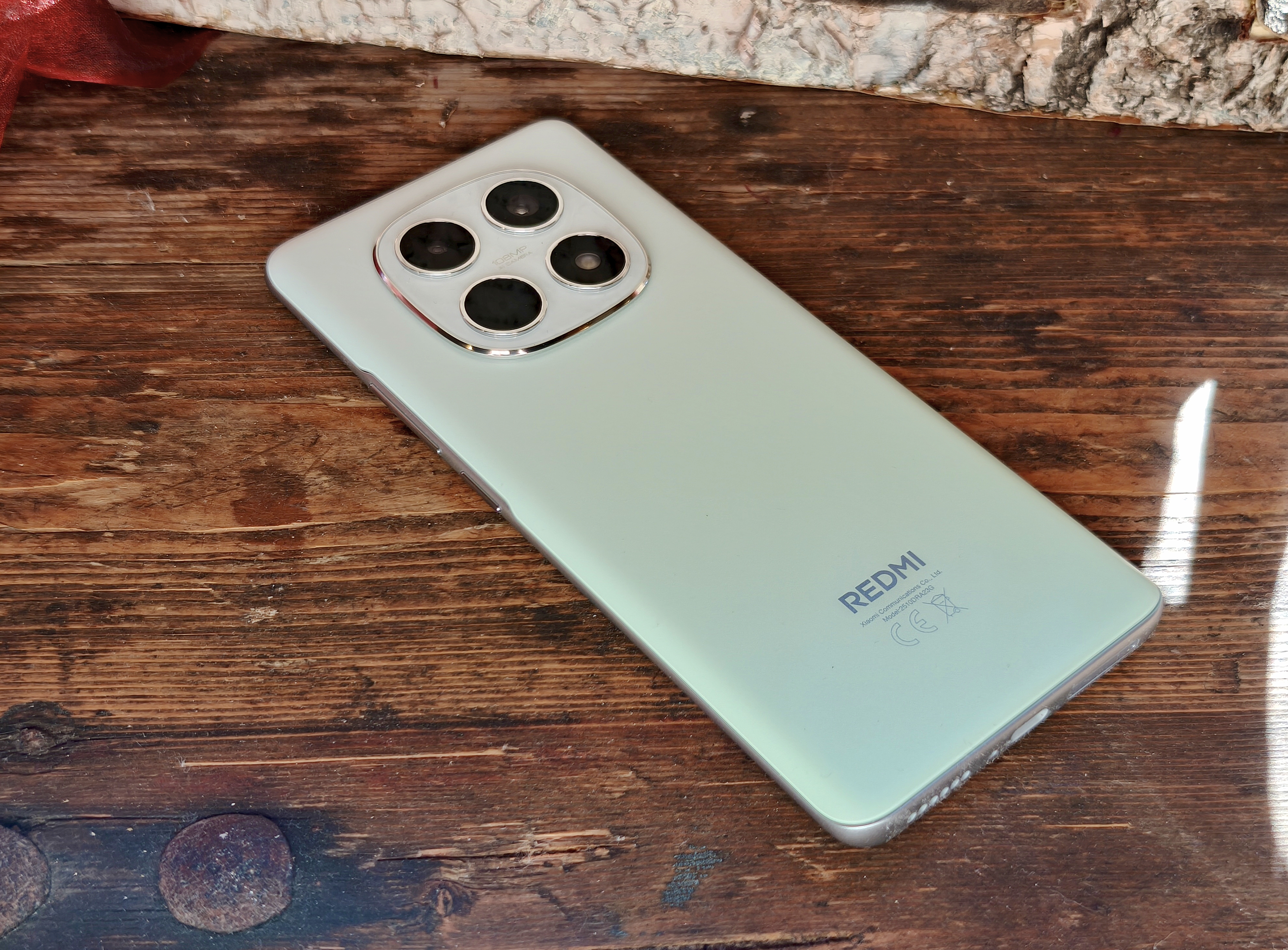
Budget smartphones aren’t the compromise they used to be. These days, even affordable models can feel quick enough for everyday apps, offer battery life that comfortably lasts through a full day, and receive security updates that are far closer to what you’d expect from pricier phones. New EU rules around software support have also helped push the entire market in a better direction, which is great news if you’re shopping on a tighter budget.
The Xiaomi Redmi Note 15 4G is a good example of how much you can get for less. It’s built around a surprisingly bright display and even supports HDR, a feature that still isn’t guaranteed in this price range. On top of that, it covers a wide selection of 4G bands, which can matter a lot for reliable reception depending on where you live and travel. There’s also wired reverse charging onboard, a handy extra if you ever need to top up accessories (or another phone) in a pinch.
Where budget phones still tend to stumble: the camera
Even with all the progress in performance, screens, and battery endurance, cameras remain the place where manufacturers most often cut costs. Camera sensors and optics in cheaper phones have improved a lot over the past few years, but they still typically fall behind mid-range and flagship models for consistency, fine detail, and flexibility in difficult lighting.
So how does the Redmi Note 15 4G hold up in real-world shots? The answer is: it can take impressive photos, but the results aren’t always dependable.
Xiaomi Redmi Note 15 4G camera setup: what you’re getting
On paper, a 108MP main camera sounds like a huge win. In practice, that full 108MP resolution is only available in a dedicated mode. When you use it, the phone sacrifices light sensitivity because the pixels are very small.
Most of the time, the camera uses pixel binning, combining 9 pixels into 1 to create brighter, more light-friendly shots. That produces 12.5MP photos, which is still more than enough for social media, messaging apps, and even decent-sized prints.
There’s also a second rear sensor, but it’s not designed to take standalone photos. Instead, it acts as a support sensor for the main camera. For selfies, you get a 20MP front-facing camera.
In good conditions, the Redmi Note 15 4G can deliver photos that look genuinely sharp and pleasing. Certain shots can come out with a lot of detail, making the phone feel like it’s punching above its price tag.
But the camera can also be unpredictable. In one situation, a streetlight photo may look crisp and detailed, while a landscape scene across a river can end up oddly soft. Background trees may lose contrast and look a bit washed out, even when you’d expect them to remain defined. Close-up shots—like flower heads—can look attractive and vibrant, although a more expensive camera would likely capture finer textures and small details more clearly.
The takeaway for buyers
If you’re considering the Xiaomi Redmi Note 15 4G, the camera is capable of producing really nice photos—especially for the money—but it’s not the kind of camera you can count on for consistently sharp results in every scene. For everyday snapshots, social posts, and casual photography, it can be a solid budget-friendly option. If camera reliability is your top priority, though, you may want to look at higher-priced models where the imaging hardware and processing tend to be more consistent.