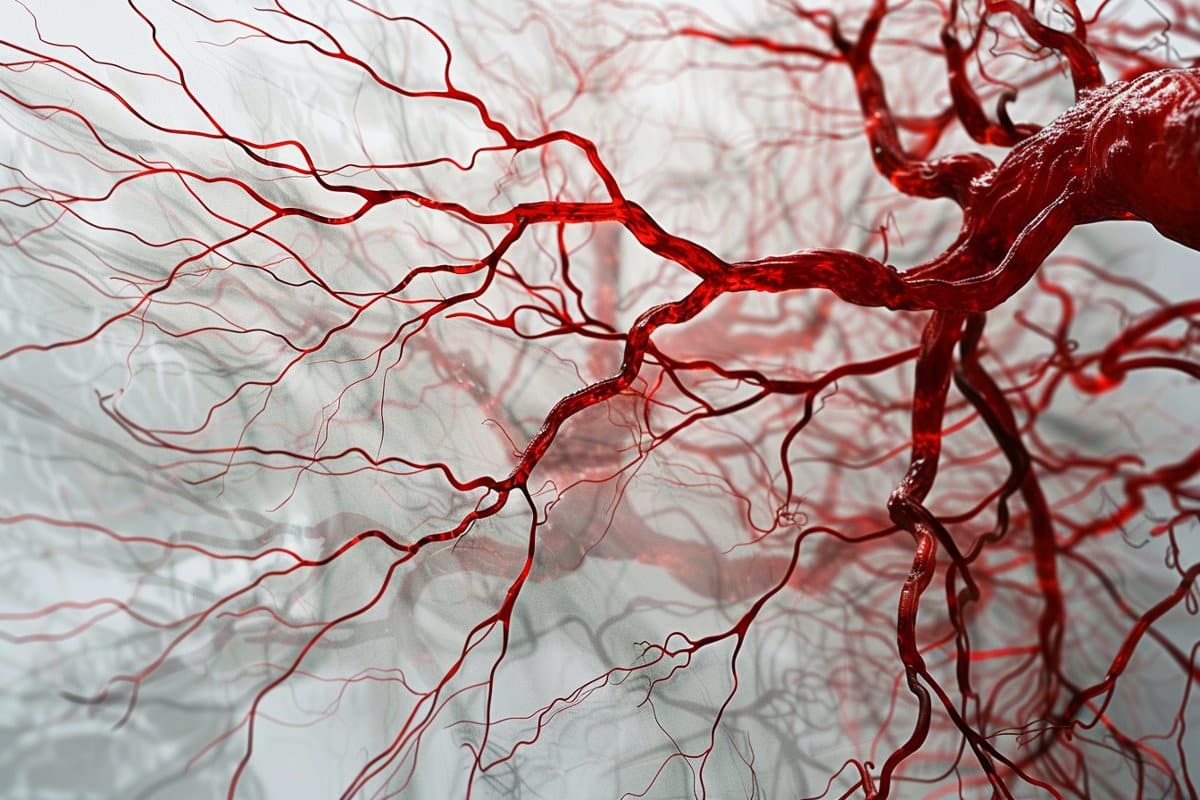
University College London (UCL) has unveiled an innovative hand-held scanner, set to revolutionize the speed and accuracy of disease diagnosis. Successfully tested on patients at University College London Hospitals (UCLH), this cutting-edge device generates detailed 3D images in mere seconds using photoacoustic tomography (PAT). This advanced imaging technique allows clinicians to visualize blood vessels up to 15mm deep in real-time, a remarkable leap from earlier models that required five minutes or more for a scan.
Not only does the new PAT scanner vastly outpace its predecessors—being 100 to 1,000 times faster—but it also maintains exceptional image quality, eliminating motion blur entirely. Early clinical trials involving patients with conditions such as diabetes, breast cancer, and rheumatoid arthritis have highlighted the scanner’s proficiency in detecting subtle yet crucial changes in blood vessels that traditional imaging methods often miss.
Dr. Andrew Plumb, a consultant radiologist at UCLH, emphasized the groundbreaking capabilities of this technology, especially for diagnosing diseases like diabetes, where detecting blood vessel damage is notoriously challenging. In one compelling case, the scanner revealed smooth, uniform blood vessels in a patient’s left foot, while the right foot’s vessels were irregular and squiggly, potentially indicating future tissue damage. This detailed imaging not only aids in early diagnosis but also offers deeper insights into disease progression.
The scanner’s rapid, high-resolution imaging is a boon for clinical use, particularly for frail patients who may struggle with longer procedures. Its potential for aiding diagnoses in various fields, including cancer and cardiovascular diseases, is vast. Currently, further trials are being conducted to validate these promising results and explore additional medical applications.
This innovation stands as a testament to the growing intersection of technology and healthcare, promising to enhance diagnostic precision and treatment outcomes significantly. As research continues, the medical community eagerly anticipates the transformative impact of this remarkable hand-held scanner.