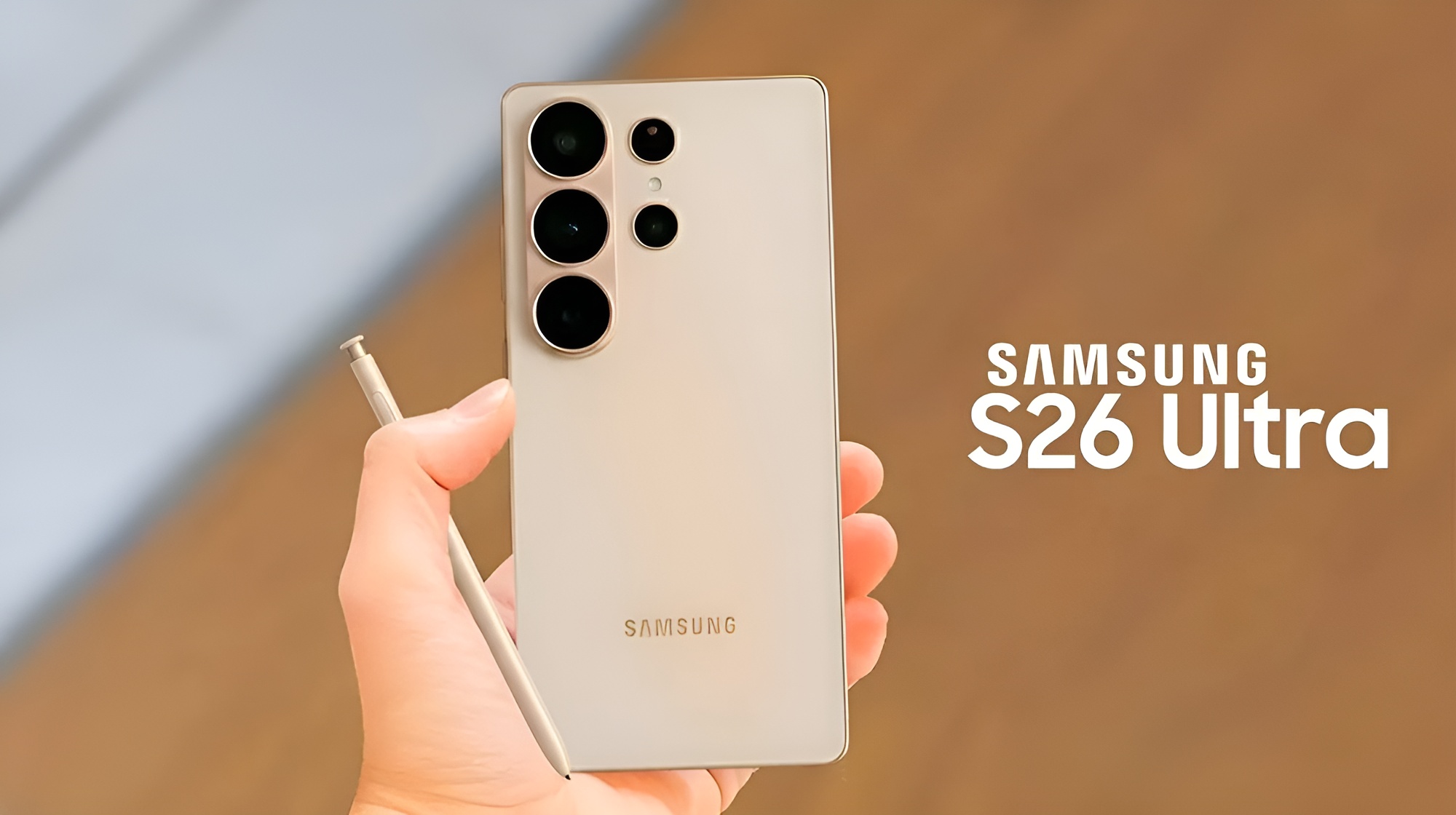
Samsung’s next Galaxy S26 lineup looks poised to deliver more of the same: dependable, polished phones that check the right boxes without lighting any fires. Think safe design tweaks, familiar features, and a heavy emphasis on incremental refinement. If you’ve been hoping for a radical redesign or a breakthrough moment, this probably isn’t the year.
What’s actually changing? A little bit of everything—just not enough to feel new. The standard Galaxy S26 is expected to get a slightly larger display, while the Galaxy S26 Ultra reportedly trims down and smooths out with a thinner profile and more rounded edges. The Ultra’s front camera cutout is said to be noticeably bigger—around 4 mm—widening the field of view for selfies and video calls. Wireless charging is also slated for a meaningful upgrade, finally reaching parity with the speeds iPhone users have enjoyed, and the return of distinct rear camera islands should give the back of the phone a cleaner, more intentional look. All welcome changes, none revolutionary.
Under the hood, the most intriguing story is silicon. Early chatter around the Exynos 2600 suggests a strong showing in initial benchmarks, raising hopes that Samsung’s in-house chip might finally deliver consistent, top-tier performance and efficiency. There’s a catch: the Exynos 2600 is expected to be limited to the base and Plus models, and only in select regions. In other words, the big performance headline may not apply to the most premium model, nor to every market.
So why is Samsung playing it this safe? The answer likely has less to do with what the company can do and more with what it should do, strategically. The smartphone market has plateaued. Upgrade cycles are longer, specs are hitting diminishing returns, and even four-figure flagships aren’t the profit engines they once were due to rising component costs. Meanwhile, the real growth—and the real margins—are in areas like AI compute, HBM memory leadership, advanced process nodes such as 2 nm and 1.4 nm GAA, cutting-edge packaging technologies like X-Cube and I-Cube, and next-generation sensors and memory. A successful foundry node or a dominant HBM generation can generate profits that dwarf what an entire smartphone lineup can produce.
Viewed through that lens, the Galaxy S26 series is a cash-flow vehicle more than a moonshot. It’s meant to be good enough to sell in volume and keep Samsung’s broader ambitions funded—especially in fabs and AI-focused R&D—rather than to serve as the tip of the innovation spear. That doesn’t mean the company can’t take bold swings; the rumored Galaxy Z TriFold exemplifies that willingness to experiment with new form factors. It does suggest, however, that mainstream slab phones will continue to evolve cautiously while the company prioritizes the higher stakes and bigger rewards of semiconductors and AI infrastructure.
If you’re shopping this year, expect the Galaxy S26 family to deliver the core strengths people buy Samsung for: bright displays, solid cameras, steady performance, better wireless charging, and refined ergonomics. Expect the Ultra to feel a touch more comfortable in-hand and the base model to look a bit more expansive. Expect the Exynos 2600 story to dominate tech conversations where it lands, with the usual regional split complicating the narrative. But also expect the design language, feature set, and overall experience to feel familiar—purposefully so.
This is the trade-off of a mature market and a diversified tech giant. When the biggest growth opportunities lie in AI compute and advanced manufacturing rather than in a slightly faster refresh rate or a novel camera ring, the smart business move is to keep the phones competent, consistent, and profitable. Until those incentives change, don’t be surprised if the Galaxy S series continues to favor refinement over reinvention.
Key takeaways for potential buyers:
– Galaxy S26: slightly larger display and steady improvements across the board
– Galaxy S26 Ultra: thinner frame, rounder edges, larger selfie camera cutout, and upgraded wireless charging
– Camera design: return of rear camera islands for a cleaner look
– Performance: promising Exynos 2600 results, but limited to base/Plus models in select regions
– Strategy: incremental phones fund bigger bets in AI, HBM, and advanced process nodes
Bottom line: The Galaxy S26 lineup should be reliable, polished, and easy to recommend—just not exciting. If you want a radical change, watch Samsung’s experimental devices. If you want a phone that simply does everything well, the S26 family will likely hit the mark.


