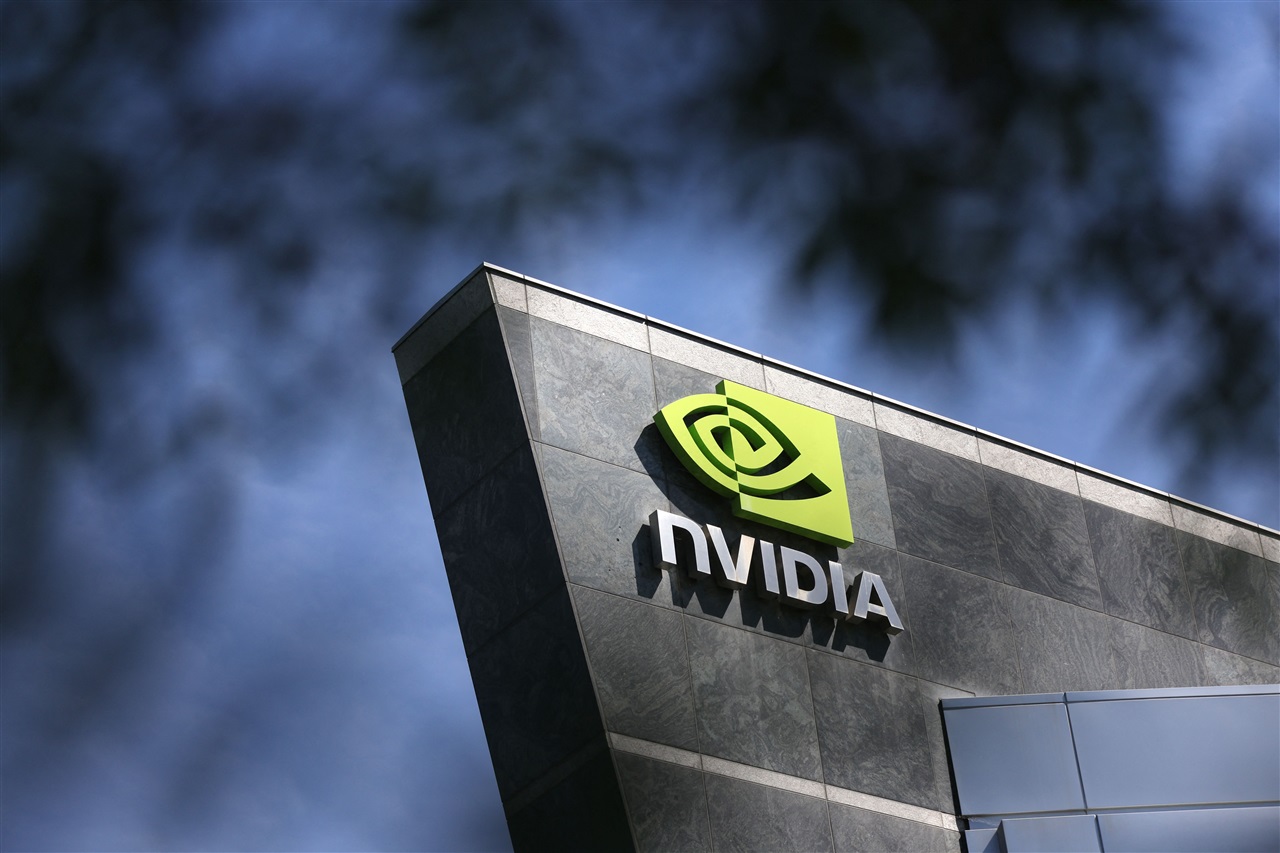
In a bold move in the realm of technology and international trade, President Joe Biden’s administration is making headlines with its decision to impose another round of restrictions on the export of artificial intelligence chips. These measures are particularly focused on companies like Nvidia Corp., a leading edge in AI technology.
This decision is significant as it is slated to be enacted in the final days of Biden’s term, marking a last-minute push to safeguard advanced technological assets. The rationale behind this move is rooted in the objective of limiting foreign access to cutting-edge AI technology that could be used in ways that might not align with U.S. policy interests.
The strategic timing and the targeted nature of these export restrictions reflect a heightened sensitivity towards international security and technological advantage, reinforcing the administration’s commitment to controlling the dissemination of critical AI advancements.
As the global race for AI supremacy intensifies, this step by the United States aims to maintain its competitive edge in the field of advanced technologies, ensuring they don’t fall into the hands of potentially competing powers. By curtailing the export of these sophisticated components, the administration seeks to fortify national security and assert control over the proliferation of game-changing AI capabilities.
The decision underscores the complex interplay between technology and geopolitics, emphasizing how critical components like AI chips play a pivotal role in shaping global technological landscapes. As AI continues to evolve, the policies and strategies surrounding its export and dissemination remain crucial areas for governments worldwide to navigate.
With this latest development, the Biden administration sends a clear message about the enduring importance of protecting national interests through strategic tech policy decisions.