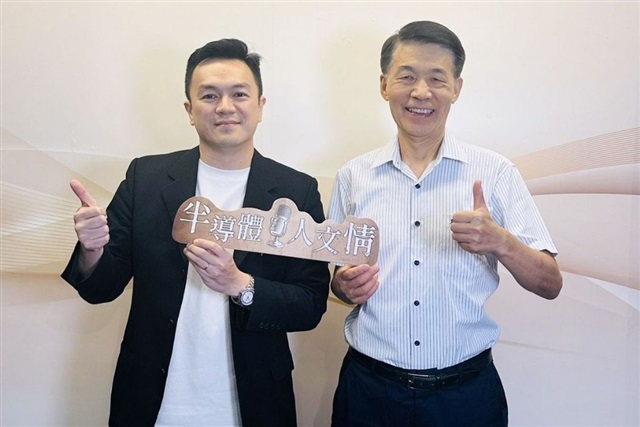
Douglas Yu, a former R&D vice president at TSMC, is shedding fresh light on one of the most important shifts happening in the semiconductor world today: advanced packaging. In his reflections on TSMC’s 3D Fabric platform, Yu explains how the company pushed beyond traditional chip scaling and why this packaging strategy has become central to delivering higher performance, better efficiency, and more flexible chip designs.
TSMC’s 3D Fabric is best understood as a major step forward in how chips are assembled, not just how they’re manufactured. Instead of relying solely on shrinking transistors to boost speed and reduce power, advanced packaging makes it possible to combine multiple chiplets, stack components, and improve interconnects so data can move faster with less energy loss. The result is a practical path to better computing even as classic “smaller is always better” chip scaling becomes harder and more expensive.
Yu also highlighted what many outside the industry don’t see: the early days of adopting new packaging technologies aren’t smooth. Even when the long-term benefits are clear, the first wave comes with significant challenges. New processes require new tooling, new design approaches, and tighter coordination across manufacturing, testing, and customers’ product roadmaps. Reliability targets are stringent, yields must be improved, and any misstep can ripple into cost and schedule risks. In other words, advanced packaging isn’t simply an add-on to chipmaking—it’s a complex transformation that requires patience, investment, and disciplined engineering to mature.
A compelling part of Yu’s perspective is the emphasis on leadership—specifically the influence of TSMC founder Morris Chang. Yu points to Chang’s role in shaping the company culture and setting the direction that allowed ambitious platforms like 3D Fabric to take hold. That kind of leadership matters when the payoff isn’t immediate. It takes conviction to commit to major technology transitions early, while also managing the operational realities of delivering for customers in the here and now.
What this signals for the broader tech landscape is straightforward: advanced packaging is no longer a niche capability. It’s becoming a key differentiator in modern chip performance, especially for high-demand applications such as AI acceleration, high-performance computing, and next-generation mobile and consumer devices. As chipmakers and customers seek better performance per watt and more scalable architectures, 3D packaging platforms like TSMC’s are increasingly positioned as critical building blocks for future products.
By spotlighting both the technical hurdles and the leadership mindset behind 3D Fabric, Douglas Yu’s account offers a rare look at how major semiconductor advances actually happen—through long-term planning, difficult early execution, and a clear vision of where the industry is headed.