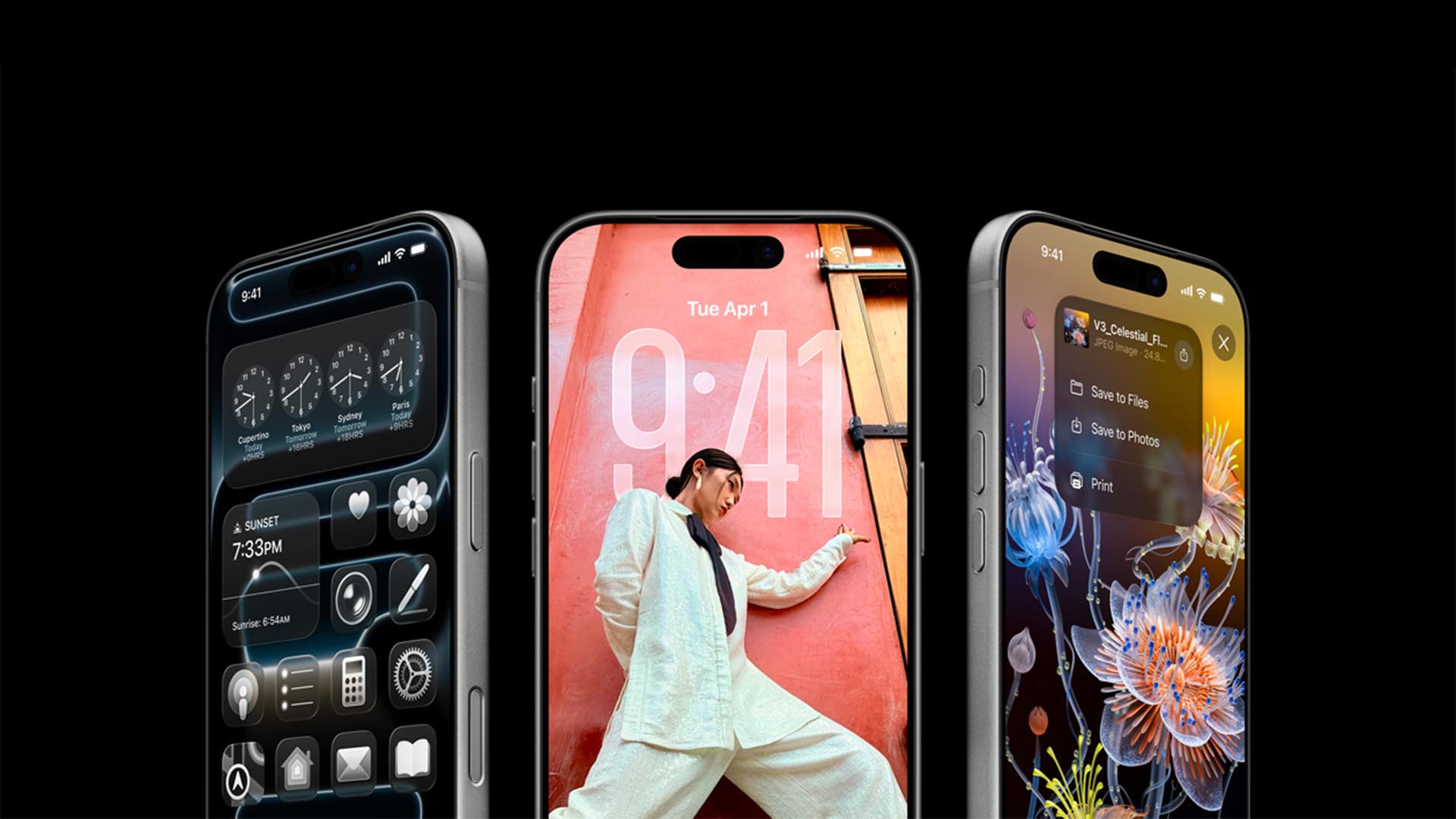
Apple is reportedly exploring High Mobility Oxide (HMO) display technology for future iPhones, a move that could deliver meaningful gains in power efficiency while cutting manufacturing costs. HMO improves electron mobility in oxide thin-film transistors (TFTs), the circuitry that controls each pixel. By speeding up electrical signal processing and reducing resistance, HMO can lower power draw and help displays run cooler, smoother, and potentially brighter without a hit to battery life.
One of the biggest advantages of HMO is how it compares to today’s LTPO OLED approach. The new oxide stack is said to need fewer process steps and less specialized equipment than LTPO, which could trim costs across the supply chain. For Apple, that opens the door to wider rollout of advanced display features—think always-on experiences, higher adaptive refresh rates, and better HDR—without pushing device prices higher.
The catch is timing. Apple’s history with LTPO is a reminder that new panel technologies move from lab to shipping products at a measured pace. The company filed LTPO-related patents in 2014, brought the tech to Apple Watch first, and only later introduced LTPO to iPhone 14 Pro and iPhone 14 Pro Max in 2022. That rough eight-year arc suggests HMO might also take several years to reach iPhones unless development and supplier readiness accelerate.
Suppliers will play a major role. Apple’s adoption of tandem OLED for iPad Pro reportedly required substantial volume commitments before panel makers moved forward. The current report doesn’t name which partners are collaborating on HMO, and Apple’s separate plan to bring tandem OLED to iPhone is not expected before around 2028. If that timeline holds, HMO could arrive after tandem OLED, placing its debut toward the end of the decade or later.
What this could mean for users:
– Better battery life from lower display power consumption
– Smoother performance through faster pixel switching and efficient high refresh rates
– Potential cost benefits that make premium display features more accessible across more iPhone models
– Improved thermal behavior, which can help sustain brightness and performance
Bottom line: HMO looks like a smart next step in Apple’s display roadmap, promising efficiency and cost wins over LTPO. But based on past transitions and ongoing supplier dynamics, it’s a long game. Expect iPhone benefits eventually—just not immediately.
Likelihood rating: Plausible (41–60%) based on early reporting and Apple’s past adoption patterns, with a lengthy development and integration window likely.