Beijing Eswin Computing Technology Moves Closer to Landmark Hong Kong IPO
Beijing Eswin Computing Technology is one step closer to making history in Hong Kong’s capital market. The company has successfully cleared its listing hearing with the Hong Kong Stock Exchange, bringing it nearer to a potential initial public offering that could make it the first publicly listed RISC-V-focused chip company in the market.
The development marks a major milestone for Eswin and for the growing RISC-V semiconductor sector. RISC-V, an open standard instruction set architecture, has been gaining global attention as chipmakers and technology companies look for more flexible, customizable, and cost-efficient alternatives in processor design. As demand rises across artificial intelligence, smart devices, automotive electronics, and industrial computing, companies working in this field are drawing increased interest from investors.
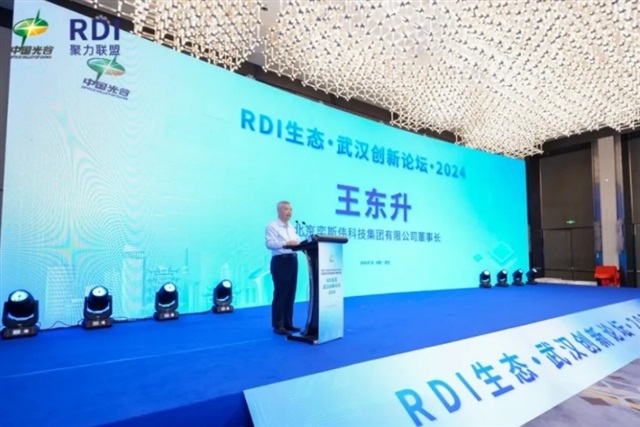
Behind Eswin’s latest IPO push is Wang Dongsheng, the 68-year-old founder of BOE Technology Group. Wang is widely recognized as a key figure in China’s display panel industry, having helped build BOE into one of the world’s leading display manufacturers. Now, with Eswin, he is aiming to establish a stronger presence in the semiconductor industry at a time when chip technology has become central to global competition.
This is Wang’s third attempt to take Eswin public in Hong Kong, making the latest approval an important breakthrough. Passing the listing hearing does not guarantee an immediate debut, but it is a critical step in the IPO process and signals that the company has moved closer to entering the public market.
If successful, Eswin’s Hong Kong IPO could attract attention from investors looking for exposure to China’s semiconductor supply chain and the fast-growing RISC-V ecosystem. The listing would also highlight Hong Kong’s role as a fundraising hub for advanced technology companies, especially as chip design, computing architecture, and domestic semiconductor development continue to gain strategic importance.
Eswin’s progress comes at a time when RISC-V is becoming increasingly relevant in the global chip industry. Unlike traditional proprietary architectures, RISC-V offers an open framework that allows companies to develop processors with greater design freedom. This has made it attractive for startups, research institutions, and established technology firms seeking to reduce dependency on conventional chip platforms.
For Eswin, a successful listing could provide fresh capital to support research and development, expand its product portfolio, and strengthen its position in the competitive semiconductor market. It could also give the company greater visibility as demand grows for chips used in intelligent hardware, edge computing, consumer electronics, and next-generation connected devices.
While the final timing and size of the IPO remain to be seen, Eswin’s progress through the Hong Kong listing process is already being viewed as a significant moment for the RISC-V industry. With Wang Dongsheng once again pursuing a major technology venture, the company’s public market debut could become one of the most closely watched semiconductor listings in Hong Kong.


