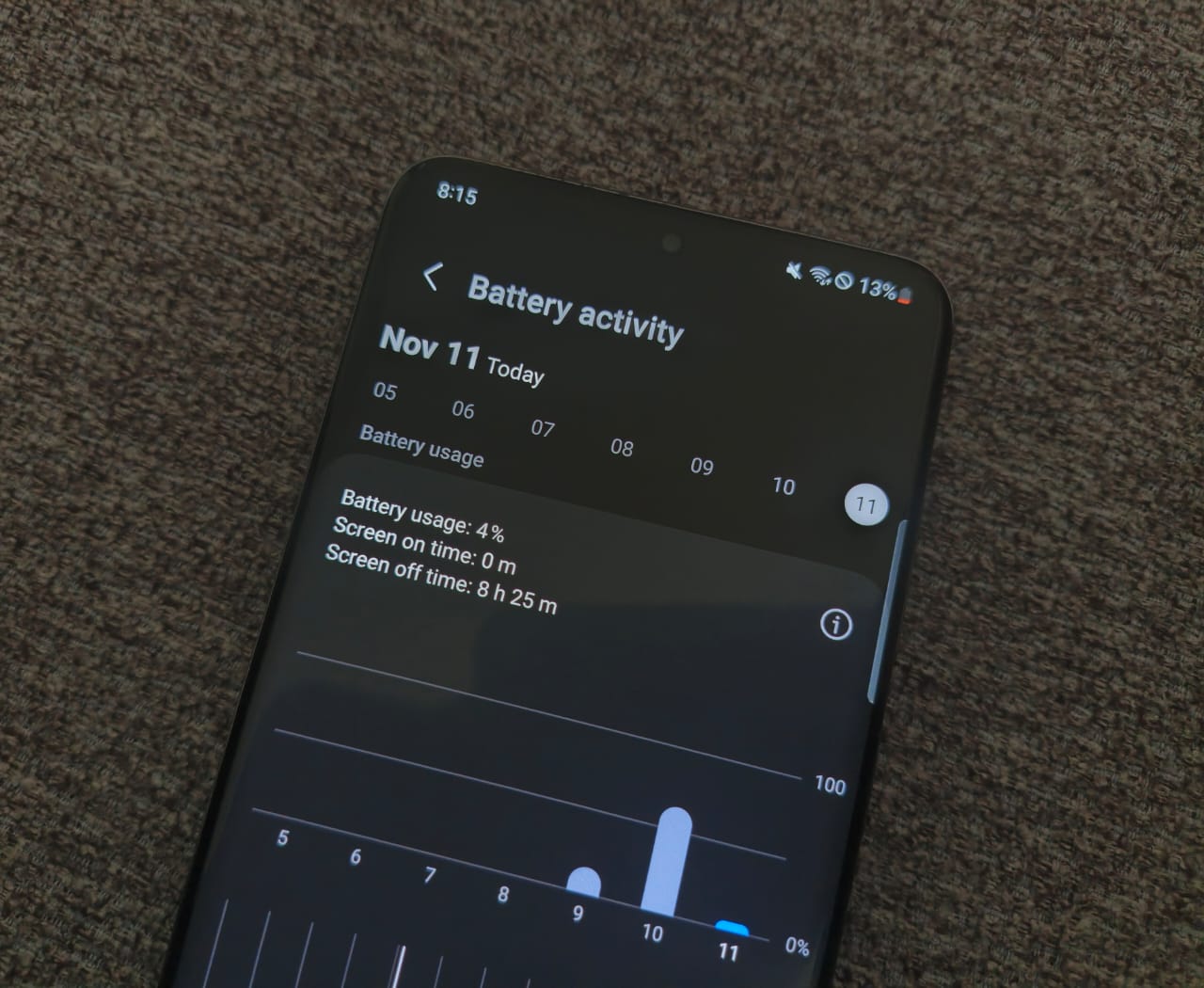
Google is taking aim at one of the biggest battery killers on Android: apps that keep your phone awake when it shouldn’t be. Beginning March 1, 2026, the Play Store will penalize apps that abuse wake locks—background mechanisms that prevent a device from sleeping—and will add clear warning labels to app listings that are likely to drain your battery faster.
Wake locks have legitimate uses, such as keeping music playing or ensuring a file download completes. But when mismanaged, they can keep your processor humming long after the screen turns off, quietly chewing through battery life. The new policy is designed to curb that behavior, encourage more power-efficient design, and give users transparent information about which apps are likely to impact battery performance.
Here’s what’s changing:
– Enforcement date: March 1, 2026.
– What triggers a flag: An Android app that keeps a device awake for more than two hours in a 24-hour period without a valid reason.
– Wearables threshold: An app that consumes more than 4.44 percent of a watch’s battery per hour during active sessions.
– Penalties: Reduced visibility in Play Store recommendations and a visible warning label on the app’s store listing.
These changes expand Google’s existing technical quality metrics, which already consider factors like crash rates and app responsiveness, to include power efficiency as a key performance signal. The company says it developed the new battery metrics in close collaboration with Samsung as part of a broader effort to improve Android’s overall power management.
What this means for users:
– Clearer choices: You’ll start seeing warning labels on apps known to drain battery aggressively, making it easier to avoid problem software.
– Better battery life: As developers optimize to avoid penalties, power efficiency should improve across the apps you use every day.
What this means for developers:
– Battery efficiency is now a ranking factor: Excessive wake locks can hurt your app’s visibility and reputation.
– Optimization is essential: Audit wake-lock usage, limit unnecessary background activity, and closely monitor battery impact using Play Console diagnostics and on-device testing.
– Wearables matter too: Apps targeting watches should be especially careful during active sessions to stay within the 4.44 percent per hour guideline.
Why it matters:
– Transparency and trust: The Play Store will surface clear signals about battery behavior, helping users pick smarter, longer-lasting apps.
– Healthier app ecosystem: By tying visibility to power efficiency, Google is nudging developers toward best practices that benefit everyone.
With enforcement starting March 1, 2026, there’s time for developers to adjust—and a strong incentive to do so. For users, the result should be fewer silent battery drains and more control over how apps affect day-to-day battery life.