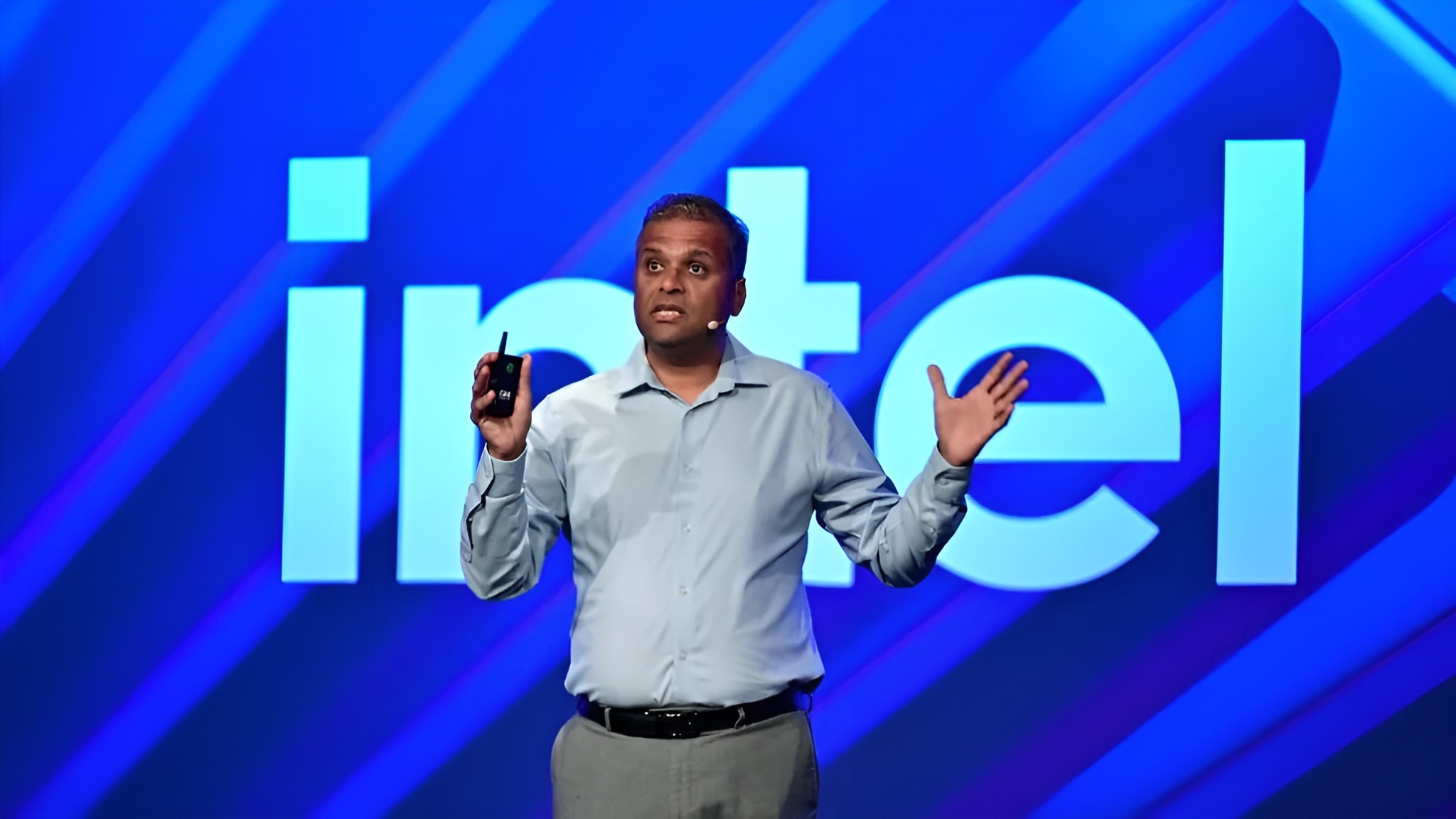
Intel’s chief technologist and head of AI, Sachin Katti, has exited the company and joined OpenAI, injecting fresh momentum into the AI lab’s push toward AGI while leaving his former employer at a delicate moment. Katti will lead efforts to design and build the compute infrastructure that powers OpenAI’s next generation of models, a move that underscores the industry’s escalating race to scale AI capacity.
The timing is striking. Intel has been deep in restructuring since CEO Lip-Bu Tan took the helm, and Katti was a central figure in the company’s planned AI resurgence. He was recently the public face of Intel’s AI roadmap at the Intel Tech Tour, outlining how the company aimed to reassert itself in a market increasingly defined by both training and inference at massive scale. In his departure message, Katti expressed excitement about building infrastructure for AGI and thanked Intel for the past four years overseeing networking, edge computing, and AI.
Reports indicate the AI chief role will now report directly to CEO Lip-Bu Tan. That shift raises pressing questions about Intel’s strategy execution, given how much of its near-term AI narrative had been tied to Katti’s plans. Under his leadership, Intel showcased its inference-focused Crescent Island platform, featuring 160 GB of memory and an emphasis on energy-efficient performance. Whether the company maintains that trajectory under new leadership remains to be seen.
Intel’s AI strategy has struggled to gain traction during the rapid rise of generative AI. Under former CEO Pat Gelsinger, the company prioritized the inference market even as training dominated headlines. Now that inference demand is exploding across data centers and at the edge, the company still lacks a breakthrough, widely adopted solution. Intel says it’s committed to an annual product cadence, with Jaguar Shores up next, but leadership churn across multiple divisions has dampened internal momentum and market confidence.
In the near term, Intel’s focus appears to be on driving shareholder value, bolstered by strategic partnerships with NVIDIA, SoftBank, and the Trump administration. Yet in both consumer and AI segments, the company continues to trail rivals who are moving faster with mature software stacks, proven accelerators, and tightly integrated ecosystems.
Katti’s move to OpenAI highlights where the center of gravity in AI is heading: toward massive, bespoke compute infrastructure designed specifically for scaling frontier models. For Intel, the path forward will hinge on clear execution of its AI roadmap, timely delivery of platforms like Crescent Island and Jaguar Shores, and a credible plan to compete in the surging inference market. Investors, developers, and enterprise customers will be watching closely for concrete milestones and a steady hand at the helm of Intel’s AI strategy.