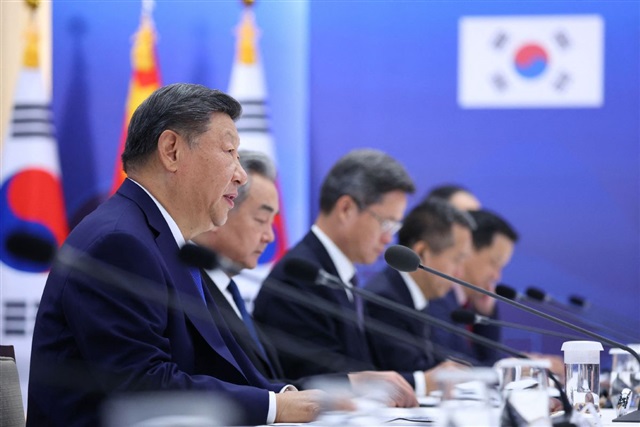
Chinese President Xi Jinping has called for the creation of a global artificial intelligence cooperation organization, using the stage of the Asia-Pacific Economic Cooperation Leaders’ Summit in Gyeongju, South Korea, to press for coordinated international action. Framing AI as a transformative force that transcends borders, he emphasized the importance of global collaboration to guide development, manage risks, and ensure the technology benefits economies and societies worldwide.
The proposal underscores a growing recognition that AI’s impact is not confined to any single country or sector. As algorithms, models, and data flows increasingly cross national boundaries, fragmented approaches can slow innovation and increase risk. A global cooperation organization could provide a neutral platform for governments, industry, and research communities to align on standards, share best practices, and advance responsible AI.
Such a body could help set baseline safety measures and ethical guidelines for AI systems, fostering interoperability and trust. It could promote transparency in model evaluation, encourage secure data practices, and support mechanisms that reduce bias and improve reliability. Common frameworks would give businesses clearer rules of the road, reduce compliance complexity across markets, and accelerate the deployment of trustworthy AI products and services.
The Asia-Pacific region is a natural focal point for this conversation. Home to some of the world’s most dynamic digital economies, it also encompasses diverse regulatory landscapes and development needs. Coordinated AI governance could help bridge gaps between different policy approaches, support knowledge sharing, and create pathways for inclusive growth—ensuring small and medium-sized enterprises, startups, and emerging economies can participate in and benefit from the AI boom.
A global AI cooperation organization could prioritize several practical areas. These include shared safety benchmarks and auditing methods, guidelines for data governance and privacy protection, best practices for critical infrastructure and cybersecurity, and frameworks for cross-border research and talent exchange. It could also encourage initiatives that expand access to computing resources and skills training, helping to close capability gaps and reduce concentration risk.
The stakes are high. Without collaboration, the world risks a patchwork of rules that slow innovation, raise costs, and leave vulnerabilities unaddressed. With coordination, AI development can proceed in a way that is safer, more transparent, and more inclusive—supporting economic growth while protecting consumers, workers, and communities.
For businesses and developers, a globally aligned approach offers predictability and confidence. Clear standards can accelerate product cycles, streamline market entry, and elevate trust among customers and partners. For policymakers, a shared forum can speed learning, reduce duplication, and help align national interests with broader societal goals.
By calling for a global organization dedicated to AI cooperation, the message from Gyeongju is straightforward: the world needs common ground to navigate the opportunities and challenges of artificial intelligence. The next phase will depend on whether economies can translate that vision into action—building the structures, standards, and partnerships needed to guide AI toward safe, responsible, and widely shared progress.