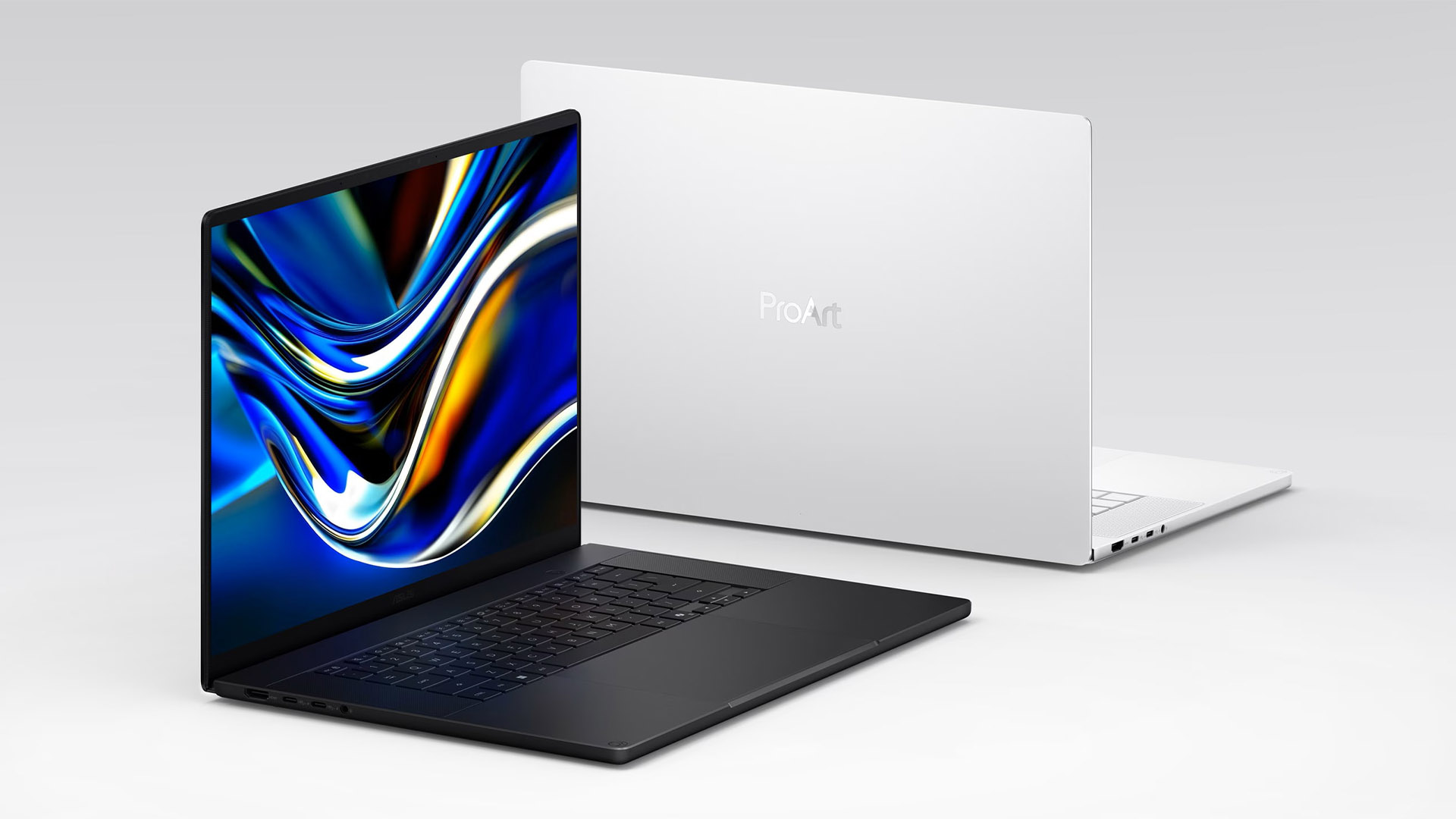
NVIDIA RTX Spark-powered ASUS ProArt P14 and ProArt P16 laptops may use liquid metal cooling, but skip vapor chamber design
NVIDIA’s RTX Spark platform is expected to arrive next month, and it could play a major role in a new wave of premium laptops built for demanding AI workloads. These notebooks are being designed to handle tasks such as running dense AI models, accelerating creative workflows, and delivering workstation-class performance in portable form factors.
Among the first systems expected to feature RTX Spark hardware are ASUS’ upcoming ProArt P14 and ProArt P16 laptops. These machines appear to target creators, developers, and professionals who need serious performance without moving to a bulky gaming laptop or mobile workstation. However, keeping that level of hardware cool inside a slim chassis is never simple, and new details suggest ASUS is taking an interesting approach.
The ProArt P14 and ProArt P16 are expected to use liquid metal as the thermal interface material for the RTX Spark chipset. ASUS has used liquid metal in several high-end laptops before, especially in performance-focused gaming models, so the company is not new to this cooling method. Liquid metal can transfer heat more effectively than traditional thermal paste, which can help lower temperatures and maintain stronger sustained performance.
That advantage matters for RTX Spark laptops. If these machines are built to run AI models and other heavy workloads, thermal performance will be critical. AI processing can keep the chip under load for long periods, and a weak cooling system may lead to thermal throttling, lower clock speeds, louder fans, and reduced overall performance.
Still, liquid metal comes with its own risks. Unlike standard thermal paste, liquid metal is electrically conductive. If it leaks outside the intended area and touches nearby components, it can cause a short circuit and potentially damage the laptop. To reduce that risk, ASUS appears to be using a protective sponge-like barrier around the cooling area. This barrier is likely designed to keep the liquid metal contained even when the laptop is moved around.
That detail is especially important for portable devices. A desktop or console often stays in one place, but a laptop is constantly opened, closed, tilted, packed into bags, and carried around. Over time, that movement could increase the chance of liquid metal shifting away from the chip if the containment system is not reliable. ASUS seems aware of the challenge, but long-term durability will be something buyers will want to watch closely.
One of the more surprising details is that the ProArt P14 and ProArt P16 are not expected to use a vapor chamber cooling solution. Vapor chambers are commonly found in many high-performance thin laptops because they can spread heat across a larger surface area more evenly than traditional heatpipes. That usually makes them a strong choice for slim notebooks with powerful hardware.
Instead, ASUS appears to be using a more traditional heatpipe-based cooler. The reason may be related to the physical design of the RTX Spark chip itself. The larger die area could make it harder for a vapor chamber to apply perfectly even mounting pressure across the chipset. If pressure is uneven, contact between the cooler and the chip may not be ideal, reducing cooling efficiency. In that case, a carefully designed heatpipe system could be the more reliable option.
This design decision shows how complicated modern laptop cooling has become. It is not always as simple as choosing the most expensive or most advanced cooling component. The size of the chip, the shape of the motherboard, chassis thickness, mounting pressure, airflow path, and fan design all play a role. For the ASUS ProArt P14 and ProArt P16, liquid metal combined with heatpipes may offer the best balance between performance, size, and contact consistency.
The smaller ASUS ProArt P14 is also expected to offer 24GB of LPDDR5X unified memory in its base configuration. That amount of memory could be useful for AI workflows, creative applications, and multitasking. However, due to the compact chassis, the P14 is expected to include space for only one PCIe NVMe Gen 4 SSD. Users who need large local storage for video editing, datasets, or 3D projects may need to choose a higher-capacity SSD from the start.
The ProArt P16, with its larger body, may have more room for cooling and internal expansion, though full specifications have not yet been confirmed. Given the ProArt branding, both laptops are likely to focus on color-accurate displays, premium build quality, and features aimed at creators and professionals rather than gamers alone.
One question still remains: why not use a safer thermal material such as PTM7950? This phase-change material is known for strong heat-transfer performance and does not carry the same electrical risk as liquid metal. It has become a popular option among enthusiasts and manufacturers looking for long-term thermal stability without the danger of leaks. ASUS may have chosen liquid metal because it can deliver slightly better peak thermal performance, but the trade-off is higher complexity and greater need for careful engineering.
There have been previous cases where liquid metal applications in laptops caused concerns over time, especially when combined with materials that may react poorly under heat and pressure. Corrosion, surface wear, or degradation of the cooling contact area can become serious issues if the design is not properly controlled. Hopefully, ASUS has refined its process for these RTX Spark-powered ProArt laptops, especially since these devices are expected to carry premium prices.
If the cooling system performs well, the ASUS ProArt P14 and ProArt P16 could become compelling options for creators and AI-focused users who want portable performance. The combination of NVIDIA RTX Spark hardware, LPDDR5X memory, fast NVMe storage, and advanced thermal design could make these laptops attractive for machine learning experiments, content creation, rendering, and productivity workloads.
For now, the biggest points to watch are thermals, sustained performance, fan noise, and long-term reliability. Liquid metal can be excellent when applied correctly, but in a thin laptop that will be carried daily, durability matters just as much as benchmark results.
With RTX Spark laptops expected soon, ASUS may be preparing to push its ProArt lineup into a new class of AI-ready portable workstations. If the company can keep temperatures under control while avoiding the risks associated with liquid metal, the ProArt P14 and ProArt P16 could stand out as some of the most interesting premium creator laptops of the year.