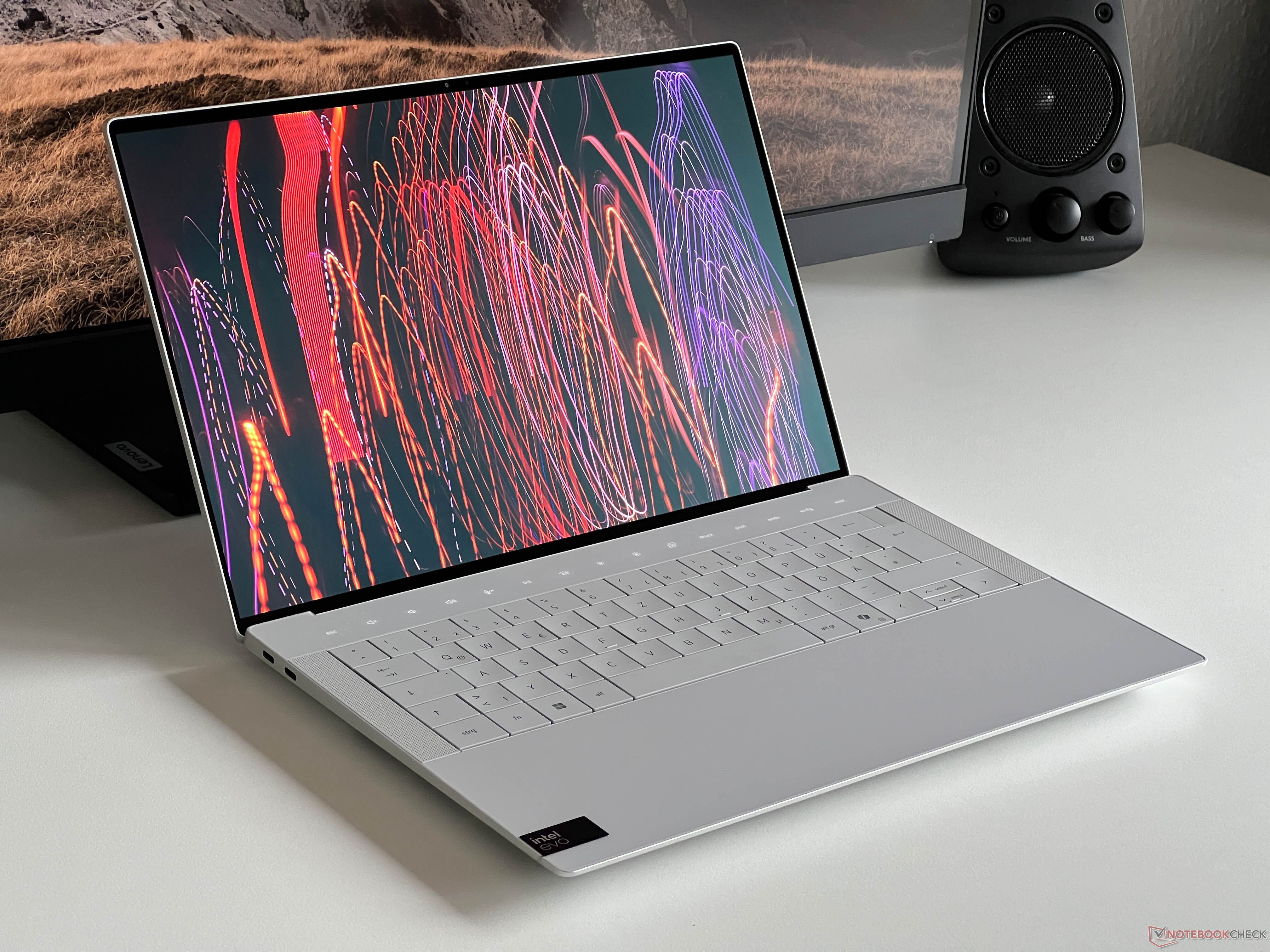
The introduction of Dell’s XPS 14 9440 brings a new player into the realm of multimedia laptops, but not without raising eyebrows due to its hefty price tag and underwhelming performance. As a newer addition to the XPS range, this laptop had potential but seems to have faltered with an imbalance of style over substance.
The discontinuation of the XPS 15 has left Dell’s lineup with the XPS 13, as well as this newly minted XPS 14 and its larger sibling, the XPS 16. In taking a closer look at the upper echelon XPS 14 9440 model, complete with a high-resolution OLED touchscreen and an Nvidia GeForce RTX 4050 Laptop GPU, questions emerge regarding the intended demographic for this device. The design is no doubt polished, with a high-quality aluminum casing mimicking the sleek aesthetics of the XPS 13 Plus. However, practicality seems compromised as the keyboard and touchpad, despite their modern look, do not offer the ergonomics expected from such a premium device.
The frameless touchpad may be one successful design feature, yet in terms of portability, the XPS 14 9440 is found wanting. It is noticeably thicker and heavier than many of its competitors. More concerning is Dell’s decision to throttle component performance, especially that of the graphics card. The RTX 4050 Laptop GPU struggles to achieve its lower thermal design power limit of 35 watts, topping out at 30 watts even on the most aggressive energy settings. This significant underutilization marks it as the least potent variant reviewed.
On the display front, the 3.2K OLED panel boasts a 120-Hz refresh rate and touch capability, delivering impressive visual quality. Nevertheless, an underlying raster effect is detectable in lighter content, an issue absent in the latest OLED offerings from companies like Samsung, which suggests there’s room for improvement in display technology.
While the screen profiles for P3 and sRGB color gamuts are remarkably accurate, the appreciated visual finesse comes at the cost of battery life, with the device only achieving average runtimes due to the OLED’s power consumption.
When contemplating the purchase of the XPS 14 9440, one must consider the trade-offs. The price point does not align with the performance handicaps and design compromises one has to endure. If we look at alternatives, notable options such as the Asus ROG Zephyrus G14—sporting faster components like the Ryzen 9 8945HS and RTX 4070 Laptop GPU—and coming in at a lighter and thinner form factor, present a more compelling value proposition.
In comparing the base variant of the XPS 14, which houses an Arc iGPU, we find the same verdict applies. Even with the possibility of outfitting the XPS 14 with 64 GB of RAM, the reasons to opt for this device over its competitors are dwindling, particularly when more robust and cost-effective alternatives are readily available.
Would-be purchasers and tech enthusiasts are encouraged to take a granular look at any analysis, to uncover performance benchmarks and glean insights into optimizing their use of these multimedia devices, particularly when it comes to extracting the best visual experience from the high-end panels such devices are equipped with.
The ever-evolving landscape of portable computing continues to foster a competitive market, so staying informed is key to making the most prudent investments in your tech arsenal. As the saying goes, knowledge is power, and that’s never been truer than when evaluating the high stakes of high-end hardware.