The AMD AM5 motherboard platform has been making waves in the tech world since its introduction two years ago. Originally launched alongside the 600-series motherboards, it quickly gained traction with the release of the Ryzen 7000, 8000, and 9000 series CPUs. While the 600-series motherboards have kept enthusiasts happy with great features and compatibility with the Zen 5 processors, AMD continues to push the envelope with the unveiling of the 800-series chipset line.
The latest additions to the AMD 800-series family, the B850E and B850 motherboards, are designed with mainstream PC builders in mind. These new releases promise to entice a wide range of users—from enthusiastic newcomers to seasoned AM4 users—by offering cutting-edge designs and fresh features that cater to both gaming and content creation demands.
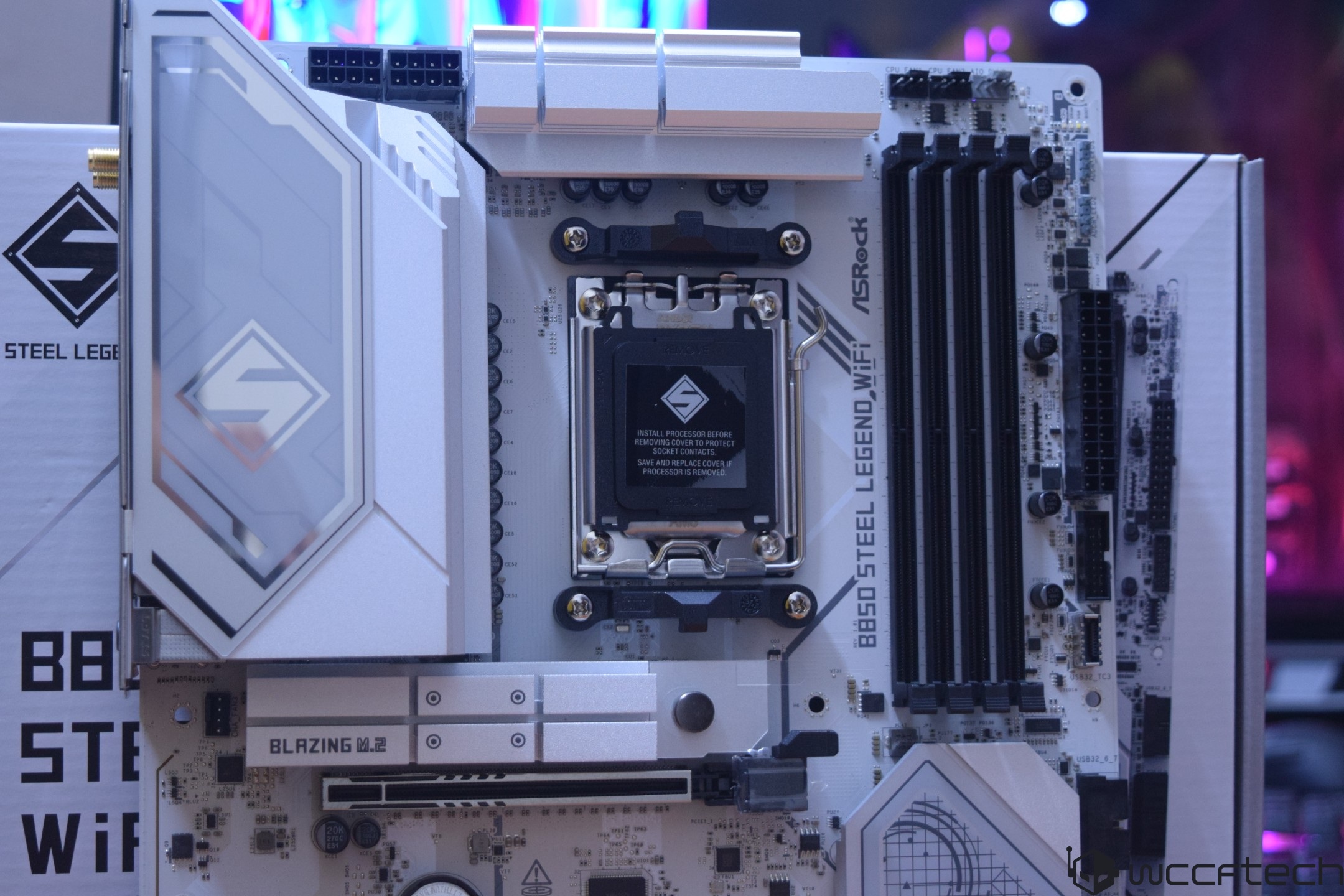
Among the newly released motherboards, ASRock’s lineup stands out with four impressive offerings: the B850 RIPTIDE WIFI, the B850I Lightning WIFI, the B850 Steel Legend WIFI, and the B850 Live Mixer WIFI. These boards are primed to deliver stellar performance on the AMD AM5 platform.
The AM4 platform, which has been a staple since 2017, remains robust even in 2024. Recently, AMD introduced new chips to this beloved platform, signaling that AM4 will be part of the tech landscape for the foreseeable future. Now, as AMD rolls out the second generation of the AM5 platform with the 800-series family, more budget-conscious options like the B850E and B850 are finally reaching the masses.
One of the key features of the AMD B850 chipset is its versatility in offering both Gen5 and Gen4 capabilities. Gen5 is primarily geared toward NVMe storage devices, while Gen4 supports graphics. Importantly, motherboard manufacturers have the option to allocate Gen5 lanes to discrete graphics cards if desired. Additionally, these AM5 motherboards incorporate USB 3.2 (20 Gbps) support, unlike their high-end siblings with USB4 capabilities. Graphics can be managed in x16 (Gen4) or x8 (Gen5 or Gen4) configurations, with B850 motherboards supporting memory and CPU overclocking. This positions them squarely against Intel’s B760 offerings, which typically fall within the $100-$200 range.
The transition from the old AM4 socket to the new AM5 socket is marked by a significant design change—from a PGA (Pin-Grid-Array) to an LGA (Land-Grid-Array) layout. The LGA 1718 socket introduces more pin connections to the CPU, fostering enhanced communication with the motherboard and unlocking new platform features. AMD commits to supporting the AM5 socket through 2027 and beyond, ensuring longevity and continued innovation.
For current users, cooler compatibility remains a non-issue. The new Ryzen 7000, 8000, and 9000 Desktop CPUs maintain the familiar square shape (45x45mm) and feature an integrated heat spreader that facilitates efficient thermal management. This means that existing cooling solutions are fully compatible with the latest AMD releases, offering users seamless upgrades without the need for additional investments in cooling hardware.
With the 800-series lineup, AMD seems poised to capture the imagination of gamers, content creators, and tech enthusiasts alike, setting the stage for dynamic and powerful builds on the AM5 platform.


