AMD is extending its RDNA 3 lineup once again, slotting a new Radeon RX 7700 neatly between the RX 7600 XT and RX 7700 XT. Alongside the GPU’s debut, official support lands in the latest Adrenalin Edition 25.9.2 driver, so day-one compatibility and fixes are covered.
Built on the Navi 32 architecture, the Radeon RX 7700 trims the compute hardware while dialing up memory specs. You get 40 Compute Units and 2,560 Stream Processors versus 54 CUs on the RX 7700 XT, but memory gets a notable boost: 16 GB of GDDR6 across a 256-bit bus at 19.5 Gbps. That’s faster and roomier than the RX 7700 XT’s 18 Gbps and smaller VRAM pool, though raw performance still favors the XT thanks to its higher CU count.
AMD positions the RX 7700 as a strong 1440p option, citing 60+ FPS on ultra settings in titles like Call of Duty: Black Ops 2, Hogwarts Legacy, Resident Evil 4, and Spider-Man 2. Power consumption is listed at 263W TBP, which is 18W higher than the RX 7700 XT. Expect PCIe 4.0 x16 connectivity and the familiar RDNA 3 feature set.
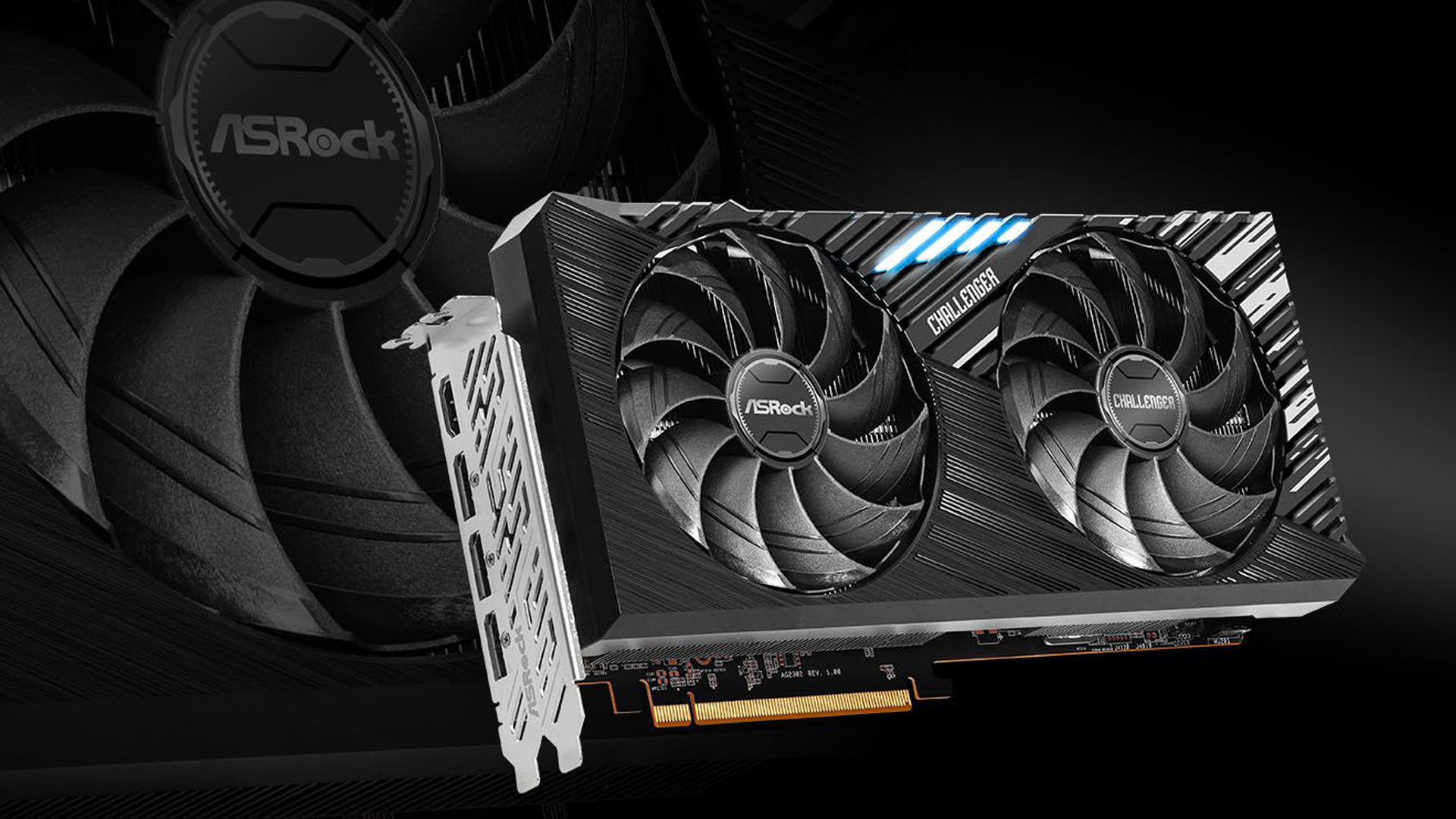
ASRock is first out of the gate with a custom card: the Radeon RX 7700 Challenger 16 GB. This model carries a 2041 MHz game clock and up to 2459 MHz boost clock, a dual-slot, dual-fan cooler, and two 8-pin power connectors. At 267 mm long, it mirrors the reference footprint, and since it’s not marketed as an overclocked edition, those clocks likely align closely with reference specifications.
To ensure a smooth rollout, AMD’s Adrenalin Edition 25.9.2 driver adds official RX 7700 support, delivers several bug fixes, and includes new game optimizations such as support for Dying Light: The Beast. If you plan to pick up the card, updating to this driver should be your first step.
Where the RX 7700 fits in the lineup is clear: it bridges the gap between mainstream and upper‑midrange RDNA 3 GPUs. Compared with the RX 7700 XT, you’re trading some raw compute performance for larger, faster memory and potentially better value—especially useful for 1440p gaming with high-resolution textures and demanding settings. The RX 7600 XT remains a budget-friendly 1080p/entry‑level 1440p choice, while the RX 7800 XT and above cater to higher frame rates and more future-proofed performance.
Key specs at a glance
– Architecture: RDNA 3, Navi 32
– Compute Units/Stream Processors: 40 CUs / 2,560 SP
– Memory: 16 GB GDDR6, 256-bit, 19.5 Gbps
– Infinity Cache: 40 MB
– Game/Boost Clocks: ASRock Challenger lists 2041 MHz / up to 2459 MHz
– Bandwidth: Up to 624 GB/s (claimed configuration)
– TBP: 263W
– Interface: PCIe 4.0 x16
– Form factor (ASRock Challenger): Dual-slot, dual-fan, 267 mm, 2x 8-pin power
Availability will vary by region and board partner, and while both the RX 7600 XT and RX 7700 XT remain widely available, they’re often priced above launch levels. Expect the RX 7700 to be an appealing alternative for 1440p players who want 16 GB of VRAM without stepping up to higher-tier cards.
Bottom line: the Radeon RX 7700 targets sweet-spot 1440p gaming with generous memory, sensible thermals for its class, and driver support from day one. Pair it with the latest Adrenalin Edition 25.9.2 and you’re set for a smooth start.