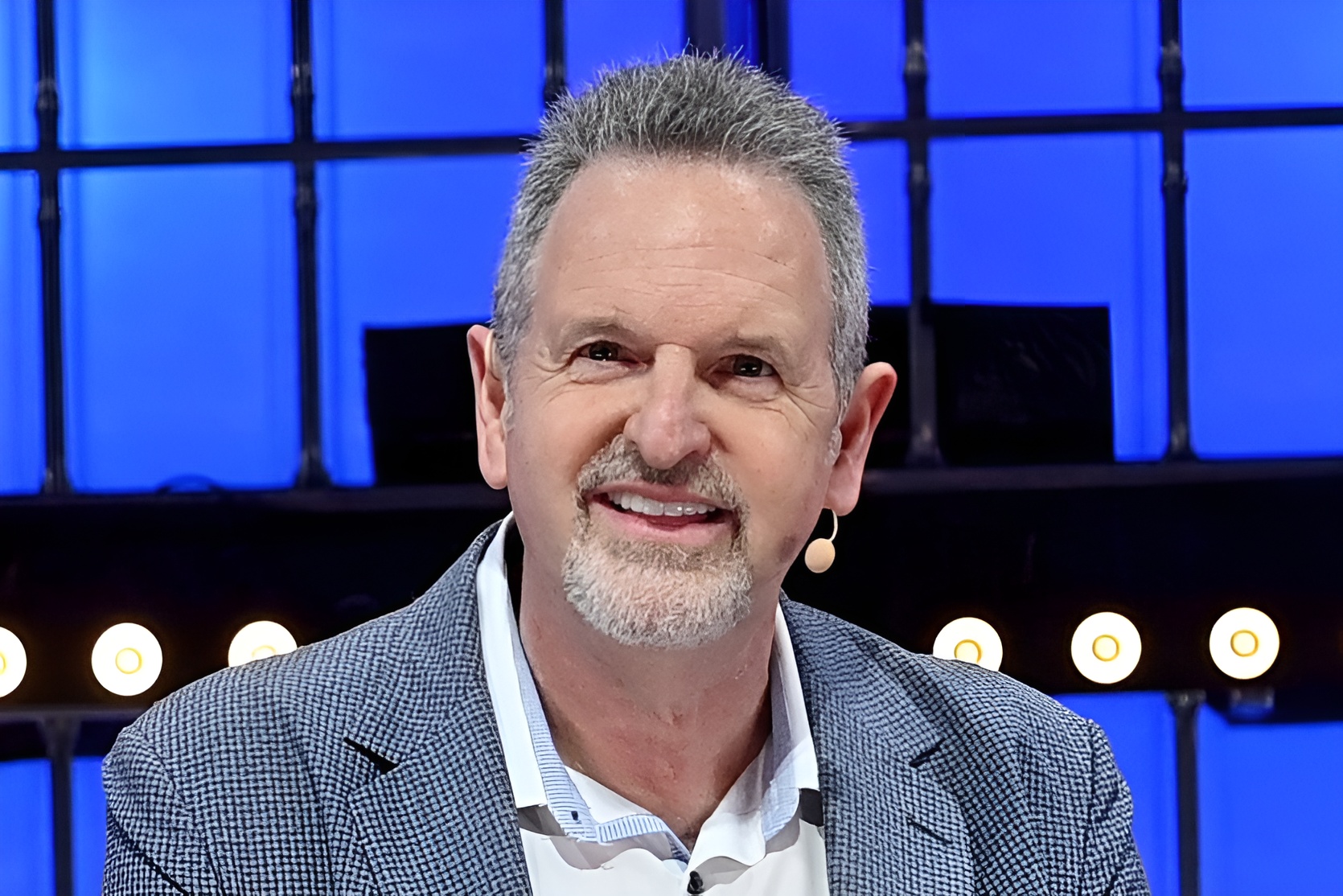
ARM’s chief executive, Rene Haas, has weighed in on one of the semiconductor industry’s hottest questions: can Intel realistically stand in for TSMC if geopolitical or supply chain shocks disrupt the world’s leading foundry? His take is blunt. Intel missed pivotal moments—from mobile to advanced manufacturing tools—and the penalties for falling behind in chips are steep and long-lasting.
The renewed debate over Intel as an alternative to TSMC has intensified amid high-profile public and private investments, including support from the Trump administration and moves by major tech players like NVIDIA. The strategic motive is clear: build more resilient, domestic chip production capacity so the U.S. isn’t overly reliant on a single overseas hub. But according to Haas, catching up in semiconductors is not a matter of simple spending. It takes years to plan and build fabs, years to define architectures, and years more to cultivate robust software and tooling ecosystems. Miss a few cycles and the industry’s relentless cadence can leave you stranded.
Haas points to Intel’s biggest stumble: mobile. In the mid-2000s, Intel had a chance to power early smartphones but focused instead on traditional PC processors. Its Atom line never met the performance-per-watt needs of flagship mobile devices, and the company famously passed on supplying chips for the first iPhone. That decision ceded a generation-defining market and the ecosystem lock-in that came with it. Once competitors advanced on power efficiency and integration, regaining parity became far harder.
Manufacturing decisions compounded the problem. Haas says Intel lagged in adopting extreme ultraviolet lithography, the EUV technology required to print the tiniest features on leading-edge chips. By moving earlier and betting big on EUV, TSMC structured its most advanced nodes around the toolchain the entire industry now depends on. The result is a reinforcing loop: the most demanding customers—Apple, NVIDIA, AMD—gravitate to the most advanced process, which brings the highest volumes, the best learning curves, and the fastest time-to-yield. That momentum is difficult to disrupt.
This is why the question “Can Intel replace TSMC?” oversimplifies the challenge. Foundry competitiveness is not just about transistor density or a single breakthrough. It’s about aligning tools, process technology, design libraries, packaging, EDA software, and a deep pool of specialized engineering talent—all delivered on predictable roadmaps. When you slip in one area, it affects everything else. When you slip in several, the gap widens quickly.
Haas also highlighted a cultural factor often overlooked in policy discussions: how societies value advanced manufacturing careers. In Taiwan, joining a top-tier foundry is prestigious. In the West, manufacturing is too often mislabeled as strictly blue-collar, discouraging a generation from pursuing the highly technical roles that modern fabs require. Elevating the status of manufacturing, expanding specialized education, and creating clear career pathways are just as vital as subsidies and tax credits.
None of this means Intel is out of the race. The company has embarked on an aggressive multi-year roadmap, with products like Meteor Lake signaling a push toward modular design and advanced packaging. It is also investing heavily in foundry services, courting external customers and building out capacity in the United States and Europe. But Haas’s message is a reality check: to truly rival TSMC at the leading edge, Intel must execute flawlessly across process technologies, ecosystem partnerships, and talent development—sustained over multiple product cycles.
The broader takeaway for U.S. chip strategy is equally clear. Building resilient domestic manufacturing is a generational project that spans suppliers, equipment makers, design houses, universities, and government agencies. It’s not a single-company problem and it won’t be solved in a single budget cycle. Success will require long-term policy consistency, world-class workforce development, and the kind of ecosystem coordination that has historically been TSMC’s greatest strength.
In short, the path to a credible alternative to TSMC is possible but steep. Intel has the scale, capital, and ambition to try, yet the semiconductor clock is unforgiving. As Haas underscores, in this industry, time lost is advantage granted—and catching up demands more than investment. It takes synchronized execution across the entire chipmaking stack, sustained over years.